 English
 中文 (中国)
 Español
February 19, 2026
The Million-Dollar Medal: Alysa Liu’s Olympic Journey
May 13, 2026
Timing Is More Important Than Power
Many gymnasts believe stronger legs or higher jumps automatically create better tumbling passes. While power is important, timing is often the real factor that separates clean tumbling from inconsistent performance.
In gymnastics, even small timing mistakes can completely change the quality of a skill. A gymnast may be strong enough to complete a tumbling pass, but if the hurdle, punch, block, or landing timing is slightly off, the movement can lose height, rotation, and control.
Good timing allows energy to transfer smoothly through the entire body. Instead of forcing movements, experienced gymnasts create efficiency through rhythm and coordination.
Tumbling skills happen extremely fast. During flips and twisting elements, fractions of a second can change body position in the air.
For example, if a gymnast opens too early during a salto, the rotation may slow down too soon. If they twist too late, the landing can become unstable. Even the timing of arm swings and takeoff angles affects how much power transfers into the skill.
This is why coaches spend so much time correcting rhythm, approach speed, and body coordination instead of focusing only on strength.
Many gymnasts lose confidence after mistakes because the skill suddenly feels unpredictable. Often, the problem is not lack of ability, but inconsistent timing.
When timing becomes reliable, the body begins to trust the movement more naturally. Skills feel smoother, lighter, and more controlled. This is especially important during difficult tumbling passes where hesitation can interrupt technique.
Gymnasts with strong timing often appear calm because their movements follow a consistent rhythm under pressure.
Top gymnasts are usually not only stronger — they are more precise with timing.
Top-level tumbling usually looks effortless because elite gymnasts develop exceptional rhythm between each movement.
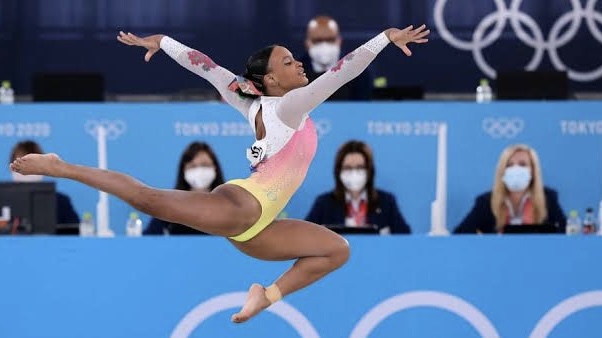
For example, Rebeca Andrade is widely recognized for her smooth and controlled tumbling on floor exercise. One reason her passes stand out is the precise timing between her run, hurdle, block, and twisting phases. Her movements rarely look rushed, which helps her maintain strong height and clean landings even during extremely difficult skills.
Another important detail in Andrade’s performances is how relaxed her rhythm appears before takeoff. Instead of forcing speed too early, she builds momentum gradually and transfers power at exactly the right moment. This efficient timing helps create both power and elegance simultaneously, making her tumbling appear lighter and more stable under pressure.
Tumbling is closely connected to rhythm. The run, hurdle, roundoff, back handspring, and salto must all connect with correct timing to create maximum efficiency.
When one part becomes rushed or delayed, the entire tumbling pass may feel heavier and harder to control. Gymnasts sometimes try to fix this by using more force, but excessive tension often makes timing worse.
Many coaches therefore focus on drills that improve rhythm, reaction speed, and body awareness instead of simply repeating full skills.
Developing timing takes patience because the body must learn how movements connect together automatically.
Video analysis, trampoline drills, slow-motion practice, and rhythm exercises are commonly used to improve tumbling timing. Listening to movement patterns and understanding when each action happens can help gymnasts become more consistent.
Over time, correct timing reduces unnecessary effort and allows difficult skills to feel more natural.
Competition pressure can affect timing significantly. Nervous gymnasts often rush their run, shorten their hurdle, or tense their shoulders before takeoff.
This is why many athletes perform skills perfectly in training but struggle during competition. Under stress, rhythm changes slightly — and in gymnastics, small timing differences can have major consequences.
Experienced gymnasts train consistency so deeply that correct timing remains stable even when adrenaline and pressure increase.
Achieve More With VSA: Boost your skills with world-class coaches for just $29/hour. Personalized programs 24/7, 365 days a year, anywhere in the world.
By Vitalina Andrushchenko, Staff Writer
February 19, 2026
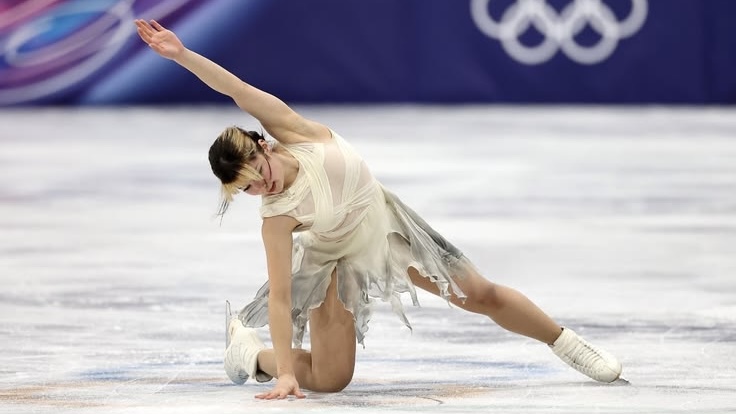
The Million-Dollar Medal: Alysa Liu’s Olympic Journey

December 25, 2025
Nancy Kerrigan’s $10 Million Legacy: Success Beyond the Ice
January 08, 2026
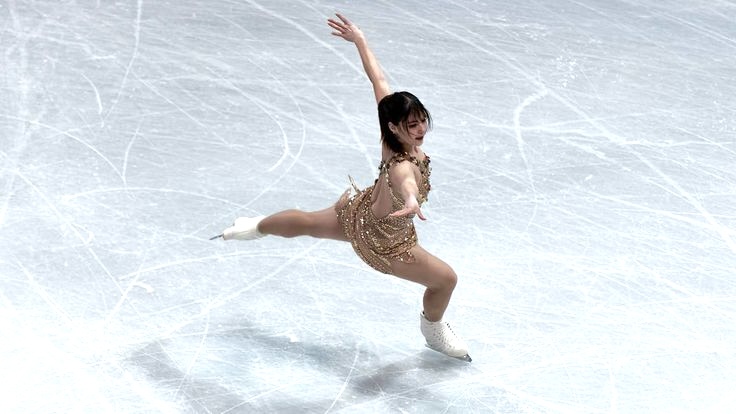
2026 U.S. Skating Nationals Results
Competition highlights, industry trends, expert opinions, and stories from athletes and artists worldwide — delivered straight to your inbox