 English
 中文 (中国)
 Español
February 19, 2026
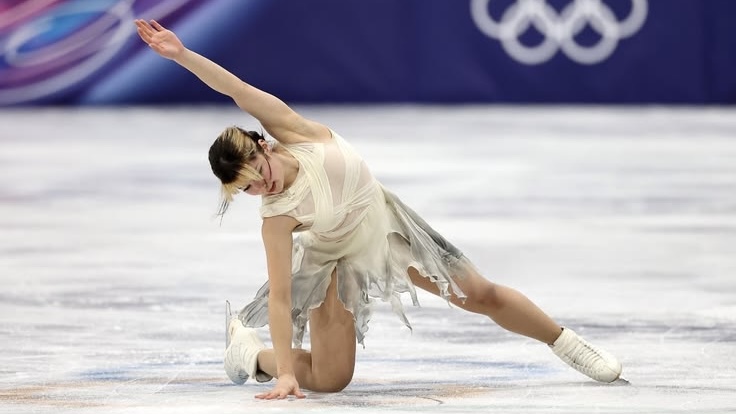
The Million-Dollar Medal: Alysa Liu’s Olympic Journey
May 14, 2026

Many young actors focus heavily on memorizing lines, facial expressions, or camera angles. However, one of the biggest differences between average and outstanding performances is reaction speed inside a scene.
Strong actors respond naturally and emotionally in the moment instead of waiting for their turn to speak. Fast reactions make scenes feel alive, realistic, and emotionally connected. Audiences often believe performances more when actors appear to truly listen and respond spontaneously.
In film and television, authentic reactions can sometimes become even more memorable than the dialogue itself.
When actors overthink every movement or line, reactions often become delayed and artificial. Instead of responding emotionally, the actor mentally searches for the “correct” performance.
This small hesitation can make scenes feel rehearsed rather than natural. In emotional scenes especially, delayed reactions often reduce realism and weaken the connection between characters.
Directors usually look for actors who stay emotionally present and adaptable during conversations instead of performing every moment mechanically.
One of the fastest ways to improve scene reactions is learning how to truly listen.
Many actors accidentally focus more on preparing their next line than understanding what the other character is saying. Real listening creates more natural emotional responses because the brain reacts automatically instead of planning every expression.
For example, Zendaya is often praised for her highly reactive acting style in emotional scenes. Her performances feel realistic partly because her facial expressions and body language shift naturally in response to other actors. Even during quiet moments, she appears fully connected to the conversation instead of simply waiting to deliver lines.
Another important detail in Zendaya’s performances is how quickly her emotional energy changes inside scenes. Small reactions in her eyes, pauses, or posture often communicate emotion before dialogue even begins. This creates performances that feel spontaneous and emotionally believable.
Actors sometimes try too hard to control exactly how a scene should look. While preparation is important, overplanning can slow emotional reactions significantly.
Instead of forcing specific emotions, many professional actors focus on understanding the character’s objective and staying mentally open during the scene. This allows reactions to happen more naturally.
Unexpected moments often create the strongest performances because they feel real rather than perfectly calculated.
Improvisation exercises are widely used to help actors respond faster under pressure.
Games, partner exercises, and unscripted scenes train the brain to stay flexible and emotionally available. Over time, actors become more comfortable reacting instinctively without freezing or overanalyzing.
Improvisation also helps reduce fear of mistakes, which is one of the biggest reasons reactions become slow and stiff during auditions or filming.
Physical tension can make acting reactions feel delayed and unnatural.
When actors feel nervous, their shoulders, jaw, and breathing often tighten. This affects emotional flow and reduces spontaneity during scenes. Relaxed movement and controlled breathing help the body react more freely and quickly.
Many experienced actors warm up physically before filming because emotional responsiveness is closely connected to physical relaxation.
Audiences rarely remember only perfectly delivered lines. They usually remember emotional moments that felt genuine.
Fast, natural reactions create chemistry between actors and make scenes feel unpredictable and alive. Even subtle expressions or silent reactions can completely change the emotional impact of a performance.
In many cases, reacting truthfully is what transforms acting from “performing” into believable storytelling.
Achieve More With VSA: Boost your skills with world-class coaches for just $29/hour. Personalized programs 24/7, 365 days a year, anywhere in the world.
By Vitalina Andrushchenko, Staff Writer
February 19, 2026
The Million-Dollar Medal: Alysa Liu’s Olympic Journey

December 25, 2025
Nancy Kerrigan’s $10 Million Legacy: Success Beyond the Ice
January 08, 2026
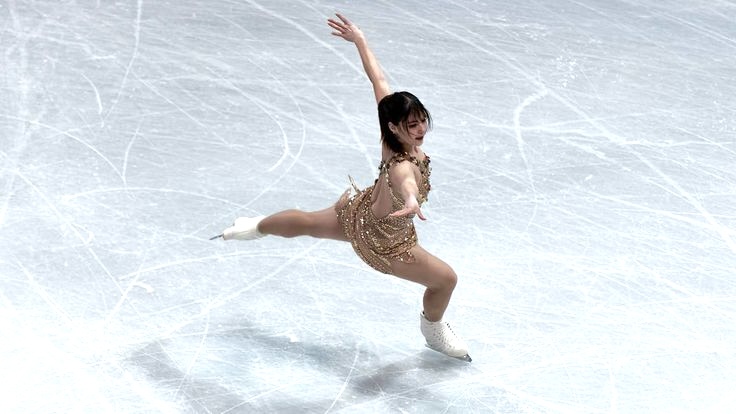
2026 U.S. Skating Nationals Results
Competition highlights, industry trends, expert opinions, and stories from athletes and artists worldwide — delivered straight to your inbox