 English
 中文 (中国)
 Español
February 19, 2026
The Million-Dollar Medal: Alysa Liu’s Olympic Journey
May 26, 2026
For many athletes, summer is the most important period for technical improvement.
During competition season, skaters and gymnasts usually focus on consistency, performance quality, and preparing routines under pressure. There is often little time to completely rebuild jumping mechanics because competitions continue constantly.
Summer training creates a different environment. Athletes can slow down, repeat corrections carefully, and focus on rebuilding movement patterns without the immediate stress of upcoming events.
This is why many coaches prefer making major jump adjustments during the off-season rather than during active competition months.
One reason jump technique becomes difficult to fix later is because incorrect movement patterns slowly become automatic.
Athletes may continue landing jumps successfully while still using inefficient timing, poor air position, unstable takeoff edges, or incorrect body alignment. Over time, these habits become deeply connected to muscle memory.
Changing them during competition season is risky because temporary inconsistency often appears while the body learns new mechanics.
Summer allows athletes to tolerate this adjustment period more safely.
Many people assume improvement only comes from repetition. In reality, quality of repetition matters far more than quantity.
During summer, coaches often break jumps into smaller sections — entrance, takeoff, air position, landing control, and timing. Athletes may repeat simplified drills many times before performing full difficult elements again.
This slower technical approach helps the nervous system rebuild cleaner movement patterns more effectively than simply repeating full jumps under pressure.
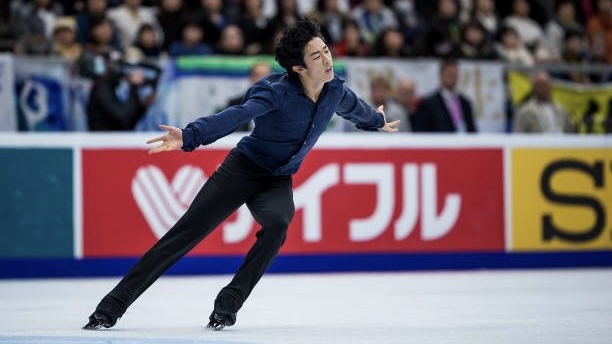
For example, Nathan Chen became known for consistently refining and adjusting technical details throughout his career rather than relying only on natural talent. One reason elite skaters maintain long-term success is their willingness to continuously analyze jump efficiency, landing control, and body mechanics even after winning major titles.
Top-level skaters rarely stop working on fundamentals. Even small corrections in timing, posture, edge quality, or axis control can significantly affect jump consistency and injury prevention over time.
One reason elite athletes remain successful for many years is because they continue adjusting technique instead of assuming their skills are “finished.” High-level performers often spend off-seasons correcting very small details that audiences may barely notice but that strongly affect consistency and injury prevention.
Competition season often creates psychological pressure that makes technical correction harder.
Athletes become focused on avoiding mistakes rather than experimenting with new movement patterns. Even small technical changes can temporarily reduce consistency, which feels stressful before important events.
Summer training usually provides more emotional freedom. Athletes can fall, restart, and repeat corrections without worrying about immediate scores or rankings.
This often creates a healthier learning environment for major technical adjustments.
Jump quality is not only about skill — it is also heavily connected to physical condition.
Summer training often includes strengthening hips, ankles, core muscles, and explosive power. Better physical preparation allows athletes to support cleaner takeoffs and more stable landings.
Many technical problems actually improve once the body becomes physically strong enough to maintain correct alignment consistently.
Modern athletes now use video analysis constantly during summer technical training.
Slow-motion replay allows coaches and athletes to study details that are impossible to fully notice in real time. Timing errors, shoulder rotation, edge instability, or air position problems become much easier to identify visually.
This type of analysis helps athletes make more precise corrections instead of relying only on physical feeling.
One difficult part of correcting jump technique is that new mechanics initially feel uncomfortable.
Athletes sometimes believe they are performing worse because jumps suddenly feel unfamiliar or unstable. However, this temporary discomfort is often part of rebuilding cleaner long-term movement patterns.
Experienced coaches usually remind athletes that short-term inconsistency during summer can later create far stronger competitive consistency.
Many successful athletes use summer not only to learn harder elements, but to improve the quality of basic technique.
Better timing, cleaner alignment, stronger edges, controlled landings, and efficient mechanics usually create more reliable performance over time.
In high-level sports, long-term consistency often matters more than temporary short-term results. That is why summer remains one of the most valuable periods for technical development.
Achieve More With VSA: Boost your skills with world-class coaches for just $29/hour. Personalized programs 24/7, 365 days a year, anywhere in the world.
By Vitalina Andrushchenko, Staff Writer
February 19, 2026
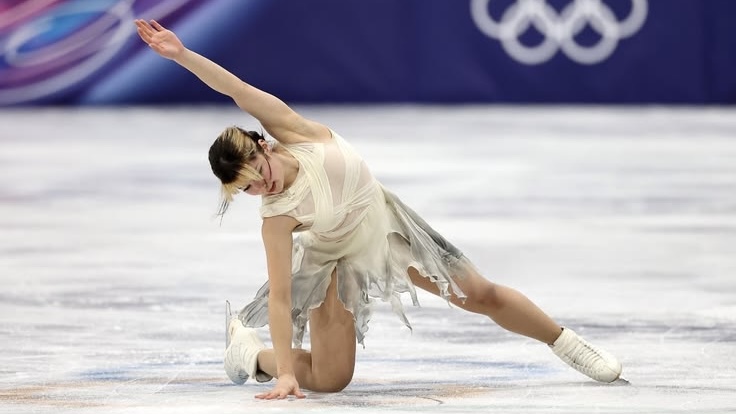
The Million-Dollar Medal: Alysa Liu’s Olympic Journey

December 25, 2025
Nancy Kerrigan’s $10 Million Legacy: Success Beyond the Ice
January 08, 2026
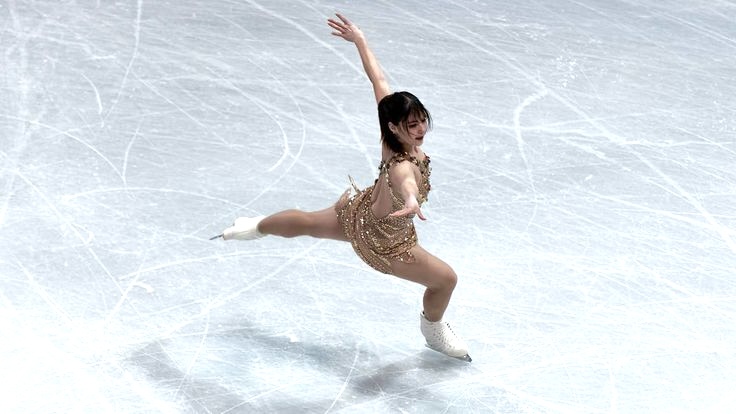
2026 U.S. Skating Nationals Results
Competition highlights, industry trends, expert opinions, and stories from athletes and artists worldwide — delivered straight to your inbox