 English
 中文 (中国)
 Español
February 19, 2026
The Million-Dollar Medal: Alysa Liu’s Olympic Journey
June 09, 2026
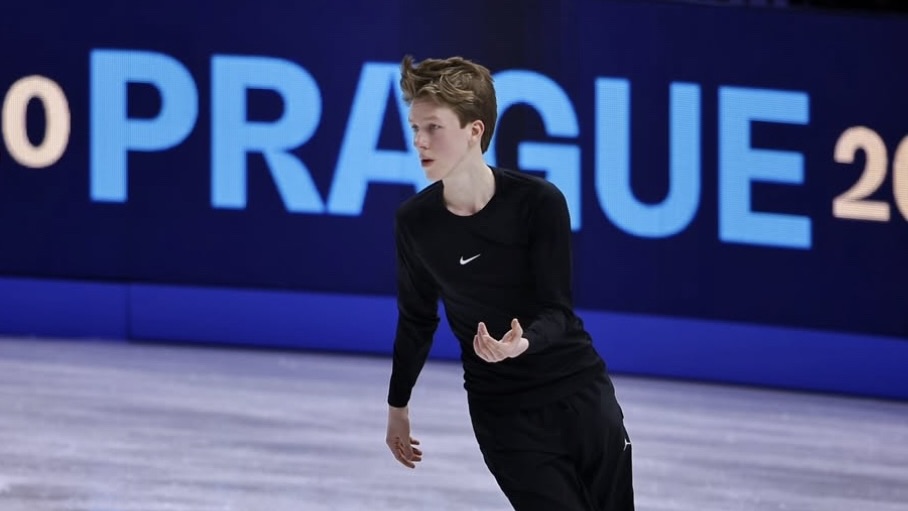
The transition from junior to senior competition is one of the biggest challenges in figure skating. For many athletes, it is the moment when talent alone is no longer enough. Success requires consistency, maturity, stronger technical content, and the ability to perform under increasing pressure.
For German figure skater Genrikh Gartung, the 2026–27 season marks exactly that transition. After winning his first German senior national title and gaining valuable experience at major international championships, the 18-year-old is now fully focused on establishing himself among the sport’s top senior athletes.
Last season was unlike any other for Gartung.
He competed in both junior and senior events, collecting two bronze medals on the ISU Junior Grand Prix circuit while also making his senior championship debut at both the European and World Championships.
Balancing two competitive levels created challenges.
Gartung admitted that the constant switch between junior and senior events made the season feel chaotic at times. Despite strong results, he felt there was room for improvement, especially after mistakes at the World Junior Championships affected his overall placement.
However, those experiences provided something even more valuable than medals: knowledge.
One of the biggest lessons Gartung learned came from competing at major senior championships for the first time.
Many young skaters imagine European Championships and World Championships as intimidating events. After experiencing them firsthand, Gartung discovered that preparation and confidence matter more than fear.
Understanding the atmosphere of elite competitions can significantly change how an athlete approaches future events.
Instead of worrying about unknown challenges, skaters can focus their energy on performance.
According to his coaches, one of the most noticeable changes has been Gartung’s personal growth.
As athletes mature, development often happens away from the scoreboard.
His coaching team observed increased confidence, greater independence, and a willingness to explore new ideas. They noted that he has become more open, expressive, and comfortable stepping outside his comfort zone.
These qualities can be just as important as technical skills in modern figure skating.
Perhaps the most interesting part of Gartung’s preparation for the upcoming season is the creation of two completely different programs.
His free skate is set to “Enjoy the Silence” by the legendary band Depeche Mode.
Working with former German Olympic ice dancer Joti Polizoakis introduced Gartung to a different side of skating.
For years, he primarily enjoyed the technical side of the sport, particularly jumps. Recently, however, he has started to appreciate movement, interpretation, and performance quality.
This shift reflects an important stage in many elite skaters’ careers. The strongest senior competitors are rarely defined by jumps alone.
For his short program, Gartung wanted something completely different.
Together with renowned choreographer Nikolai Morozov, he created a program inspired by the iconic Pulp Fictionsoundtrack.
The choice reflects his desire to show a more playful and energetic side of his personality.
Modern figure skating increasingly rewards individuality, and memorable programs often help athletes stand out in crowded senior fields.
While many young skaters focus solely on adding more quadruple jumps, Gartung is taking a different approach.
He already successfully performs both the quadruple Lutz and quadruple Flip in competition and continues training additional quads.
However, his current priority is not simply increasing difficulty.
Instead, he wants cleaner performances, stronger presentation, and more consistent execution.
This strategy reflects a growing understanding of how international competitions are judged. Technical content matters, but performance quality often separates finalists from medal contenders.
Many promising junior skaters struggle during the transition to seniors because they focus only on technical difficulty.
Gartung’s recent comments suggest a more balanced perspective.
Rather than obsessing over placements, he emphasizes skating confidently, performing clean programs, and enjoying the experience.
This mindset may help him navigate one of the most challenging stages of a skating career.
The upcoming season could be an important breakthrough year.
Gartung is expected to compete at the German test skates, the Nebelhorn Trophy, and potentially several Challenger Series events. His team is also hoping to secure Grand Prix assignments, which would provide valuable opportunities against stronger international fields.
His goal is simple but ambitious: continue improving and establish himself among Europe’s leading senior men.
At only 18 years old, Gartung already combines strong technical ability with growing artistic potential.
His willingness to embrace new choreography, develop his presentation skills, and learn from difficult experiences suggests that he is building a foundation for long-term success.
The move to full-time senior competition is never easy, but it is often where future stars begin to define their careers.
For Genrikh Gartung, that journey is only just beginning.
Source: article By Tatjana Flade on goldenskate.com, published May 31, 2026.
Achieve More With VSA: Boost your skills with world-class coaches for just $29/hour. Personalized programs 24/7, 365 days a year, anywhere in the world.
By Vitalina Andrushchenko, Staff Writer
February 19, 2026
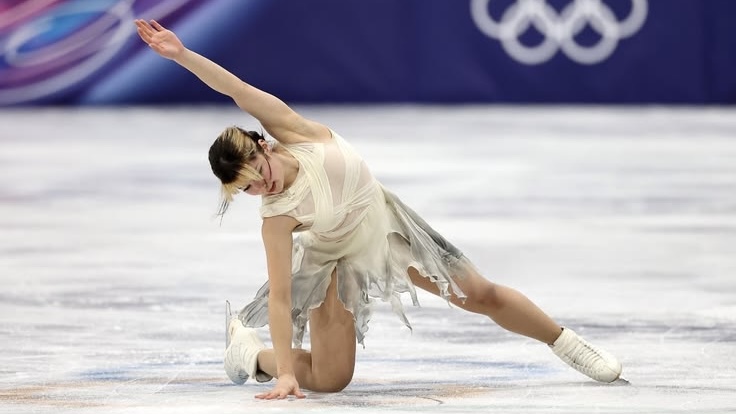
The Million-Dollar Medal: Alysa Liu’s Olympic Journey

December 25, 2025
Nancy Kerrigan’s $10 Million Legacy: Success Beyond the Ice
January 08, 2026
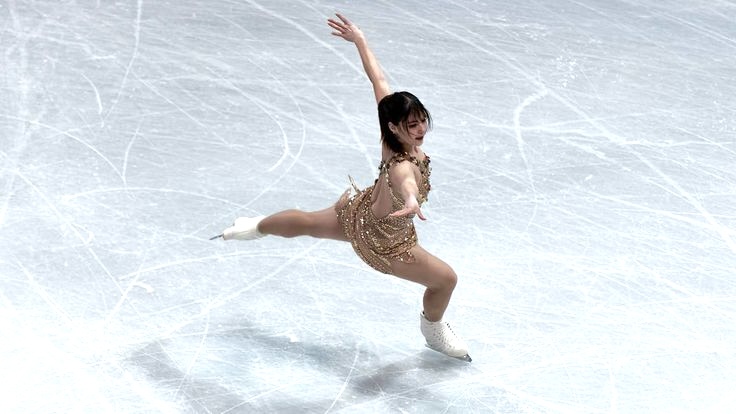
2026 U.S. Skating Nationals Results
Competition highlights, industry trends, expert opinions, and stories from athletes and artists worldwide — delivered straight to your inbox