
 English
 中文 (中国)
 Español
February 19, 2026
The Million-Dollar Medal: Alysa Liu’s Olympic Journey
July 30, 2026

Some of the most memorable performances in film and television come from emotionally demanding roles. Characters experiencing grief, trauma, fear, anger, or intense joy often leave the strongest impression on audiences. However, convincing performances are not created by simply “feeling more.” Professional actors prepare these roles using research, technique, emotional awareness, and careful recovery after filming.
Learning how to approach emotionally challenging scenes safely and effectively is an important part of long-term acting success.
(Source: American Psychological Association (APA), The Actors Centre UK, Royal Academy of Dramatic Art (RADA))
One of the biggest mistakes young actors make is trying to experience the same emotions as their character before understanding who that character is.
Instead, begin by asking questions such as:
What happened before this scene?
What does my character want?
What is stopping them?
What has changed emotionally since the previous scene?
Understanding the character’s objective creates truthful emotion naturally instead of forcing dramatic reactions.
Professional actors often create detailed backstories, even for information that never appears in the script.
Consider the character’s childhood, relationships, fears, happiest memories, personal values, and greatest regrets. These details influence body language, speech patterns, reactions, and decision-making.
The richer the inner life, the more believable the performance becomes.
Viola Davis is widely recognized for portraying emotionally complex characters with remarkable honesty. Throughout interviews and masterclasses, she has explained that emotional scenes begin with understanding the character’s truth rather than searching for tears.
Whether performing in Fences, The Woman King, or How to Get Away with Murder, Davis carefully analyzes every scene by identifying the character’s needs, fears, and emotional obstacles. Her performances demonstrate that authenticity comes from fully committing to the circumstances of the story rather than attempting to “look emotional.”
Many acting teachers highlight her work as an excellent example of emotional preparation built on script analysis instead of emotional imitation.
Emotions affect the body.
Before emotionally demanding scenes, many actors prepare through breathing exercises, posture work, vocal warm-ups, gentle movement, and relaxation techniques.
Physical preparation reduces unnecessary tension and allows emotional responses to appear more naturally during performance.
Even small changes in breathing rhythm can influence how a scene feels on camera.
Film scenes are rarely shot in chronological order.
An actor may perform an emotional breakdown in the morning and a cheerful conversation immediately afterward.
Training emotional flexibility is therefore just as important as developing emotional intensity.
Practice switching between different emotional states while maintaining the character’s objective instead of relying on a single emotional memory.
Experienced actors understand that preparation also includes recovery.
After filming emotionally difficult scenes, many performers intentionally separate themselves from the character by changing clothes, listening to music, taking a walk, practicing breathing exercises, talking with trusted colleagues, or returning to everyday routines.
Maintaining this boundary supports both long-term performance quality and emotional well-being.
Research in psychology shows that emotions involve both cognitive interpretation and physical responses, which explains why body posture, breathing, facial expression, and movement can influence emotional performance. Modern acting training increasingly combines classical techniques with voice work, movement training, mindfulness, and script analysis rather than relying on emotional intensity alone. Many leading drama schools now emphasize sustainable acting practices that help performers prepare for challenging roles while protecting their mental well-being.
(Source: APA, RADA)
Read the entire script before rehearsing emotional scenes, identify your character’s objective in every moment, write a personal biography for the character, rehearse difficult scenes multiple times using different emotional choices, record your rehearsals to observe whether your reactions appear truthful, warm up both your voice and body before filming, and develop a personal routine that helps you transition out of emotionally demanding performances after rehearsals or production days.
Preparing for emotionally demanding roles is not about experiencing the strongest possible emotions.
It is about understanding the character deeply, building truthful circumstances, developing technical control, and maintaining healthy boundaries between yourself and the role. Actors who combine emotional honesty with professional preparation create performances that feel authentic, memorable, and sustainable throughout their careers.
Achieve More With VSA: Boost your skills with world-class coaches for just $29/hour. Personalized programs 24/7, 365 days a year, anywhere in the world.
By Vitalina Andrushchenko, Staff Writer
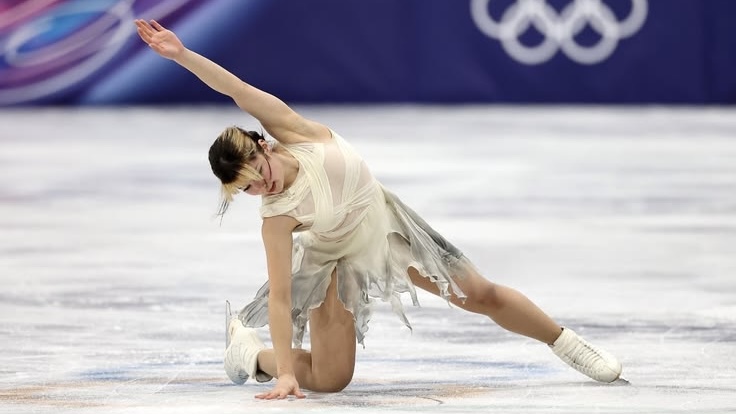
February 19, 2026
The Million-Dollar Medal: Alysa Liu’s Olympic Journey

February 21, 2026
A Guide to Rhythmic Gymnastics Apparatus
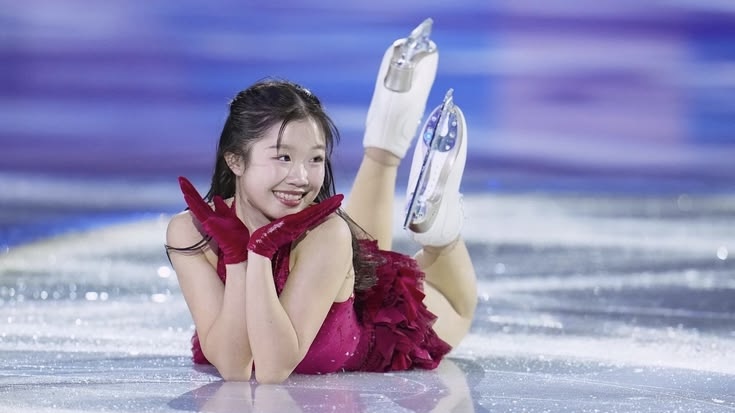
February 18, 2026
Ami Nakai Stuns With Triple Axel to Lead Olympic Short Program
Competition highlights, industry trends, expert opinions, and stories from athletes and artists worldwide — delivered straight to your inbox