 English
 中文 (中国)
 Español
February 19, 2026
The Million-Dollar Medal: Alysa Liu’s Olympic Journey
July 31, 2026
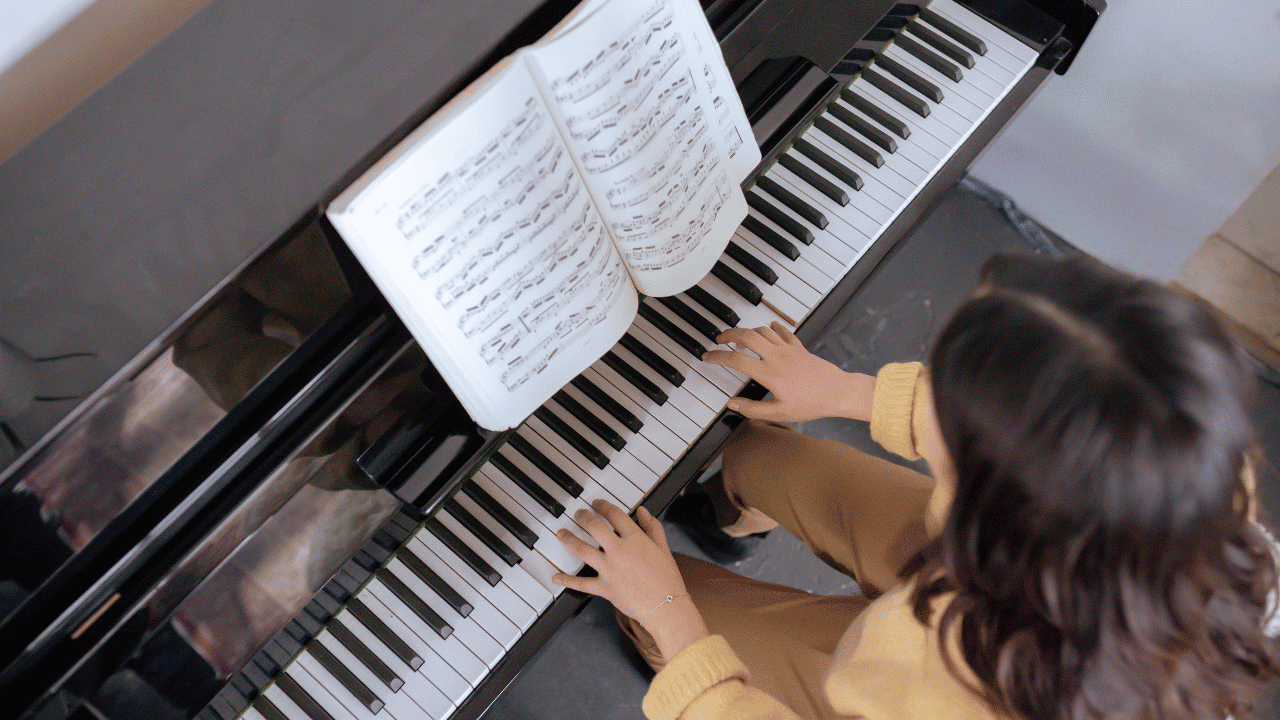
The piano sonata is one of the most important forms in classical music. For more than 250 years, composers have used sonatas to explore emotion, technique, storytelling, and musical innovation. Some are technically demanding, while others are surprisingly accessible, but each has influenced generations of musicians and continues to be performed in concert halls around the world.
Whether you are learning the piano or simply discovering classical music, these five sonatas are essential listening.
(Source: Royal Conservatory of Music, ABRSM, Encyclopaedia Britannica)
Ludwig van Beethoven composed the famous “Moonlight Sonata” in 1801. Officially titled Piano Sonata No. 14 in C-sharp minor, Op. 27 No. 2, it became one of the most recognizable piano works ever written.
Contrary to popular belief, Beethoven never called it the “Moonlight Sonata.” The nickname appeared years after his death when a music critic compared the first movement to moonlight reflecting on a lake.
Unlike many Classical sonatas, the opening movement is slow, quiet, and deeply emotional. The dramatic final movement demands speed, endurance, and remarkable technical control, creating one of the greatest emotional contrasts in piano literature.
Wolfgang Amadeus Mozart wrote this sonata around 1783.
It is best known for its famous third movement, “Rondo alla Turca” (“Turkish March”), one of the most recognizable melodies in classical music.
Unlike many sonatas of its time, the first movement is built on a theme with variations rather than traditional sonata form. Mozart combines elegance, clarity, and brilliant keyboard writing, making this work popular among both students and concert pianists.
Frédéric Chopin composed this masterpiece between 1837 and 1839.
Its third movement, the Funeral March, has become one of the most frequently performed pieces at state funerals and memorial ceremonies worldwide.
Chopin combines lyrical melodies with extraordinary emotional intensity. The sonata requires advanced control of tone color, rubato, voicing, and pedaling. Pianists must balance dramatic power with delicate phrasing, making it one of the greatest interpretive challenges in Romantic piano music.
Franz Schubert completed this sonata just weeks before his death in 1828.
Many musicians consider it one of the greatest farewell works ever written.
Rather than dazzling listeners with virtuosity alone, Schubert creates enormous emotional depth through long melodic lines, unexpected harmonic changes, and remarkable structural balance. The final movement brings optimism after nearly forty minutes of profound musical reflection.
Sergei Prokofiev composed this sonata during World War II.
It belongs to his famous “War Sonatas,” reflecting the uncertainty and tension of the period.
The final movement is driven by relentless rhythmic energy, rapid repeated notes, powerful chords, and shifting accents. Pianists must combine tremendous endurance with precise rhythmic accuracy, making it one of the most physically demanding sonatas in the modern repertoire.
Beethoven wrote 32 piano sonatas, often called the “New Testament” of piano literature b
y pianist Hans von Bülow. Mozart composed 18 piano sonatas, while Schubert completed 21. Chopin wrote only three piano sonatas, yet each became an important part of the Romantic repertoire. Today, these works remain central to international piano competitions, conservatory entrance examinations, and concert performances around the world.
(Source: ABRSM, Royal Conservatory of Music)
Do not focus only on playing the notes correctly. Listen to multiple interpretations by different pianists to understand how tempo, phrasing, articulation, dynamics, and pedaling shape each performance. Study the historical background of every sonata, practice slowly before increasing speed, and analyze the musical structure before learning individual passages. Recording your practice sessions can also reveal balance, rhythm, and tone issues that are difficult to notice while playing.
The greatest piano sonatas are much more than technical exercises.
They tell stories, express complex emotions, and reflect the personalities of the composers who created them. Exploring these masterpieces allows pianists to develop technique, musical understanding, and artistic expression while discovering why these works continue to inspire audiences centuries after they were written.
Achieve More With VSA: Boost your skills with world-class coaches for just $29/hour. Personalized programs 24/7, 365 days a year, anywhere in the world.
By Vitalina Andrushchenko, Staff Writer
February 19, 2026
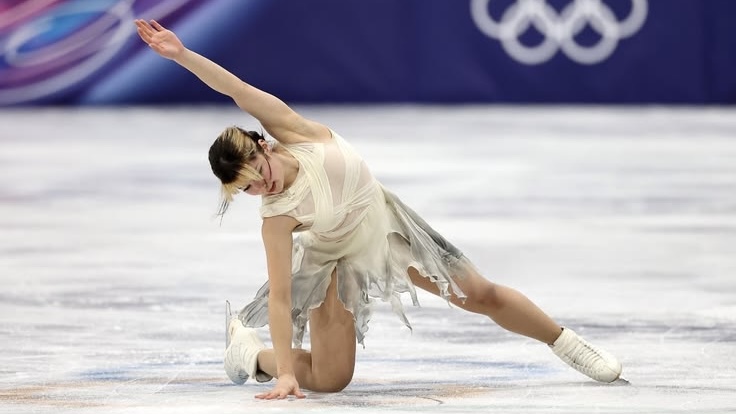
The Million-Dollar Medal: Alysa Liu’s Olympic Journey

February 21, 2026
A Guide to Rhythmic Gymnastics Apparatus
February 18, 2026
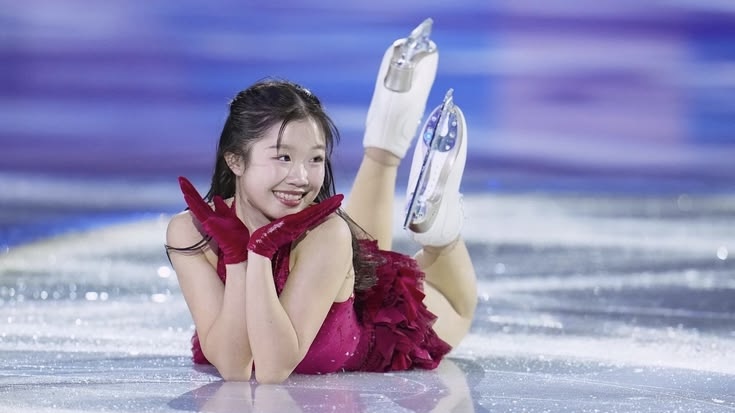
Ami Nakai Stuns With Triple Axel to Lead Olympic Short Program
Competition highlights, industry trends, expert opinions, and stories from athletes and artists worldwide — delivered straight to your inbox