 English
 中文 (中国)
 Español
February 19, 2026
The Million-Dollar Medal: Alysa Liu’s Olympic Journey
August 02, 2026
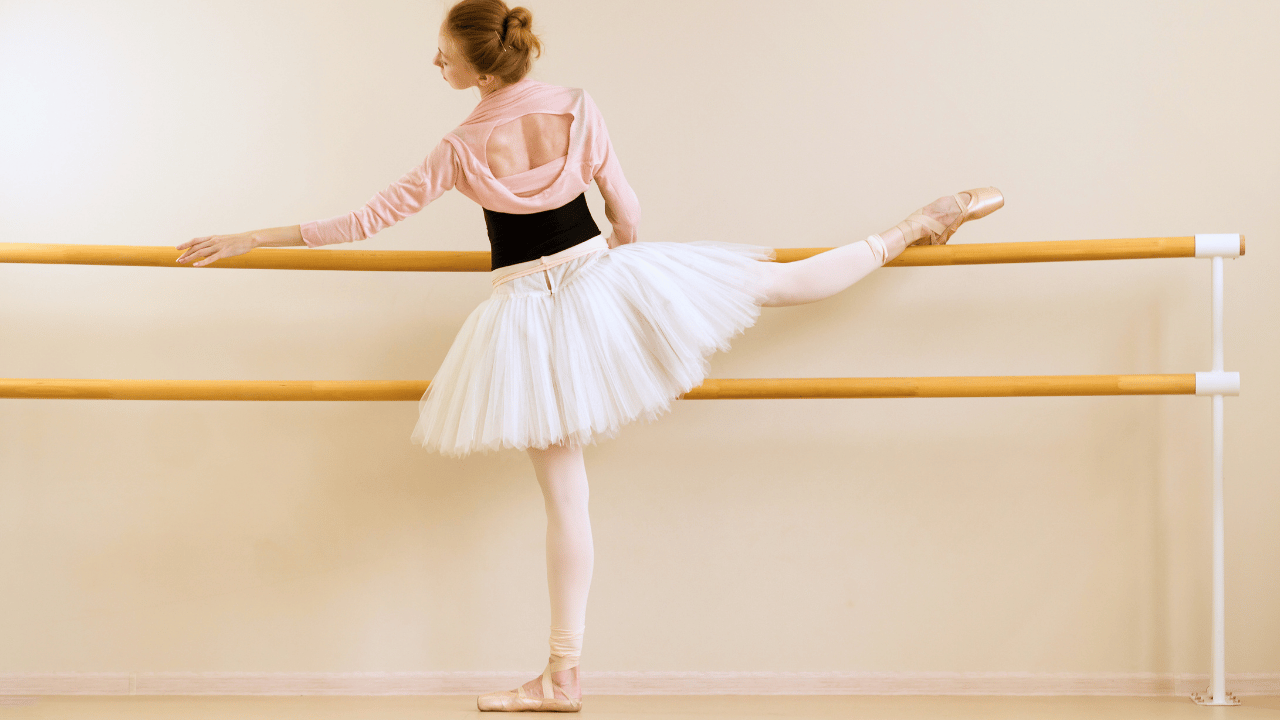
Good posture is about much more than standing up straight. It is the ability to maintain proper body alignment while moving, sitting, walking, or performing physical activities. One of the reasons ballet training has remained a foundation for dancers, athletes, actors, and performers is its remarkable ability to improve posture and body awareness.
Every ballet class develops strength, balance, coordination, and proprioception—the body’s ability to recognize its position and movement without looking. These skills benefit not only dancers but also everyday life.
(Source: International Association for Dance Medicine & Science (IADMS), Royal Academy of Dance (RAD), American Ballet Theatre (ABT))
Body awareness, also called proprioception, is your brain’s ability to sense where different parts of your body are in space.
For example, when you perform a pirouette, your body automatically adjusts tiny muscles in your feet, legs, hips, and core to maintain balance. The better your body awareness, the more efficiently these adjustments happen.
Research shows that dancers generally demonstrate better balance, coordination, and movement control than non-dancers because ballet constantly challenges the nervous system to process body position and movement.
Unlike many fitness activities that focus mainly on strength, ballet teaches alignment throughout the entire body.
Students learn to lengthen the spine, stabilize the pelvis, engage the deep abdominal muscles, relax unnecessary shoulder tension, and distribute weight evenly through both feet.
Over time these habits become increasingly automatic, improving posture both inside and outside the dance studio.
Marianela Nuñez is often praised for her exceptional posture and effortless body alignment.
When watching her perform, it becomes clear that excellent posture is not created by stiffness. Instead, she maintains a long spine, open chest, relaxed shoulders, stable pelvis, and continuous core engagement while moving naturally through every step.
Whether performing an adagio, arabesque, or multiple pirouettes, her posture remains consistent because each movement begins from balanced body alignment rather than muscular tension.
Many ballet teachers use her performances as an example of efficient posture built through years of correct technical training.
Poor posture makes balance more difficult because the body’s center of gravity constantly shifts.
In ballet, exercises at the barre gradually teach dancers how to stack the head, shoulders, ribs, pelvis, knees, and feet into efficient alignment.
This reduces unnecessary muscle effort and allows movements to become smoother and more stable.
These same principles help athletes in sports ranging from gymnastics to figure skating.
Many everyday activities strengthen large muscles but neglect the smaller stabilizing muscles responsible for posture.
Ballet regularly activates the deep core muscles, hip stabilizers, spinal muscles, foot muscles, and ankle stabilizers through controlled movements, balances, relevés, and slow transitions.
These muscles work continuously to support efficient posture during movement.
Scientific studies have shown that ballet training improves proprioception, postural control, balance, and coordination in both children and adults. Researchers have also found that dancers often demonstrate greater postural stability during single-leg balance tasks than non-dancers. Even beginner ballet classes can improve movement awareness because the brain constantly receives feedback about alignment, weight distribution, and joint position. Better proprioception may also reduce the risk of falls and certain movement-related injuries by improving the body’s ability to react quickly to changes in balance.
(Source: IADMS, Journal of Dance Medicine & Science)
Practice standing with your ears, shoulders, hips, knees, and ankles aligned, engage your core gently instead of holding your breath, lengthen your spine rather than forcing your chest upward, perform slow relevés to strengthen foot and ankle stability, practice balancing on one leg while maintaining proper alignment, use mirrors occasionally to check posture, and remember that quality of movement is more important than height or flexibility.
Beautiful ballet posture is not about looking rigid.
It is the result of strength, balance, coordination, and body awareness working together. As dancers improve these qualities, they begin moving with greater efficiency, confidence, and elegance—not only during class but throughout everyday life.
Achieve More With VSA: Boost your skills with world-class coaches for just $29/hour. Personalized programs 24/7, 365 days a year, anywhere in the world.
By Vitalina Andrushchenko, Staff Writer
February 19, 2026
The Million-Dollar Medal: Alysa Liu’s Olympic Journey
July 29, 2026
5 Skills Named After Olympic Gymnasts
February 21, 2026
A Guide to Rhythmic Gymnastics Apparatus
Competition highlights, industry trends, expert opinions, and stories from athletes and artists worldwide — delivered straight to your inbox