 English
 中文 (中国)
 Español
February 19, 2026
The Million-Dollar Medal: Alysa Liu’s Olympic Journey
August 07, 2026
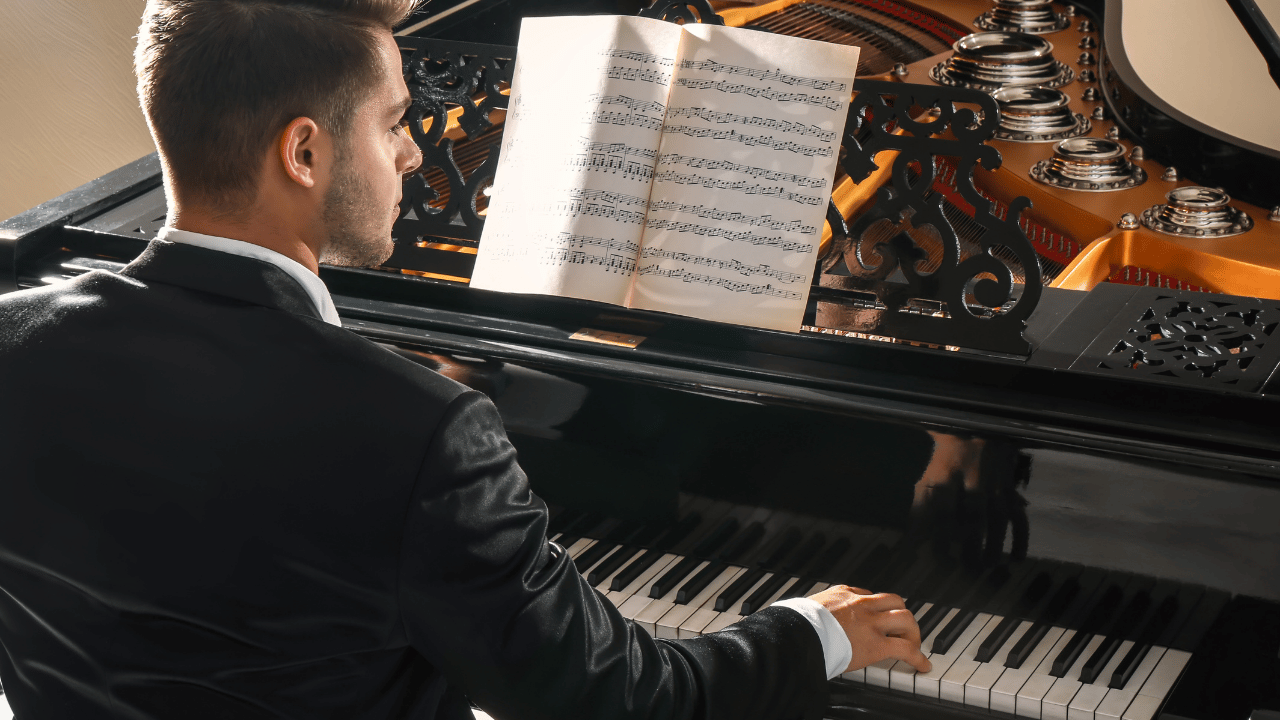
Almost every musician experiences nervousness before walking onto a stage. Whether performing at a school recital, an orchestra concert, or an international competition, the body often reacts with a faster heartbeat, sweaty hands, shallow breathing, or trembling fingers. This experience is known as music performance anxiety (MPA), and it affects beginners and world-class professionals alike.
The good news is that performance anxiety is not a sign of weakness. When managed correctly, it can even improve focus and performance.
(Source: American Psychological Association (APA), National Institute of Mental Health (NIMH), Psychology of Music, Performing Arts Medicine Association)
Performance anxiety is the body’s natural response to situations that feel important or uncertain.
When the brain perceives a performance as a challenge, it activates the “fight-or-flight” response. Stress hormones such as adrenaline increase heart rate, breathing becomes faster, muscles tighten, and attention becomes highly focused.
A small amount of arousal can improve concentration and reaction time. However, excessive anxiety may interfere with memory, coordination, rhythm, and fine motor control.
Musicians often perform under unique pressures.
Unlike many other activities, a single wrong note can feel highly noticeable. Live audiences, auditions, competitions, recordings, and personal expectations can all increase stress.
Perfectionism also plays an important role. Many musicians judge themselves more harshly than listeners ever would.
Research shows that experienced performers often feel nervous as well, but they learn how to work with those emotions instead of trying to eliminate them completely.
Hilary Hahn has spoken openly about the importance of thoughtful preparation and maintaining a healthy mindset before performances.
Rather than aiming for absolute perfection, Hahn focuses on understanding the music deeply, building consistent practice habits, and trusting her preparation.
Her performances demonstrate remarkable calmness, but that confidence comes from thousands of carefully structured practice hours rather than the absence of nerves.
Professional musicians often explain that confidence grows from preparation, not from never feeling anxious.
Performance anxiety can influence musicians in several ways.
The hands may feel tense, making rapid passages more difficult. Breathing may become shallow, affecting phrasing for singers and wind players. Memory lapses may occur because stress temporarily reduces the brain’s ability to retrieve information efficiently. Musicians may also rush the tempo, play too cautiously, or lose dynamic control.
Recognizing these symptoms helps performers respond more effectively instead of becoming frustrated.
Studies estimate that music performance anxiety affects a large percentage of professional musicians at some point during their careers. Brain imaging research suggests that experienced performers gradually develop stronger emotional regulation through repeated performance experience. Researchers have also found that simulated performances, including playing for small audiences or recording practice sessions, can reduce anxiety by making stressful situations feel more familiar. Interestingly, audiences often notice far fewer mistakes than performers believe they made because musicians are usually far more aware of tiny inaccuracies than listeners.
(Source: Psychology of Music, Performing Arts Medicine Association, APA)
Prepare consistently instead of cramming before performances, practice under performance-like conditions by recording yourself or playing for friends, focus on musical expression instead of avoiding mistakes, use slow and controlled breathing before walking on stage, visualize a successful performance, establish a familiar pre-performance routine, accept that small mistakes are part of live music, and continue performing regularly because confidence develops through experience.
Teachers can reduce unnecessary anxiety by creating supportive learning environments, encouraging progress rather than perfection, organizing informal performances before major concerts, helping students develop realistic expectations, and discussing mental preparation alongside technical practice.
Learning how to perform confidently should be part of music education, not something students discover only through experience.
Performance anxiety is not the opposite of confidence.
Many of the world’s greatest musicians still feel nervous before concerts. What separates experienced performers is their ability to channel those emotions into focus, communication, and artistic expression.
With thoughtful preparation, regular performing experience, and healthy mental habits, anxiety gradually becomes something musicians learn to manage rather than fear.
Achieve More With VSA: Boost your skills with world-class coaches for just $29/hour. Personalized programs 24/7, 365 days a year, anywhere in the world.
By Vitalina Andrushchenko, Staff Writer
February 19, 2026
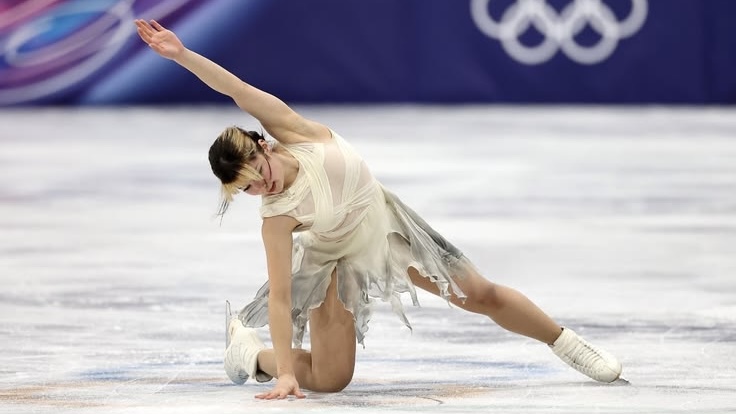
The Million-Dollar Medal: Alysa Liu’s Olympic Journey
July 29, 2026
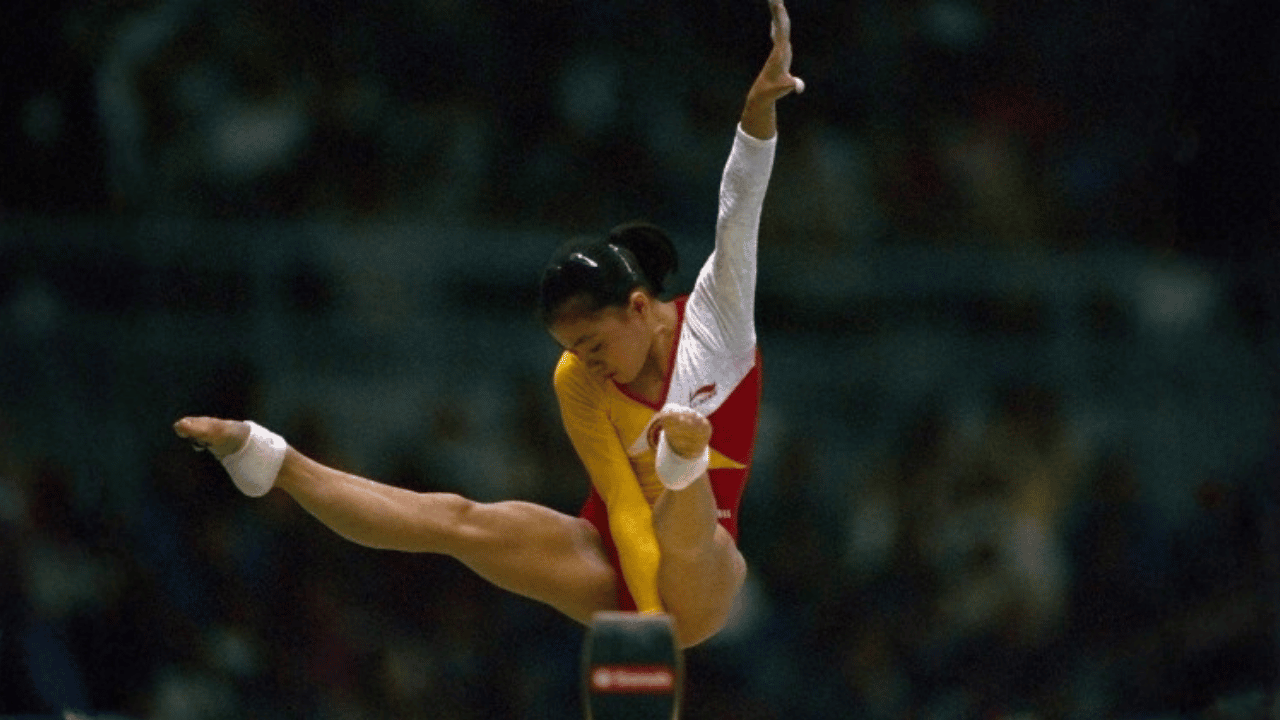
5 Skills Named After Olympic Gymnasts

February 21, 2026
A Guide to Rhythmic Gymnastics Apparatus
Competition highlights, industry trends, expert opinions, and stories from athletes and artists worldwide — delivered straight to your inbox