 English
 中文 (中国)
 Español
February 19, 2026
The Million-Dollar Medal: Alysa Liu’s Olympic Journey
August 09, 2026
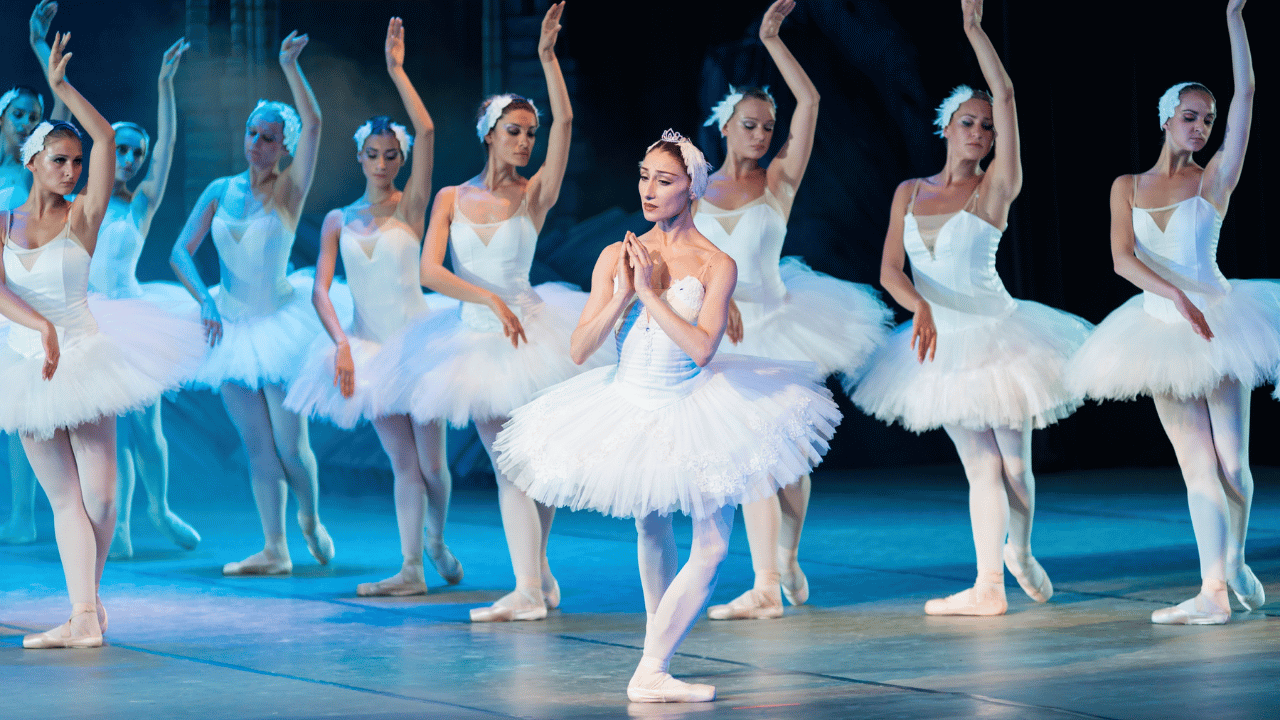
Classical ballet is often associated with elegance and lightness, but behind every seemingly effortless performance are years of demanding technical training. Female variations can be especially challenging because they combine precise footwork, jumps, turns, balances, musicality, and artistic expression.
Some variations have become famous for their exceptional technical demands. They challenge dancers not only physically, but also mentally, requiring concentration and confidence from the first step to the final pose.
Here are five female variations that are widely considered among the more demanding works in the classical ballet repertoire.
Kitri’s Act III variation from Don Quixote is one of the most recognizable challenges for female ballet dancers.
The variation requires fast footwork, sharp changes of direction, powerful jumps, and impressive control. It also demands strong musicality because the choreography moves quickly and leaves little room for hesitation.
A dancer performing Kitri must combine technical precision with a confident stage personality. The choreography is designed to look joyful and effortless, making the difficulty even more impressive when performed well.
The Gamzatti variation from La Bayadère is another demanding piece in the classical repertoire.
It contains difficult balances, jumps, and turns that require considerable strength and control. The dancer also needs to maintain a sense of elegance while executing technically challenging combinations.
One of the biggest challenges is maintaining consistency. A technically difficult movement may look impressive once, but performing an entire variation with clean technique and musical accuracy requires extensive preparation.
Odile’s famous variation from Act III of Swan Lake is often associated with one of ballet’s most recognizable technical challenges.
The choreography includes the famous series of fouettés, which require the dancer to repeatedly turn while maintaining control, rhythm, and balance.
The difficulty goes beyond the turns themselves. Odile must also project confidence and character while performing demanding choreography. The dancer has to make the technique look natural rather than visibly struggle with it.
Aurora’s Act III variation from The Sleeping Beauty is a classic example of how seemingly delicate choreography can require exceptional precision.
The variation includes intricate footwork, jumps, and quick movements that need to be executed with clarity. Classical style is particularly important here: the dancer must maintain clean lines, musicality, and a refined quality throughout the performance.
Aurora’s variation is a reminder that difficulty in ballet is not always about the biggest jumps or the fastest turns. Precision and control can make a relatively short variation extremely challenging.
Raymonda’s variations are famous for combining classical elegance with demanding technical passages.
The choreography requires strong pointe technique, precise footwork, controlled balances, and musical sophistication. Depending on the production and choreography used, different versions can present different technical challenges.
The dancer must also capture Raymonda’s character while maintaining the formal qualities expected from classical ballet. This combination of technique and artistry makes the variation a significant challenge for advanced dancers.
The difficulty of a ballet variation cannot be measured by one movement alone. A challenging variation may combine several demanding elements:
For this reason, the most difficult variations are not necessarily the ones with the biggest tricks. Often, the real challenge is combining difficult technique with artistry and consistency.
A great ballet variation should never look like a technical test. The audience should see a character, a story, and a dancer who appears completely connected to the music.
That is what makes these variations so valuable for advanced ballet students. They teach dancers that technical ability is only one part of performance. Strength, control, musicality, artistry, and confidence must work together.
Mastering a difficult variation can take months or even years of training. But the process also teaches one of the most important lessons in classical ballet: the goal is not simply to perform difficult movements, but to make them look beautiful, controlled, and effortless.
Achieve More With VSA: Boost your skills with world-class coaches for just $29/hour. Personalized programs 24/7, 365 days a year, anywhere in the world.
By Vitalina Andrushchenko, Staff Writer
February 19, 2026
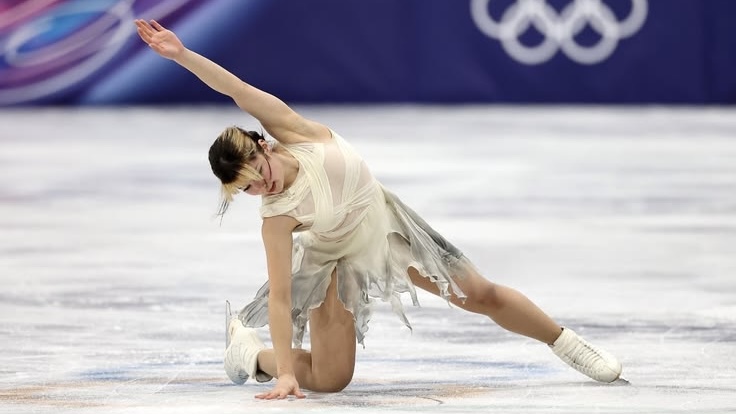
The Million-Dollar Medal: Alysa Liu’s Olympic Journey
July 29, 2026
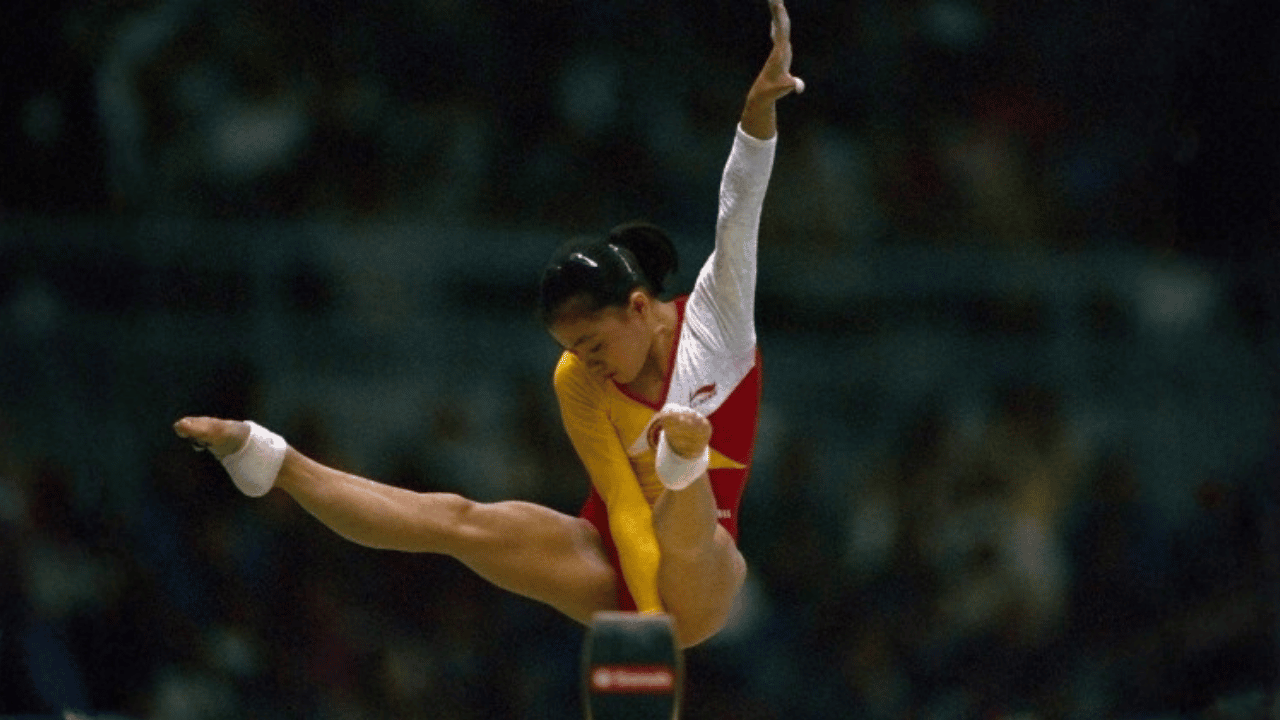
5 Skills Named After Olympic Gymnasts

February 21, 2026
A Guide to Rhythmic Gymnastics Apparatus
Competition highlights, industry trends, expert opinions, and stories from athletes and artists worldwide — delivered straight to your inbox