 English
 中文 (中国)
 Español
February 19, 2026
The Million-Dollar Medal: Alysa Liu’s Olympic Journey
August 11, 2026
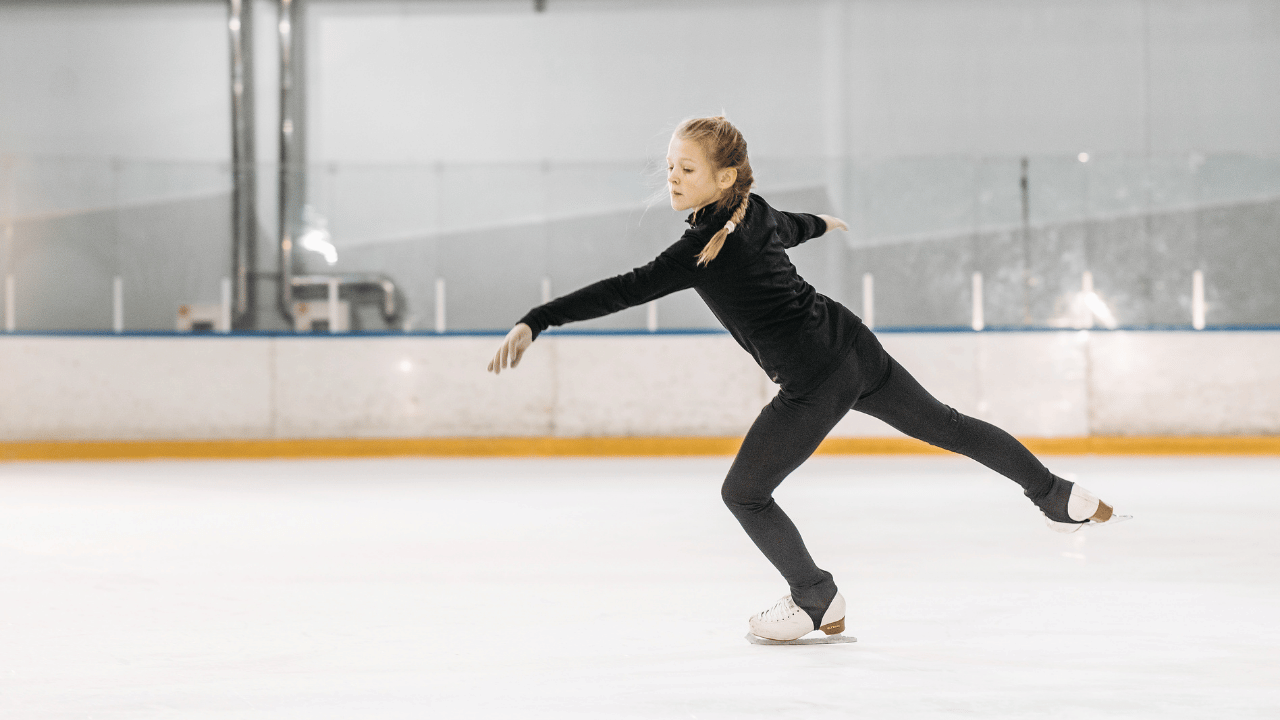
A fast spin can look effortless on the ice, but behind every successful rotation is a combination of physics, body control, technique, and training. Whether an athlete is working on a basic upright spin, a difficult combination spin, or an advanced variation, increasing rotational speed requires much more than simply trying to turn faster.
Understanding the science behind spinning can help athletes train more effectively and understand why certain technical adjustments make such a significant difference.
When a skater spins, their body rotates around a vertical axis. The speed of that rotation is closely connected to how the body’s mass is distributed around the axis.
When the arms and free leg are brought closer to the body, the mass becomes concentrated nearer to the axis of rotation. This allows the skater to rotate faster while maintaining the same overall rotational motion.
This is one reason a skater can appear to accelerate dramatically during a spin simply by changing their body position.
The arms play an important role in controlling rotational speed.
When the arms are extended away from the body, they increase the body’s rotational resistance. Bringing them closer reduces that resistance and allows the body to rotate more quickly.
However, pulling the arms in too aggressively can create other problems. A skater may lose their centered position, change their balance, or struggle to maintain control.
The goal is therefore not simply to bring the arms inward as quickly as possible. The movement needs to be controlled and coordinated with the rest of the body.
A fast spin begins with a stable center.
The abdominal and back muscles help the skater maintain an organized body position while rotating. If the torso becomes unstable, the axis can move, making the spin slower or causing the skater to travel across the ice.
A strong center helps keep the body aligned over the skating leg and makes it easier to maintain a consistent axis.
Spin speed is also influenced by what happens before the rotation begins.
A well-executed entry can create rotational momentum and establish a strong axis. Poor alignment during the entry, unnecessary movements, or an unstable skating leg can reduce the quality of the rotation before the spin has even fully started.
For this reason, improving spin speed does not always mean training the spin itself. Sometimes the biggest improvement comes from refining the entry.
The skating leg has to provide a stable foundation while the rest of the body rotates.
Small movements of the ankle, knee, hip, or upper body can affect the position of the axis. If the skater constantly has to correct their balance, some of the rotational energy is effectively being used to maintain stability rather than producing a clean, fast rotation.
A centered spin therefore depends on both strength and precision.
It can be tempting to focus entirely on increasing the number of rotations. But speed without control does not necessarily produce a better spin.
A successful spin requires the skater to maintain position, balance, technique, and musical timing while rotating quickly.
For younger or developing athletes especially, building a reliable axis and clean technique should come before trying to maximize speed.
Improving spin speed can involve several areas of training:
The goal is to make each part of the spin work together rather than trying to create speed through one movement alone.
The physics of rotation explains why certain positions are faster, but successful skating requires turning that knowledge into precise movement.
A skater who understands how body position affects rotation can make more informed technical adjustments. Instead of simply thinking, “spin faster,” they can focus on specific factors such as axis, alignment, arm position, entry, and core control.
Ultimately, increasing spin speed is a combination of physics, technique, strength, balance, and repetition. The fastest spins are not created by force alone. They come from efficient movement and the ability to keep the body organized while rotating at high speed.
Achieve More With VSA: Boost your skills with world-class coaches for just $29/hour. Personalized programs 24/7, 365 days a year, anywhere in the world.
By Vitalina Andrushchenko, Staff Writer
February 19, 2026
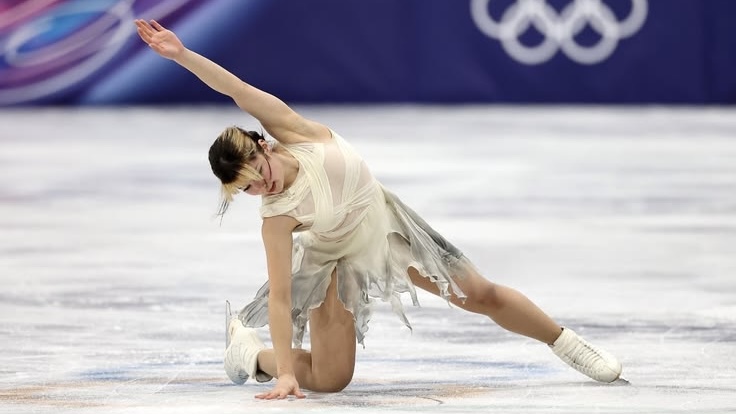
The Million-Dollar Medal: Alysa Liu’s Olympic Journey
July 29, 2026
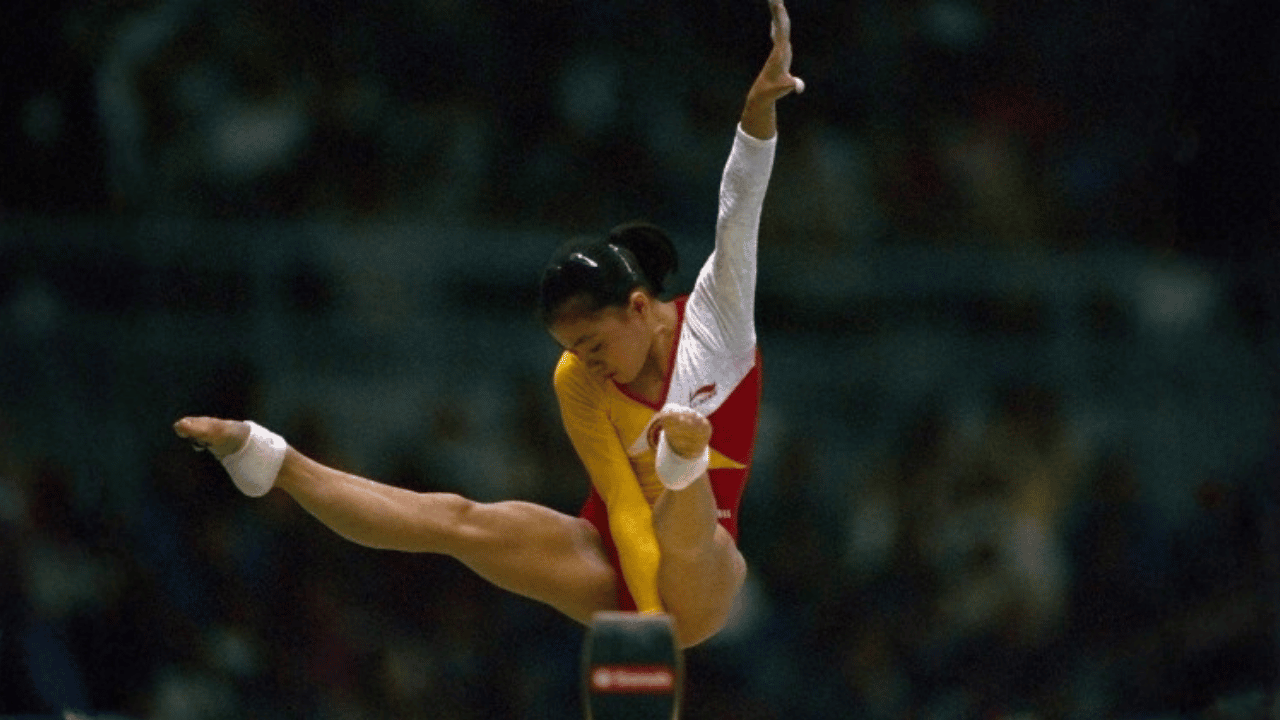
5 Skills Named After Olympic Gymnasts
February 21, 2026
A Guide to Rhythmic Gymnastics Apparatus
Competition highlights, industry trends, expert opinions, and stories from athletes and artists worldwide — delivered straight to your inbox