 English
 中文 (中国)
 Español
July 29, 2026
5 Skills Named After Olympic Gymnasts
August 20, 2026
Being left-handed does not automatically mean you need a left-handed violin.
That may sound surprising, especially when you consider how much coordination the violin requires. One hand controls the bow while the other manages finger placement, intonation and shifting. It seems logical that a left-handed person should simply reverse the roles.
But violin playing is more complicated than that.
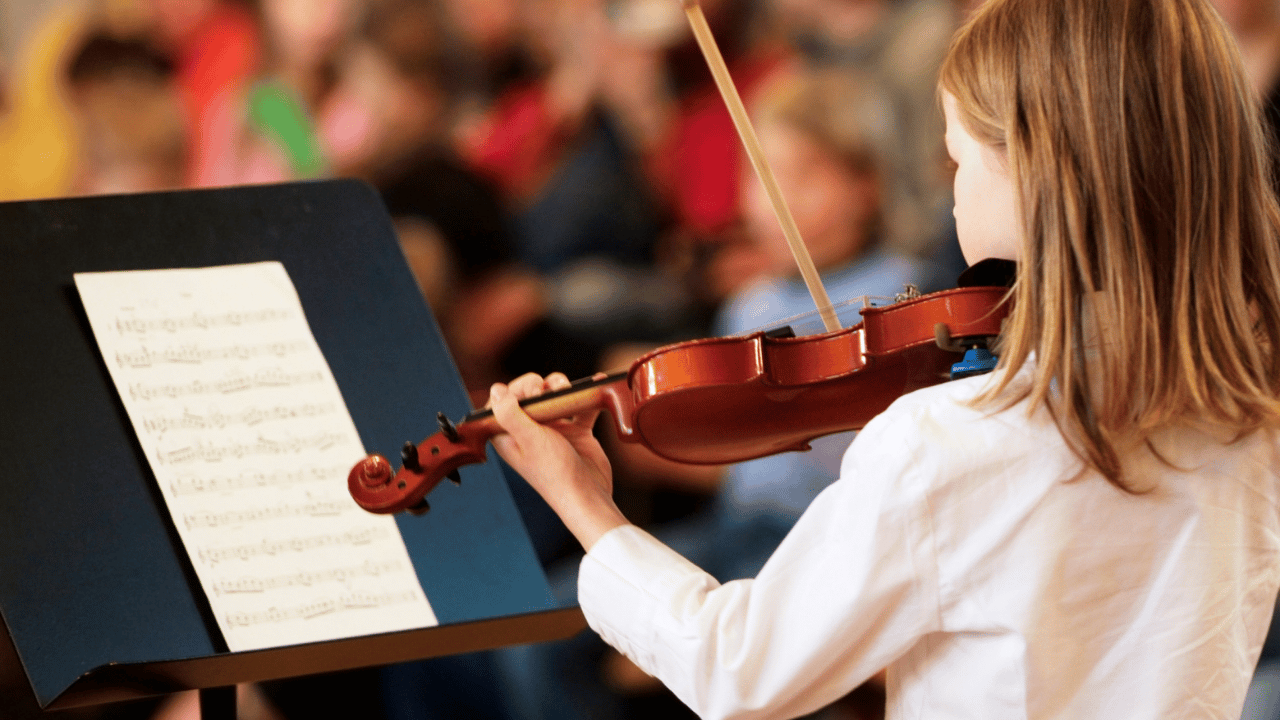
The standard violin setup places the instrument on the left shoulder, with the left hand on the fingerboard and the right hand holding the bow.
A genuinely left-handed violin reverses this arrangement so that the player bows with the left hand and fingers with the right. But being naturally left-handed is not, by itself, a reason to make that switch. Many left-handed violinists successfully learn and perform using the conventional setup.
In fact, the violin requires both hands to perform highly complex tasks. Being dominant in one hand does not automatically make the corresponding violin role easier.
One major advantage of the standard setup is consistency.
Almost all violin teaching materials, lessons and instructional resources assume the traditional arrangement. Learning this way also makes it easier to study with teachers who use conventional technique and to play alongside other musicians.
The orchestra is another important consideration.
String sections are organized around players using the same basic setup. A reversed violin can make coordinated bowing and physical spacing more complicated, particularly when musicians sit closely together. Many left-handed players therefore choose the conventional setup from the beginning.
One of the strongest arguments for a left-handed setup is that the bow hand plays an enormous role in producing sound.
The bow controls tone, articulation, dynamics, speed and many subtle aspects of musical expression. It is therefore understandable that a left-handed beginner might feel more comfortable controlling the bow with their dominant hand.
But there is an important catch: bowing is difficult for everyone at first.
A right-handed beginner also has to teach their right hand movements that initially feel unnatural. At the same time, the left hand must develop extremely precise finger placement and coordination.
In other words, violin technique is not simply a question of putting the dominant hand on the “more important” job. Both sides have demanding responsibilities.
The myth isn’t that left-handed violins exist — they absolutely do.
The misconception is that a standard violin can simply be turned around and played from the opposite side.
A purpose-built left-handed violin is a genuine mirror-image instrument. Its string arrangement, chinrest and other structural elements are designed for the reversed playing position. The internal construction, including components such as the bass bar and soundpost, also matters.
Simply reversing the strings on a standard violin is not equivalent to owning a properly constructed left-handed instrument.
For most left-handed beginners, trying the traditional setup first is a sensible option.
There are, however, individual circumstances where a reversed setup may make sense. Physical limitations affecting one hand can be an important consideration, and some players simply find the left-handed configuration significantly more comfortable.
The decision should therefore be based on the individual player rather than handedness alone.
A student should ideally try both approaches with an experienced violin teacher before investing in a specialized instrument.
Being left-handed isn’t a disadvantage on the violin.
It also isn’t a guarantee of an advantage.
What matters most is learning how to coordinate both hands, developing a reliable bow technique, building accurate intonation and finding a setup that allows the player to progress comfortably.
So, does a left-handed person need a left-handed violin?
No.
And does a left-handed violinist have the option of playing that way?
Absolutely.
The best choice is not determined by which hand you use to write. It is determined by which setup allows you to make music confidently, comfortably and consistently.
Achieve More With VSA: Boost your skills with world-class coaches for just $29/hour. Personalized programs 24/7, 365 days a year, anywhere in the world.
By Vitalina Andrushchenko, Staff Writer
July 29, 2026
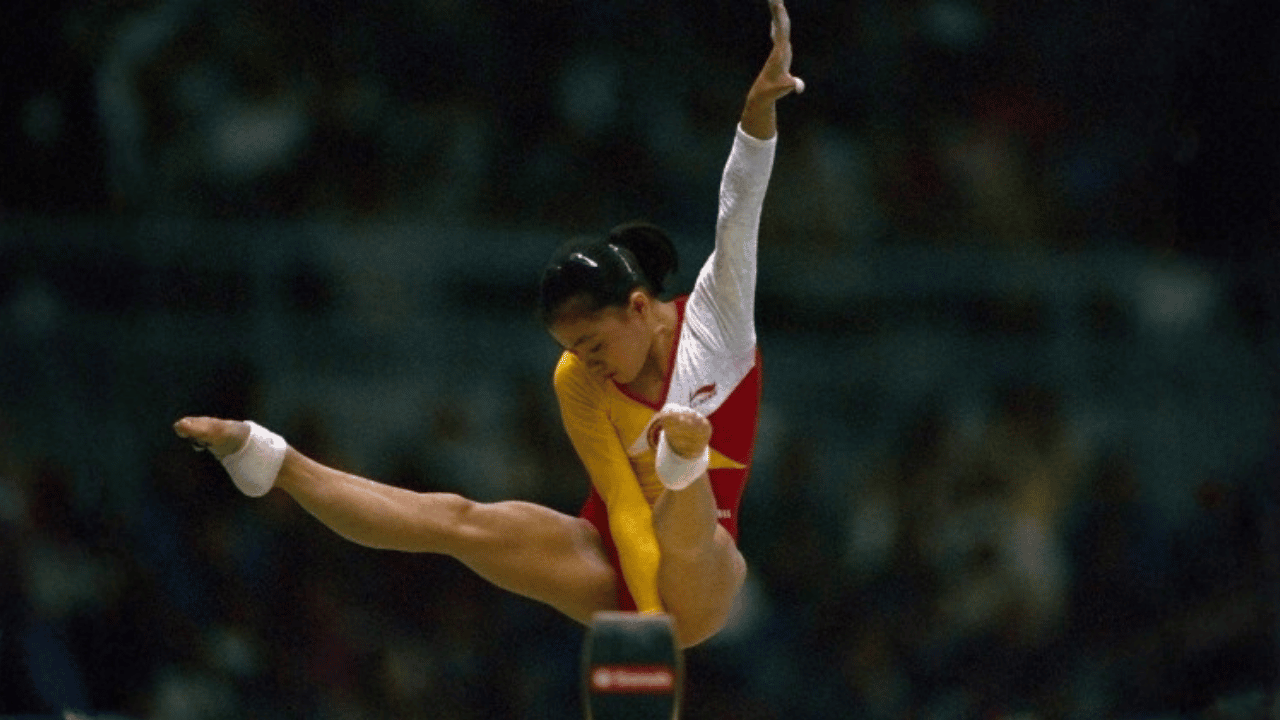
5 Skills Named After Olympic Gymnasts

February 21, 2026
A Guide to Rhythmic Gymnastics Apparatus
March 17, 2026
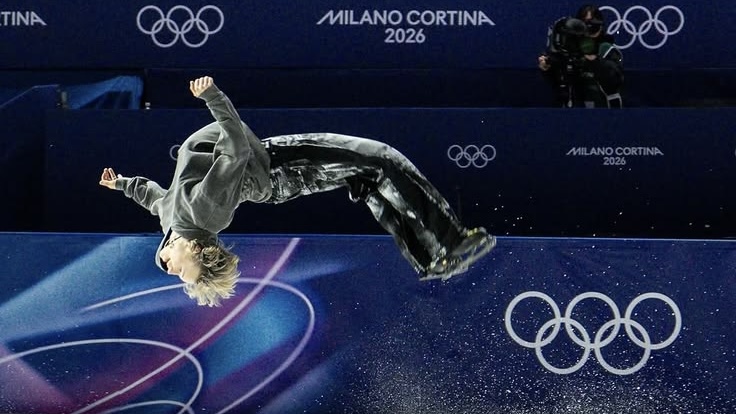
Hall of Fame: ISU Figure Skating Awards Winners
Competition highlights, industry trends, expert opinions, and stories from athletes and artists worldwide — delivered straight to your inbox