

 English
 中文 (中国)
 Español


July 29, 2026
5 Skills Named After Olympic Gymnasts
December 04, 2025
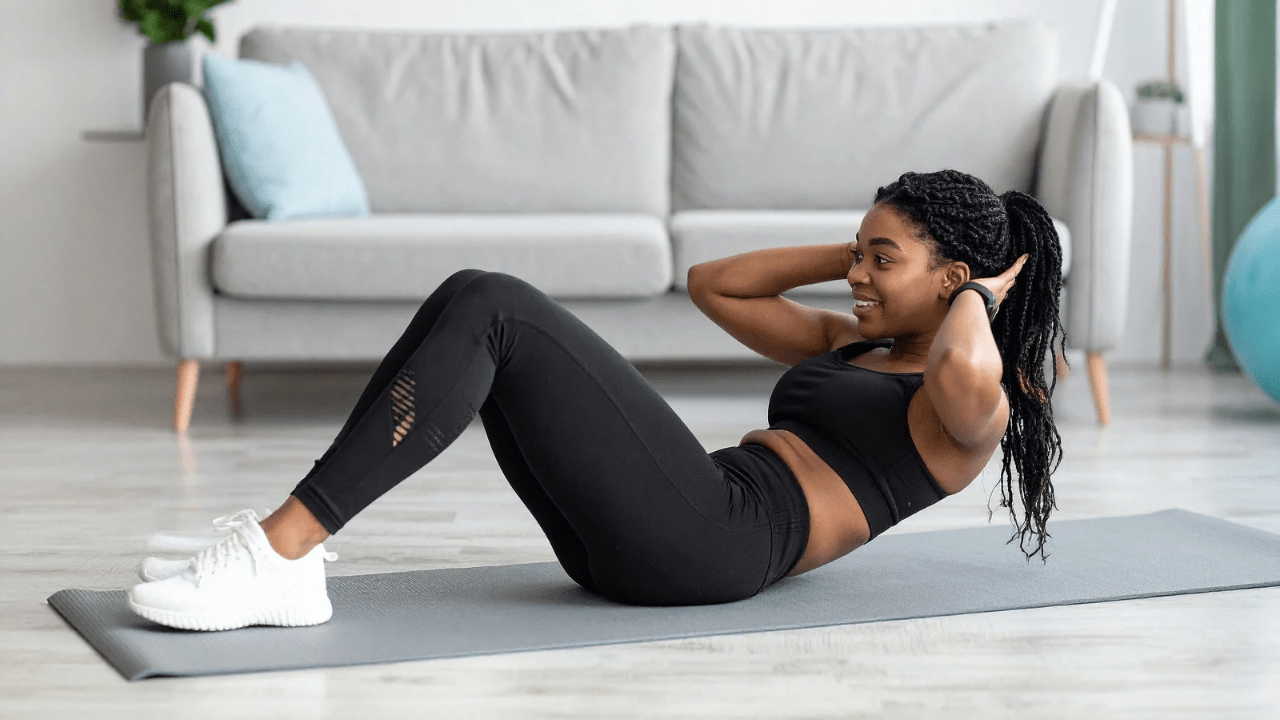
You want to look better, feel stronger, and have energy that lasts all day – not just for the first week of January. But you’re busy.
Yet every time you think about adding real conditioning (the kind that actually changes your body), the same old fears pop up: “I’ll get bulky.” “I’ll be exhausted.” “It’s too intense for women.”
We’ve heard them all. And after coaching thousands of regular women – teachers, nurses, moms, desk-job warriors – in 2025, we can tell you with zero hesitation: those fears are flat-out wrong.
Short, smart, intense conditioning is the single fastest way for women to drop fat, reshape their body, and feel unstoppable – without spending hours exercising.
Here are the 7 biggest myths still floating around in 2025… and the proof that finally sets you free.
Myth 1: “Too much intense conditioning will make me bulky” Truth: In a 2025 meta-analysis of 42 studies on women and HIIT/sprint training, the average participant lost 4.1 kg of pure fat and gained only 0.6–1.1 kg of muscle over 12–16 weeks – exactly the tight, athletic look most women want. The only women who ever get “bulky” are genetic outliers eating 500+ kcal surplus while training 6 days a week.
Myth 2: “Long, slow cardio is the best way to lose fat” Truth: Short, high-intensity sessions create 24–38 hours of elevated metabolism (the famous “after-burn” or EPOC). A 20-minute assault bike or sled session can burn the same calories as a 60-minute jog plus an extra 150–250 kcal in the following day and a half. That’s why the women who switch from daily 5 km jogs to 3×20 min intense sessions lose 2–3× more fat in the same timeframe.
Myth 3: “High-intensity work messes with female hormones” Truth: New 2024–2025 research tracking 1,200 active women shows that 2–4 properly recovered HIIT sessions per week actually lowers cortisol, improves insulin sensitivity, and stabilises menstrual cycles compared to chronic daily moderate cardio. The real hormone killer? Overdoing long, slow miles without enough food or rest.
Myth 4: “I’ll be too sore and tired for the rest of my week” Truth: When sessions are kept under 25 minutes and you leave 48–72 hours between them, most women report higher daily energy, better sleep, and less afternoon crashes. The fatigue myth comes from doing too much volume, not from intensity itself.
Myth 5: “Bodyweight circuits are enough forever” Truth: Once you can do 15+ perfect push-ups, 20 air squats without breaking a sweat, and hold a plank for 2 minutes, the cardiovascular stimulus flatlines. Adding external load (dumbbells, kettlebells, sleds, or a watt bike) is the only way to keep forcing the heart and lungs to adapt.
Myth 6: “Conditioning is only for weight-loss seasons” Truth: Women who maintain one 18–22 minute conditioning session per week year-round keep their resting metabolic rate 8–12 % higher and lose fat 60–70 % faster when they decide to cut again. It’s the ultimate insurance policy against the “I gained it all back” cycle.
Myth 7: “Anaerobic intervals are too hard/scary for regular women” Truth: The women who fear 20-second all-out efforts the most are usually the ones who benefit fastest. A beginner-friendly example: 8 rounds of 20 s hard / 40 s easy on any machine = 8 minutes total work, yet it triggers the biggest fat-loss and heart-health adaptations science has measured.
The “Real Life” Weekly Template That Fits Any Schedule Monday → 30–40 min strength Wednesday → 20–22 min conditioning (bike, sled, rower, or hill sprints) Saturday or Sunday → long walk, yoga, or play That’s 60–80 minutes of focused work per week → visible abs, lifted butt, endless energy.
Stop wasting hours chasing outdated advice. Short, intense, smart conditioning is the fastest route to the body and energy you actually want.
Achieve More With VSA: Boost your skills with world-class coaches for just $29/hour. Perfect for skaters, hockey players, dancers, and athletes, VSA offers personalized training 24/7, 365 days a year, anywhere in the world.
By Vitalina Andrushchenko, Staff Writer
Competition highlights, industry trends, expert opinions, and stories from athletes and artists worldwide — delivered straight to your inbox


