 English
 中文 (中国)
 Español
July 29, 2026
5 Skills Named After Olympic Gymnasts
September 11, 2026
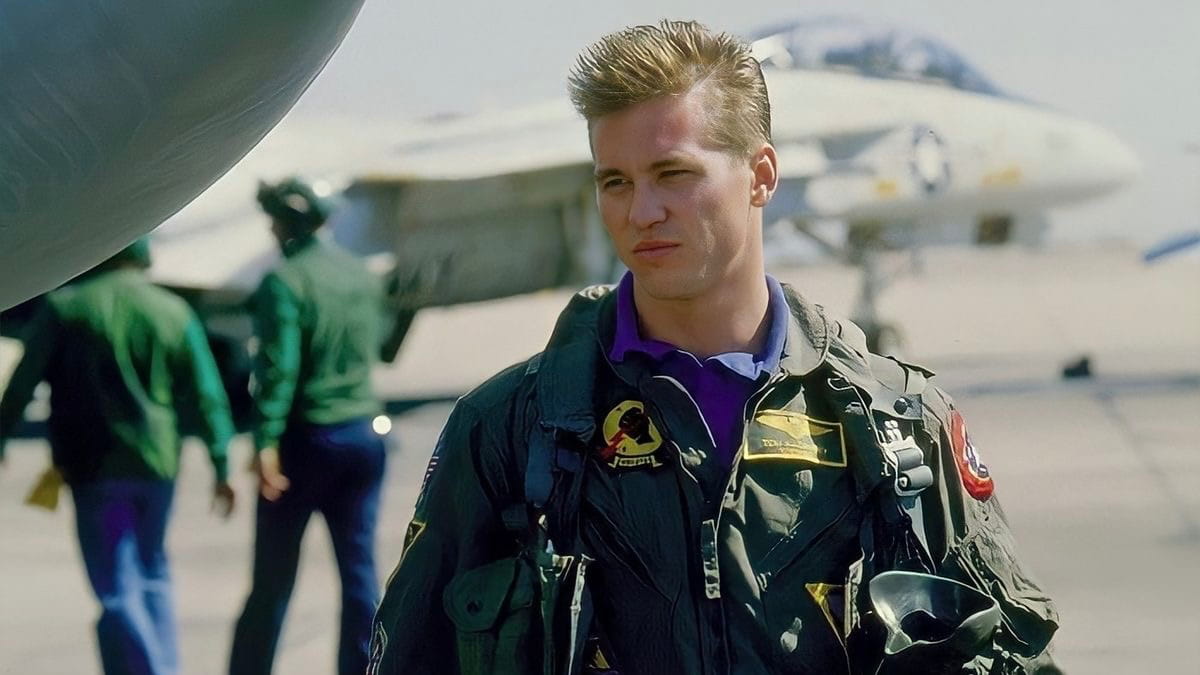
Imagine watching a new movie and seeing a familiar Hollywood star on screen. The face is unmistakable. The voice sounds right. The expressions look natural.
But there is one problem: the actor isn’t actually there.
This is no longer science fiction. Hollywood is increasingly experimenting with AI-generated performances, digital doubles, voice replicas, and de-aging technology. The question is becoming less about whether the technology is possible — and more about who controls it, who gets paid, and where the human performance ends and the machine begins.
One of the most visible uses of AI is digital de-aging.
Harrison Ford’s younger Indiana Jones in Indiana Jones and the Dial of Destiny was created using technology that drew on decades of footage of Ford. Ford himself was enthusiastic about the result, explaining that the younger face was essentially his own face from that period, reconstructed from existing footage.
Tom Hanks and Robin Wright took the idea even further in Here. The actors play their characters across multiple decades, with generative AI helping transform their faces in real time during filming. The technology allowed the filmmakers to avoid simply replacing the older actors with younger performers.
Hanks had an amusingly human reaction to the whole thing. He said that although it was impressive to see himself looking younger, he would actually rather be as old as he was.
And that raises an interesting question: if technology can make an actor look 25 again, does that mean the actor can effectively remain 25 forever?
De-aging is only one piece of the puzzle.
A digital double can potentially reproduce an actor’s face, body, voice, or movements. In theory, an actor could perform a scene once and then have a digital version appear in additional scenes, advertisements, video games, or future projects.
Creative agencies are already preparing for this possibility. In 2026, CAA launched The Vault, a facility designed to capture detailed information about performers’ faces, bodies, voices, and movements so that digital replicas can be created under controlled conditions.
That sounds futuristic — but it also changes the definition of a performance.
If an actor gives permission for a digital replica to be used in ten commercials, did they perform in ten commercials?
And what if that replica is used for something the actor would never personally agree to?
The debate isn’t simply actors versus technology.
SAG-AFTRA’s position is more nuanced: AI can be used, but performers should have clear consent, fair compensation, and control over their performances. The union specifically argues that digital simulations of a performer’s voice, likeness, or performance must be negotiated.
Some actors also recognize the creative possibilities.
Harrison Ford’s positive reaction to his digitally reconstructed younger self is a good example. For him, the technology helped tell a story about a younger Indiana Jones without replacing Ford with another actor.
But other actors are more skeptical.
Robert Downey Jr. has publicly expressed strong opposition to having his likeness recreated by AI, illustrating a broader concern: an actor’s face should not become an endlessly reusable studio asset simply because technology makes it possible.
This is where the conversation becomes even more complicated.
AI can potentially recreate performers who are no longer alive. That creates possibilities for preserving cultural history — but also raises difficult questions about consent.
James Earl Jones, for example, chose to license his iconic Darth Vader voice for AI use rather than leaving the decision entirely to studios or technology companies. Meanwhile, the estates of other deceased performers have explored licensing their likenesses for new projects.
The difference is crucial:
Did the performer choose it?
If yes, AI can become another form of creative legacy.
If not, it starts to look much more like exploitation.
Perhaps the most interesting answer is: both.
AI can help filmmakers show characters at different ages, preserve an actor’s performance, fix visual problems, create difficult effects, and allow performers to participate in projects without being physically present for every shot.
But the same technology could also make it cheaper to replace human performers, reuse their likenesses indefinitely, or create performances they never agreed to give.
And there is another danger: audiences may eventually struggle to know what is real.
If a celebrity can be made to say almost anything, seeing an actor on screen will no longer automatically mean that the actor actually said or did it.
That is why the future of AI acting may depend less on the technology itself and more on rules, transparency and consent.
The goal shouldn’t necessarily be to keep AI out of filmmaking.
Perhaps the better question is:
Can Hollywood teach AI to work for actors — rather than turning actors into raw material for AI?
If the answer is yes, digital doubles could become a remarkable new filmmaking tool.
If the answer is no, the next great Hollywood star might not be an actor at all.
It might be a copy.
Achieve More With VSA: Boost your skills with world-class coaches for just $29/hour. Personalized programs 24/7, 365 days a year, anywhere in the world.
By Vitalina Andrushchenko, Staff Writer
July 29, 2026
5 Skills Named After Olympic Gymnasts
March 17, 2026
Hall of Fame: ISU Figure Skating Awards Winners
March 24, 2026
2026 World Figure Skating Championships in Prague
Competition highlights, industry trends, expert opinions, and stories from athletes and artists worldwide — delivered straight to your inbox