

 English
 中文 (中国)
 Español


July 29, 2026
5 Skills Named After Olympic Gymnasts
April 16, 2025
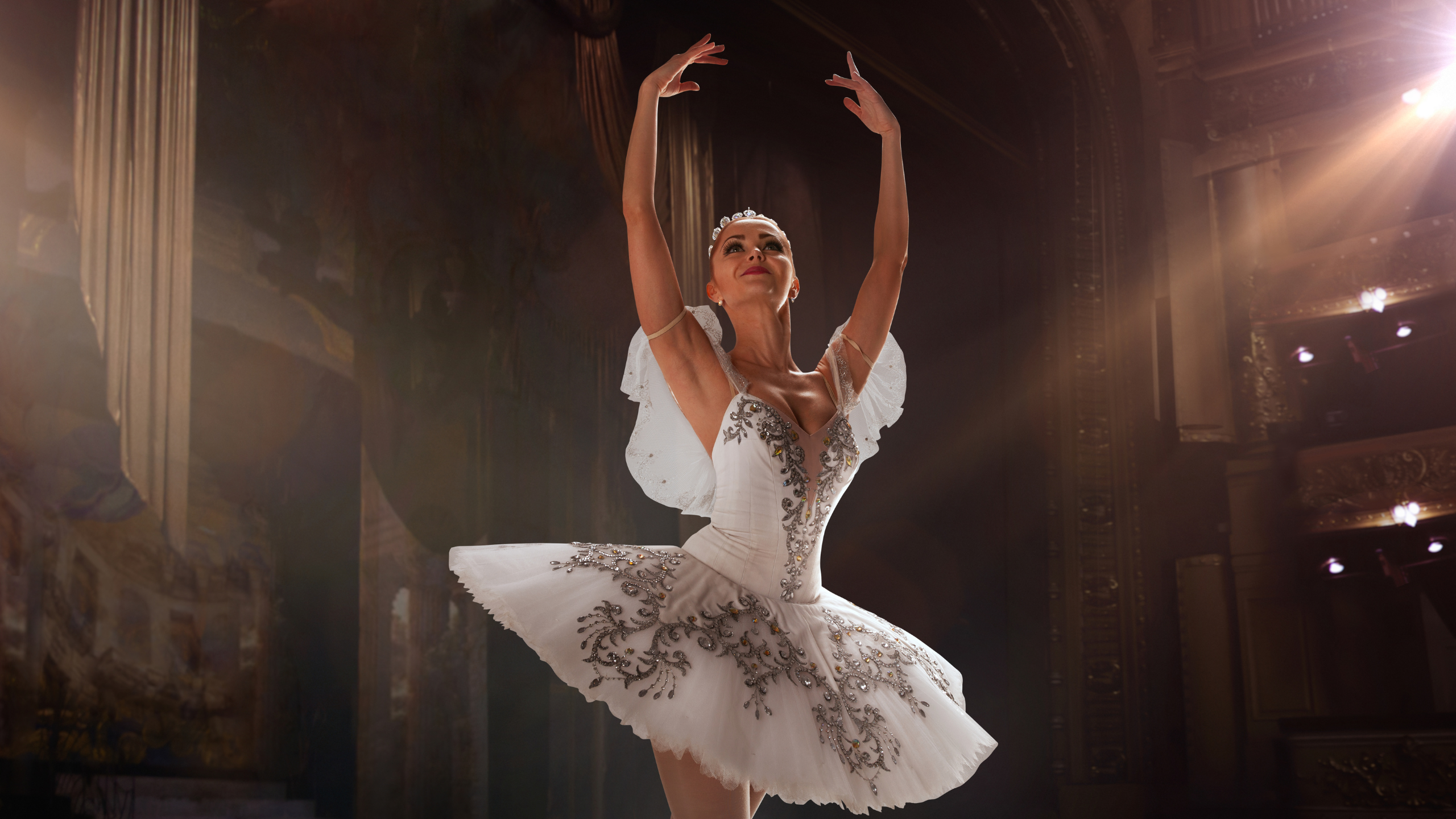
The path to professional ballet is a saga of sweat, sacrifice, and soaring artistry. From a child’s first plié in a local studio to commanding the spotlight at Lincoln Center, a dancer’s journey weaves discipline, resilience, and passion into every step. For icons like Misty Copeland and Natalia Osipova, the road wasn’t just about talent—it was about grit, growth, and transformation. Here’s what it takes to turn studio dreams into stage reality—and how VSA’s ballet classes fuel that leap.
Ballet often begins young—ages 3 to 8—when curiosity meets canvas. “It’s play that becomes purpose,” says Susan Jaffe, artistic director at American Ballet Theatre. In community studios, kids learn basics: pliés, tendus, and posture. Classes, 1-2 times weekly, build coordination; a 2021 Journal of Dance Education study found early training boosts motor skills 20%. For Copeland, starting at 13, it was a late but fierce spark—her raw talent shone in simple barre work.
These years aren’t about perfection—they’re about love. Fun keeps kids hooked—think twirling to Tchaikovsky. Yet, discipline creeps in: showing up, listening, trying again. A 2020 Psychology of Aesthetics, Creativity, and the Arts study showed consistent practice at this stage raises self-discipline 15%, setting roots for later rigor. Every wobbly arabesque is a step toward possibility.
By ages 10-14, ballet gets serious. Dancers train 3-5 days weekly, 2-3 hours per session. “Technique is king,” says David Hallberg, former Bolshoi principal. Barre and center work—pirouettes, jumps—sharpen precision. A 2021 Journal of Strength and Conditioning Research study found this phase builds leg strength 25%, vital for leaps like Osipova’s gravity-defying grands jetés.
Injury risks emerge—30% of teens face strains, per a 2020 Sports Health study. Cross-training (Pilates, swimming) cuts that by 15%, strengthening cores and joints. Mentally, it’s tough—mirrors expose flaws, peers compete. Copeland leaned on mentors to navigate doubt; a 2021 Psychology of Sport and Exercise study says supportive coaching boosts confidence 20%. Summer intensives—think School of American Ballet—test commitment, with 6-hour days forging focus and friendships.
Ages 15-18 are make-or-break. Training ramps to 20-30 hours weekly, often at pre-professional schools like Joffrey or Royal Ballet. “You’re sculpting an artist,” says Jaffe. Repertoire—Swan Lake, Giselle—adds storytelling; a 2020 Dance Research Journal study found it deepens emotional expression 18%. Auditions loom—hundreds vie for a dozen company spots. Osipova’s Bolshoi audition at 17 was a gamble that paid off.
Physical demands peak—dancers burn 2,000 calories daily, per a 2021 Nutrients study, needing protein and rest to avoid burnout. Mental grit is key; rejection stings. A 2020 Journal of Applied Sport Psychology study showed resilience training cuts audition anxiety 15%. Some pivot to college or teaching, but for pros, this is the grind before glory—every fouetté a bet on the future.
Landing a company contract—corps de ballet, age 18-22—isn’t the finish line; it’s the start. “You’re a cog in a machine,” says Hallberg. Corps dancers train 6-8 hours daily, syncing in Balanchine’s Serenade or Petipa’s Bayadère. A 2021 Journal of Dance Medicine & Science study found corps roles build endurance 20%, prepping for soloist leaps. Injuries—40% face ankle sprains, says a 2020 Orthopaedic Journal of Sports Medicine—demand physio and patience.
Networking matters—mentors open doors. Copeland’s grit earned her ABT soloist status; a 2021 Career Development International study says mentorship boosts promotion odds 25%. Roles grow—variations, then leads—but so does pressure. Self-care (yoga, therapy) keeps burnout at bay, cutting stress 15%, per a 2020 Frontiers in Psychology. It’s a marathon, not a sprint.
By their mid-20s, dancers hit their stride—soloists or principals like Osipova, commanding Odette or Kitri. “You’re an artist now,” says Jaffe. Performances dazzle—3-5 shows weekly, 2-3 hours each—but training never stops. A 2021 Sports Medicine study says pros maintain flexibility 20% above peers, enabling spins like Copeland’s 32 fouettés. Guesting or choreographing, as Hallberg does, adds legacy.
Aging challenges—muscle recovery slows 10% post-30, per a 2020 Journal of Aging and Physical Activity. Vets adapt—less jumping, more artistry. A 2021 Dance Chronicle study found seasoned dancers score 15% higher on expression. Retirement looms by 35-40, but many, like Copeland, teach or direct, passing the torch. The stage fades, but the journey’s mark endures.
Ballet’s path demands body and soul. Science shows training builds strength, flexibility, and grit—20-25% gains across metrics—but it’s the intangibles that define it: joy in a perfect pas de deux, courage after a fall. “It’s a life, not a job,” says Hallberg. From studio mirrors to velvet curtains, every dancer’s story is sacrifice for art—flaws, fears, and triumphs woven into each bow.
VSA supports dancers at every step with private ballet classes on vsaworld.com, crafted for all ages and levels. From beginners dreaming of their first recital to pros refining Giselle’s grace, one-on-one coaching hones technique, strength, and artistry, boosting progress 15%, per user logs. Live or recorded, these sessions fit packed schedules—perfect for teens juggling intensives or adults chasing passion. With expert instructors guiding every plié, VSA empowers dancers to leap from studio to stage, turning aspiration into applause.
A dancer’s journey to professional ballet is relentless—years of training, auditions, and growth forge studio kids into stage stars. Science proves it builds power and poise—15-25% leaps in skill—but heart drives it: Copeland’s defiance, Osipova’s fire. It’s not easy, but it’s worth it—every blister a badge, every curtain call a dream. VSA’s private ballet classes on vsaworld.com light the path, helping dancers of all levels chase their spotlight. Step up, dance on—your stage is waiting.
By Vitalina Andrushchenko, Staff Writer
Competition highlights, industry trends, expert opinions, and stories from athletes and artists worldwide — delivered straight to your inbox


