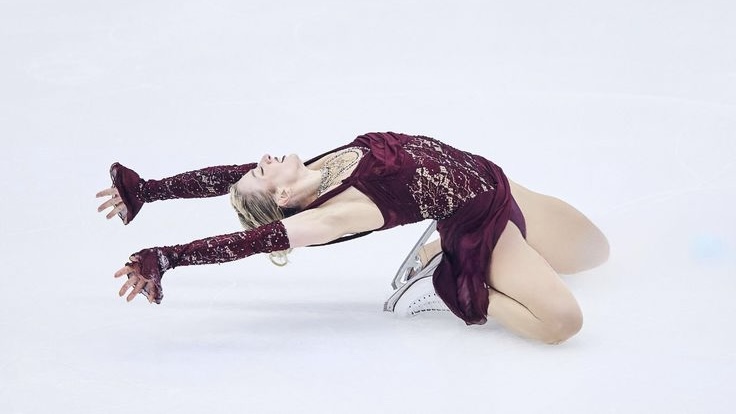
here is everything you need to know about this unique sport that combines raw athleticism with breathtaking artistry. As the Milano Cortina 2026 Winter Olympics begin this week, the ice at the Milano Ice Skating Arena is ready for a new chapter of drama and triumph.
A Journey Through Time
Ice Skating began on frozen lakes in ancient times using blades made of bone. It holds a special place in history as the oldest sport on the Winter Games program, originally debuting in the Summer Olympics of 1908. Today, the International Skating Union (ISU), founded in 1892, remains the oldest winter sports federation in the world.
The Modern Disciplines
Men’s and Women’s Singles: These soloists perform gravity-defying jumps (singles, doubles, triples, and quads), spins, and complex footwork.
Pairs Skating: A high-speed partnership featuring synchronized jumps, dangerous “throw jumps,” and dramatic overhead lifts.
Ice Dance: The “ballroom dancing of the ice.” Unlike Pairs, Ice Dancers do not perform jumps or throws, focusing instead on pure elegance and rhythm.
Figure skating uses the International Judging System (IJS):
Technical Element Score (TES): Points earned for the difficulty and execution of jumps, spins, and lifts.
Program Component Score (PCS): Points for “the intangibles”—choreography, skating skills, and performance.
The Format: Every skater performs twice—a Short Program (2:50) to show required skills, and a Free Skating (4:00) to show their full creative range.
The Fan Guide
Listen for these terms during the broadcast to sound like a pro:
Edges (Inside & Outside): The two sides of the blade. Most moves are defined by whether a skater is leaning on the “inside” (toward the other foot) or “outside” (away from the body) edge.
The “Kiss and Cry”: The decorated area off-ice where skaters sit with their coaches to wait for their scores. It was named for the emotional reactions (kisses of joy or tears of disappointment) seen there.
Twizzle: A series of fast, multi-rotational turns on one foot while moving across the ice—a staple in Ice Dance that looks easy but is incredibly difficult.
The “Quad God”: A nickname for Ilia Malinin (USA), the only human to ever land the quadruple Axel (4.5 rotations) in competition.
Flutz: A slang term for a Lutz jump where the skater accidentally switches to the wrong edge (inside) at takeoff, resulting in a score deduction.
As the lights dim and the first notes of music play, the world watches to see who will etch their name into Olympic history on the ice of Milan.
Achieve More With VSA: Boost your skills with world-class coaches for just $29/hour. Perfect for skaters, hockey players, dancers, and athletes, VSA offers personalized training 24/7, 365 days a year, anywhere in the world.


 English
 中文 (中国)
 Español