

 English
 中文 (中国)
 Español


July 29, 2026
5 Skills Named After Olympic Gymnasts
March 04, 2025
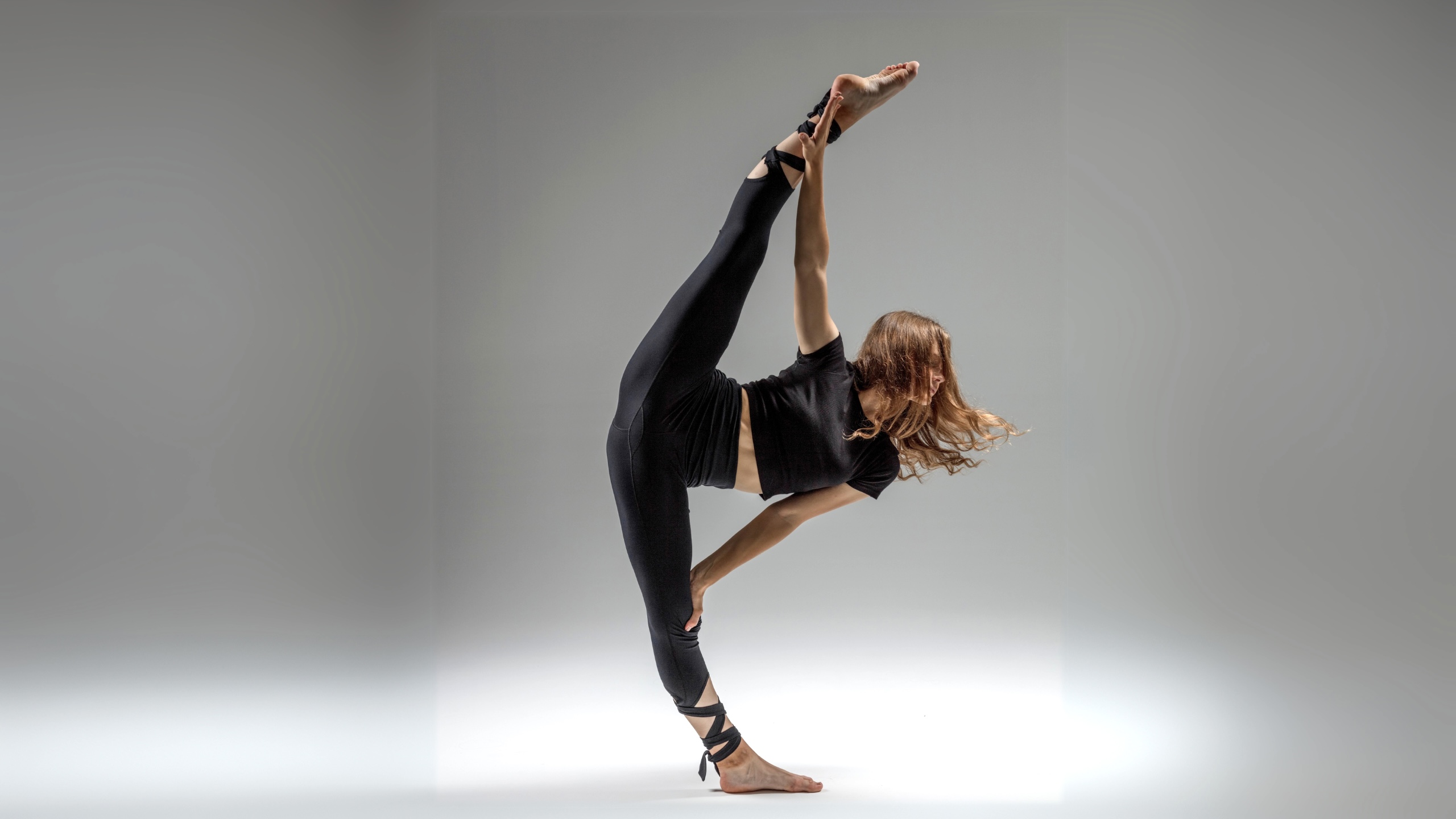
For many fitness enthusiasts, the splits represent the pinnacle of flexibility. It’s a visually impressive feat that demonstrates dedication and body control. However, the question remains: how long does it actually take to achieve the splits? The answer, unfortunately, isn’t a simple one, as it depends on numerous factors.
Understanding the Factors Affecting Progress
Several variables influence how quickly you can achieve the splits. These include your starting flexibility, age, consistency of training, and genetics. Someone naturally flexible might see progress faster than someone starting with limited range of motion. Younger individuals tend to have more pliable muscles and connective tissues, making flexibility gains easier. Moreover, consistent, targeted training is paramount. Sporadic stretching will yield minimal results. Finally, genetics play a role in inherent flexibility; some people are simply predisposed to greater ranges of motion.
A Realistic Timeline: Months, Not Days
Generally, for an average person with moderate flexibility, achieving the splits can take anywhere from a few months to a year or more. This timeframe assumes consistent training, typically several times a week, with a focus on progressive stretching and mobility work. Attempting to rush the process can lead to injuries, setting you back further.

The Importance of Progressive Training and Proper Technique
The key to achieving the splits safely and effectively lies in progressive overload. This means gradually increasing the intensity and duration of your stretches over time. Start with basic stretches that target the hamstrings, hip flexors, and inner thighs. As you become more flexible, introduce more challenging variations and deeper stretches. It’s crucial to prioritize proper technique and avoid pushing yourself beyond your limits. Listen to your body and stop if you feel any sharp pain.
Beyond the Splits: Embracing the Journey
While achieving the splits is a commendable goal, it’s essential to remember that flexibility training is a journey, not a destination. Focus on the process, celebrate your progress, and enjoy the benefits of increased flexibility, such as improved posture, reduced muscle tension, and enhanced athletic performance. Remember, flexibility is not an all or nothing trait. Every inch of progress is a victory. Whether you reach the full splits or simply increase your range of motion, the dedication and effort you put into your flexibility training will undoubtedly pay off in numerous ways.
By Vitalina Andrushchenko, Staff Writer
Competition highlights, industry trends, expert opinions, and stories from athletes and artists worldwide — delivered straight to your inbox


