 English
 中文 (中国)
 Español
February 19, 2026
The Million-Dollar Medal: Alysa Liu’s Olympic Journey
June 10, 2026
When people think of rhythmic gymnastics, they often imagine young athletes performing difficult leaps, pivots, and apparatus routines after years of training.
Because many elite gymnasts begin at a very young age, adults sometimes assume it is too late to start.
The truth is that adults can absolutely learn rhythmic gymnastics.
While reaching the Olympic level may not be a realistic goal for most adult beginners, there are many aspects of rhythmic gymnastics that can be learned and enjoyed at any age.
In recent years, adult rhythmic gymnastics classes have become increasingly popular around the world.
Many adults are attracted to the sport because it combines flexibility, coordination, dance, musicality, strength, and artistic expression.
Unlike traditional fitness programs, rhythmic gymnastics offers a creative way to stay active while learning new skills.
For many participants, the goal is not competition but personal growth and enjoyment.
One of the biggest surprises for adult beginners is how much coordination rhythmic gymnastics requires.
Learning to move with an apparatus while maintaining posture, rhythm, and body control can feel challenging at first.
Simple exercises with a ribbon, hoop, ball, rope, or clubs may require more concentration than expected.
However, most adults improve quickly once they become familiar with the basic movements.
Many people believe they must already be flexible before starting rhythmic gymnastics.
This is a common misconception.
While flexibility is important in the sport, it is something that can be developed gradually over time.
Adult beginners should focus on safe, consistent progress rather than trying to force difficult positions immediately.
Every gymnast starts somewhere.
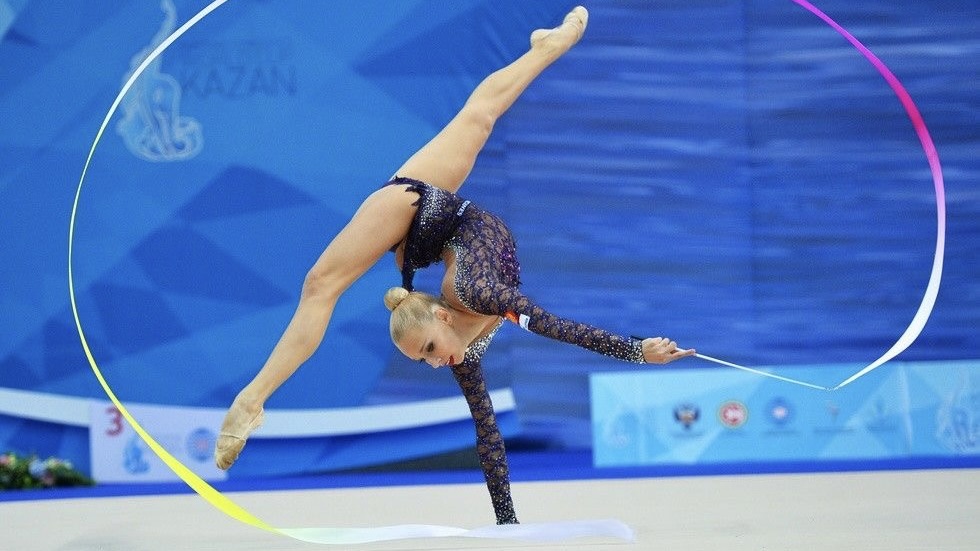
A useful lesson can be learned from Yana Kudryavtseva.
Widely considered one of the most technically refined rhythmic gymnasts in history, Kudryavtseva was known not only for flexibility but also for exceptional apparatus control, timing, and precision.
When analyzing her routines, it becomes clear that success in rhythmic gymnastics is not based solely on extreme flexibility. Her movements were efficient, controlled, and synchronized with the apparatus at every moment.
For adult learners, this demonstrates that coordination and technique are just as important as flexibility.
Most adult beginners start with basic body movements and apparatus handling.
Typical early skills include:
These skills create the foundation for more advanced elements later.
Rhythmic gymnastics develops much more than physical abilities.
Many adults find that training improves concentration, confidence, posture, body awareness, and creativity.
Learning new movement patterns also challenges the brain and can provide a refreshing break from daily routines.
For some people, rhythmic gymnastics becomes a form of active meditation.
Some countries now organize competitions specifically for adult rhythmic gymnasts.
These events allow athletes to perform routines and experience competition regardless of when they started the sport.
However, competition is entirely optional.
Many adults participate purely for enjoyment, fitness, and skill development.
There is no single “correct” way to enjoy rhythmic gymnastics.
If you are considering trying rhythmic gymnastics, keep a few things in mind:
The learning process is often more rewarding than achieving a specific skill.
Adults may not learn exactly like children, but they often bring valuable strengths to training.
Many adult students are highly motivated, disciplined, and able to understand technical corrections quickly.
They also tend to have clearer goals and a stronger appreciation for the learning process.
These qualities can accelerate progress significantly.
Rhythmic gymnastics is not reserved exclusively for children or elite athletes.
Adults can learn apparatus skills, improve flexibility, develop coordination, and experience the artistic side of the sport at any age.
The goal does not need to be becoming a world champion.
For many adults, the greatest reward comes from discovering new abilities, challenging themselves, and enjoying movement in a completely new way.
The best time to start rhythmic gymnastics may not have been years ago—it can be today.
Achieve More With VSA: Boost your skills with world-class coaches for just $29/hour. Personalized programs 24/7, 365 days a year, anywhere in the world.
By Vitalina Andrushchenko, Staff Writer
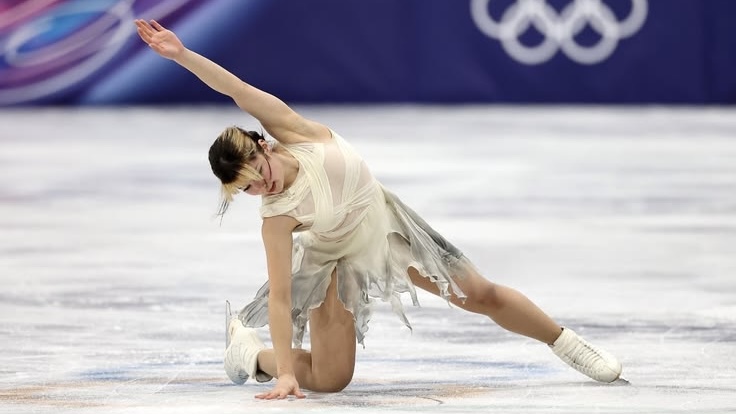
February 19, 2026
The Million-Dollar Medal: Alysa Liu’s Olympic Journey

December 25, 2025
Nancy Kerrigan’s $10 Million Legacy: Success Beyond the Ice
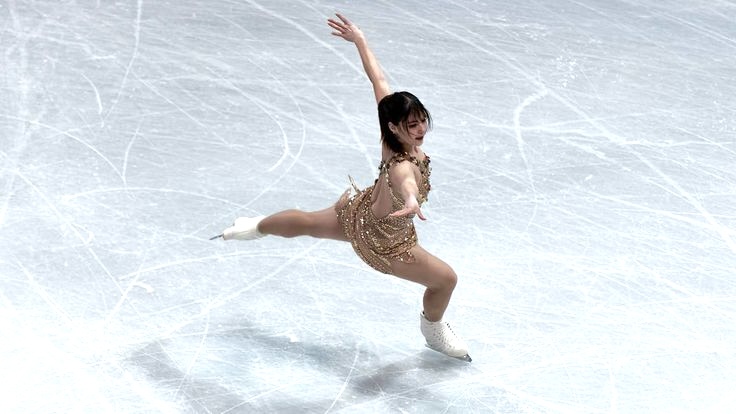
January 08, 2026
2026 U.S. Skating Nationals Results
Competition highlights, industry trends, expert opinions, and stories from athletes and artists worldwide — delivered straight to your inbox