 English
 中文 (中国)
 Español
July 29, 2026
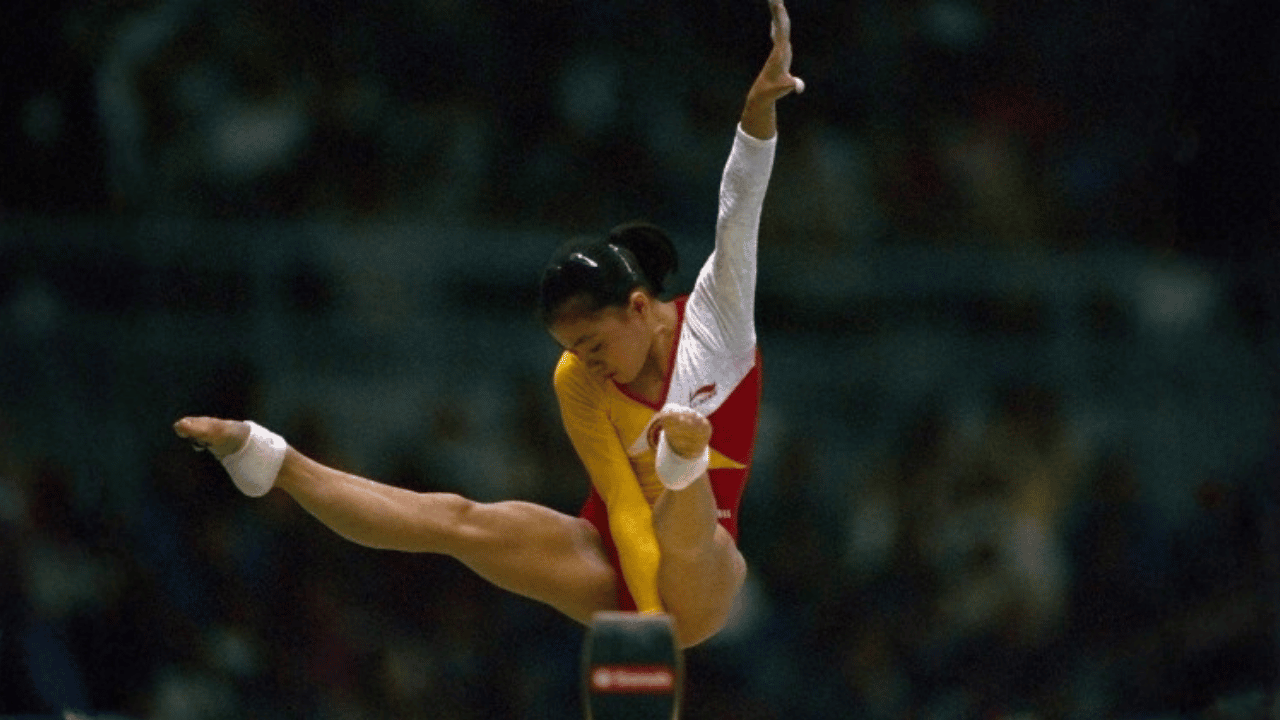
5 Skills Named After Olympic Gymnasts
July 04, 2025

Embarking on a fitness journey often starts with a spark of motivation—a desire to feel stronger, look better, or boost health. But while motivation can ignite the flame, it’s discipline that keeps it burning. Understanding the interplay between these two forces is key to building a sustainable fitness routine that lasts beyond fleeting enthusiasm. Here’s why discipline trumps motivation for long-term success and how to cultivate it for lasting results.
Motivation is the emotional fuel that propels you to start. It might come from a personal goal, like fitting into a favorite outfit, or an external trigger, like an inspiring athlete’s story. Motivation is powerful but fickle—it ebbs and flows with mood, stress, or life’s demands. Research in behavioral psychology shows that motivation relies on dopamine-driven rewards, which are short-lived and inconsistent. When the initial excitement fades, many find themselves struggling to maintain momentum, especially when faced with fatigue or a busy schedule.
Discipline, unlike motivation, is the ability to act consistently regardless of how you feel. It’s showing up for your workout even when you’re tired or prioritizing healthy eating despite a hectic day. Studies in habit formation, such as those published in Frontiers in Psychology (2019), suggest that consistent actions over 66 days can form habits that require less mental effort, reducing reliance on willpower. Discipline builds these habits, creating a framework where fitness becomes part of your routine, not a decision you wrestle with daily.
Leaning solely on motivation can lead to an all-or-nothing mindset. When you’re “inspired,” you might push too hard, risking burnout or injury. When motivation dips, skipped workouts or poor dietary choices can derail progress. This cycle creates frustration, as inconsistent efforts yield inconsistent results. For example, a 2020 study in Health Psychologyfound that individuals who relied on intrinsic motivation alone were 40% more likely to abandon fitness goals within six months compared to those who established structured routines.
To make fitness sustainable, focus on cultivating discipline through practical strategies:
While discipline is the backbone of long-term fitness, motivation still has a role. Use bursts of inspiration to try new activities or push through plateaus, but don’t let them dictate your routine. For instance, if a friend’s marathon sparks motivation, channel it into a disciplined plan rather than an impulsive overhaul. Combining discipline’s structure with motivation’s energy creates a powerful synergy, ensuring you stay committed while enjoying the journey.
Fitness isn’t about waiting for the right mood—it’s about building habits that endure. Motivation may get you started, but discipline carries you through when enthusiasm wanes. By starting small, creating routines, focusing on systems, embracing imperfection, and tracking progress, you can make fitness a seamless part of your life. Let discipline be the steady hand guiding your journey, and you’ll find that long-term success is not just achievable but deeply rewarding.
Achieve More With VSA: Boost your skills with world-class coaches for just $29/hour. Perfect for skaters, hockey players, dancers, and athletes, VSA offers personalized training 24/7, 365 days a year, anywhere in the world.
By Vitalina Andrushchenko, Staff Writer
July 29, 2026
5 Skills Named After Olympic Gymnasts

May 24, 2026
How to Improve Toe Point in Ballet

April 28, 2026
5 Ways to Hold Spin Positions Longer
Competition highlights, industry trends, expert opinions, and stories from athletes and artists worldwide — delivered straight to your inbox