

 English
 中文 (中国)
 Español


July 29, 2026
5 Skills Named After Olympic Gymnasts
August 14, 2025
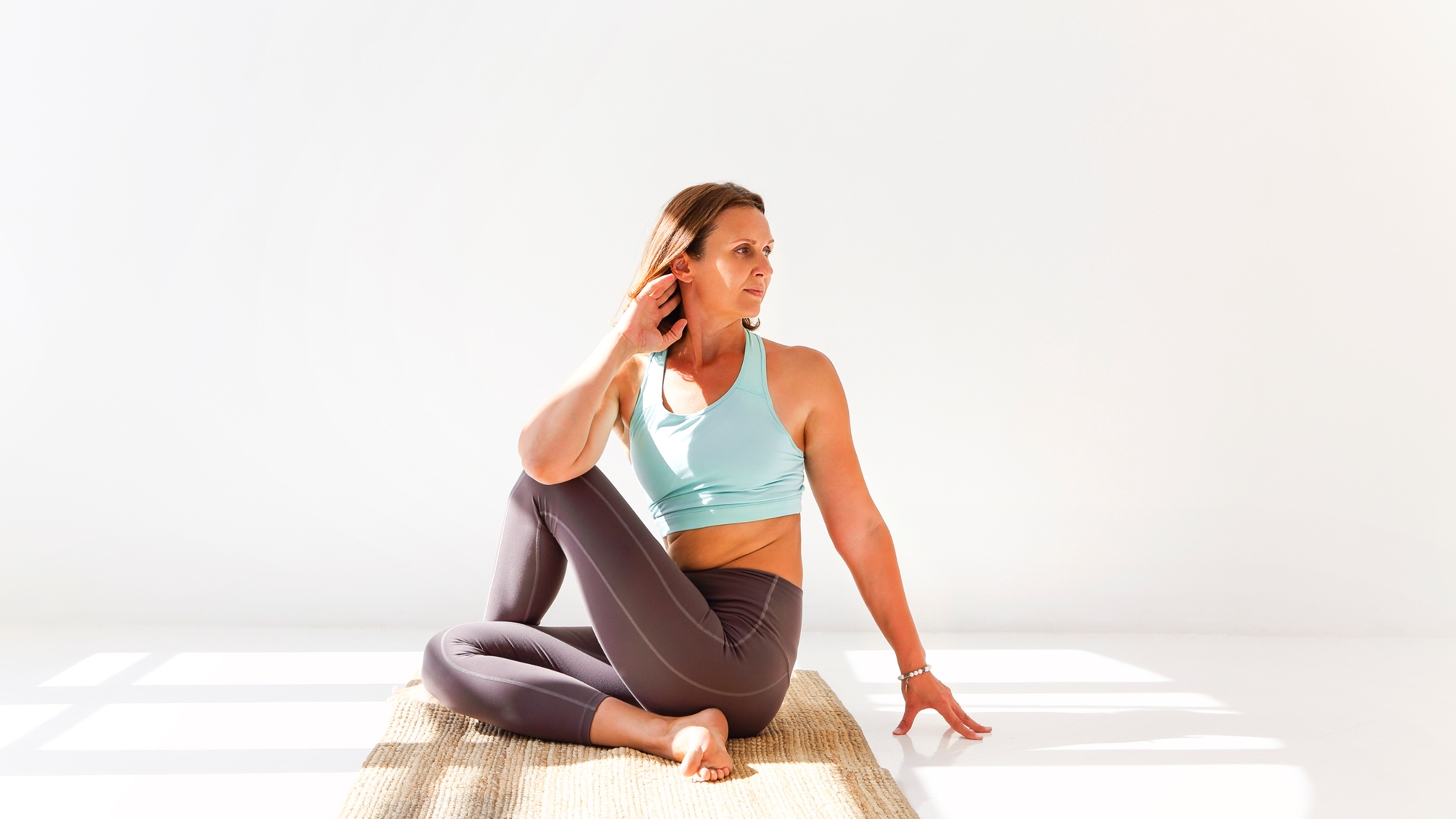
Flexibility is key to moving freely and feeling good, but everyday habits can quietly erode it, leaving you stiffer than you realize. In 2025, as wellness trends emphasize mobility and ease, understanding these subtle culprits can help you reclaim your range of motion. This article highlights five common habits that reduce flexibility and offers simple ways to counteract them, perfect for anyone looking to stay limber in daily life. Consult your doctor before starting any new physical routine, especially if you have joint issues or health concerns.
Sitting for long periods, whether at a desk or on a couch, tightens muscles like the hip flexors and hamstrings. A 2023 Journal of Movement Science study found that sitting over six hours daily reduces hip mobility by up to 15%. This habit shortens muscles over time, limiting your range of motion, per 2025 Wellness Today guides. X users in 2025 note that “desk jobs make my hips feel locked.” Counter this by standing or walking every hour, even for a minute, to loosen muscles and maintain flexibility.
Slouching while standing, sitting, or using devices strains your spine and tightens chest and shoulder muscles. A 2024 Posture and Health Review study showed that poor posture decreases shoulder flexibility by 10% over months. Forward head posture, common with phone use, also stiffens the neck, per 2025 Fitness Essentials tips. X posts complain of “tech neck” reducing mobility. Practice aligning your ears over your shoulders and take short breaks to roll your shoulders back to promote openness and ease.
Dehydration affects muscle elasticity, making them less pliable and more prone to stiffness. A 2023 Nutrition and Mobility Journal study found that low hydration levels reduce muscle flexibility by 12%. Water supports joint lubrication, critical for movement, as noted in 2025 MindBody Flow guides. X users in 2025 share that “drinking more water eased my tight calves.” Aim for 8–10 cups of water daily, adjusting for activity level, to keep tissues supple and support flexibility.
Jumping into physical activity without warming up can strain cold muscles, reducing their elasticity over time. A 2024 Sports Science Journal study reported that skipping warm-ups increases muscle tightness by 18% after repeated sessions. Dynamic movements prepare muscles for stretching, per 2025 Move for Health advice. X posts highlight “feeling stiffer” after neglecting warm-ups. Spend 5–10 minutes on light movements, like arm circles or leg swings, before exercise to maintain and improve flexibility.
Stress triggers muscle tension, particularly in the neck, shoulders, and back, limiting range of motion. A 2023 Behavioral Wellness Journal study found that chronic stress reduces overall flexibility by 10% due to persistent muscle contraction. Relaxation techniques can counteract this, as suggested in 2025 Wellness Today guides. X users in 2025 note that “stress makes my body feel like a board.” Incorporate deep breathing or short mindfulness sessions daily to relax muscles and preserve mobility.
Everyday habits like prolonged sitting, poor posture, inadequate hydration, skipping warm-ups, and chronic stress can silently chip away at your flexibility. By making small adjustments—standing regularly, correcting posture, staying hydrated, warming up, and managing stress—you can protect and enhance your range of motion. In 2025, as wellness prioritizes ease and movement, these simple changes empower you to stay limber, making daily life feel freer and more comfortable.
Achieve More With VSA: Boost your skills with world-class coaches for just $29/hour. Perfect for skaters, hockey players, dancers, and athletes, VSA offers personalized training 24/7, 365 days a year, anywhere in the world.
By Vitalina Andrushchenko, Staff Writer
Competition highlights, industry trends, expert opinions, and stories from athletes and artists worldwide — delivered straight to your inbox


