English
 中文 (中国)
 Español


July 29, 2026
5 Skills Named After Olympic Gymnasts
December 06, 2025

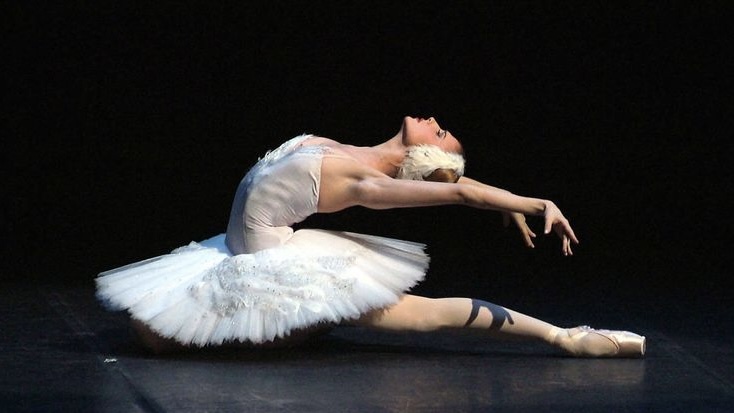
Flexibility isn’t just about stretching muscles — it’s about teaching your body to feel safe in a wider range of motion. Your muscles and fascia are viscoelastic tissues, meaning they respond to temperature, time under tension, and nervous-system signals. When they’re warm, hydrated, and calm, they lengthen more easily. Research shows that flexibility gains come from both mechanical changes in connective tissue and neural adaptations — your brain gradually allows more movement as it recognizes the stretch as safe.
After each stretch, your muscles create microscopic changes in fibers. During recovery, your body repairs and reorganizes these fibers, improving elasticity and range. This process depends heavily on sleep. Deep sleep increases growth hormone, which supports tissue repair. Hydration also affects recovery — fascia becomes stiff and sticky when dehydrated, which decreases mobility. Think of recovery as the “secret work” that makes every next stretch easier.
Warmth increases blood circulation and helps tissues behave more elastically. When your muscles are warmed, the internal fluid inside the fascia moves more freely, reducing resistance. The increased blood flow brings more oxygen to the area, which supports relaxation. This is why stretching in a warm environment, after a warm shower, or with light movement beforehand can immediately deepen your flexibility without forcing anything.
Your nervous system is the biggest gatekeeper of flexibility. The feeling of tightness often isn’t physical shortening — it’s your brain activating the stretch reflex, a protective reaction that tightens the muscle if it thinks you’re going too far. Slow, steady breathing decreases the activity of this reflex. Long exhales activate the parasympathetic nervous system, signaling safety. When your body is relaxed, the stretch reflex calms down, allowing a deeper, more comfortable stretch.
Flexibility progresses through repeated exposure, not occasional long sessions. Short, regular stretching sessions retrain both tissues and neural pathways. The more consistently you signal safety to your nervous system, the more range it will allow. Over time, tissues become more compliant, fascia glides better, and stretching feels smoother instead of painful or forced.
Stress increases muscle tension through the release of cortisol and activation of the sympathetic nervous system. When your mind is tense, your body tightens as well. Calm music, soft lighting, or gentle breathing before stretching can quickly reduce stress signals, letting your body relax deeper. Your emotional state is directly connected to your physical flexibility.
With good sleep, regular hydration, warmth, calm breathing, and consistency, your body opens up faster and deeper — without needing to push, struggle, or overtrain. Your flexibility improves not just because your muscles change, but because your whole system learns to trust the movement.
Achieve More With VSA: Boost your skills with world-class coaches for just $29/hour. Perfect for skaters, hockey players, dancers, and athletes, VSA offers personalized training 24/7, 365 days a year, anywhere in the world.
By Vitalina Andrushchenko, Staff Writer
Competition highlights, industry trends, expert opinions, and stories from athletes and artists worldwide — delivered straight to your inbox