

 English
 中文 (中国)
 Español


July 29, 2026
5 Skills Named After Olympic Gymnasts
November 06, 2025
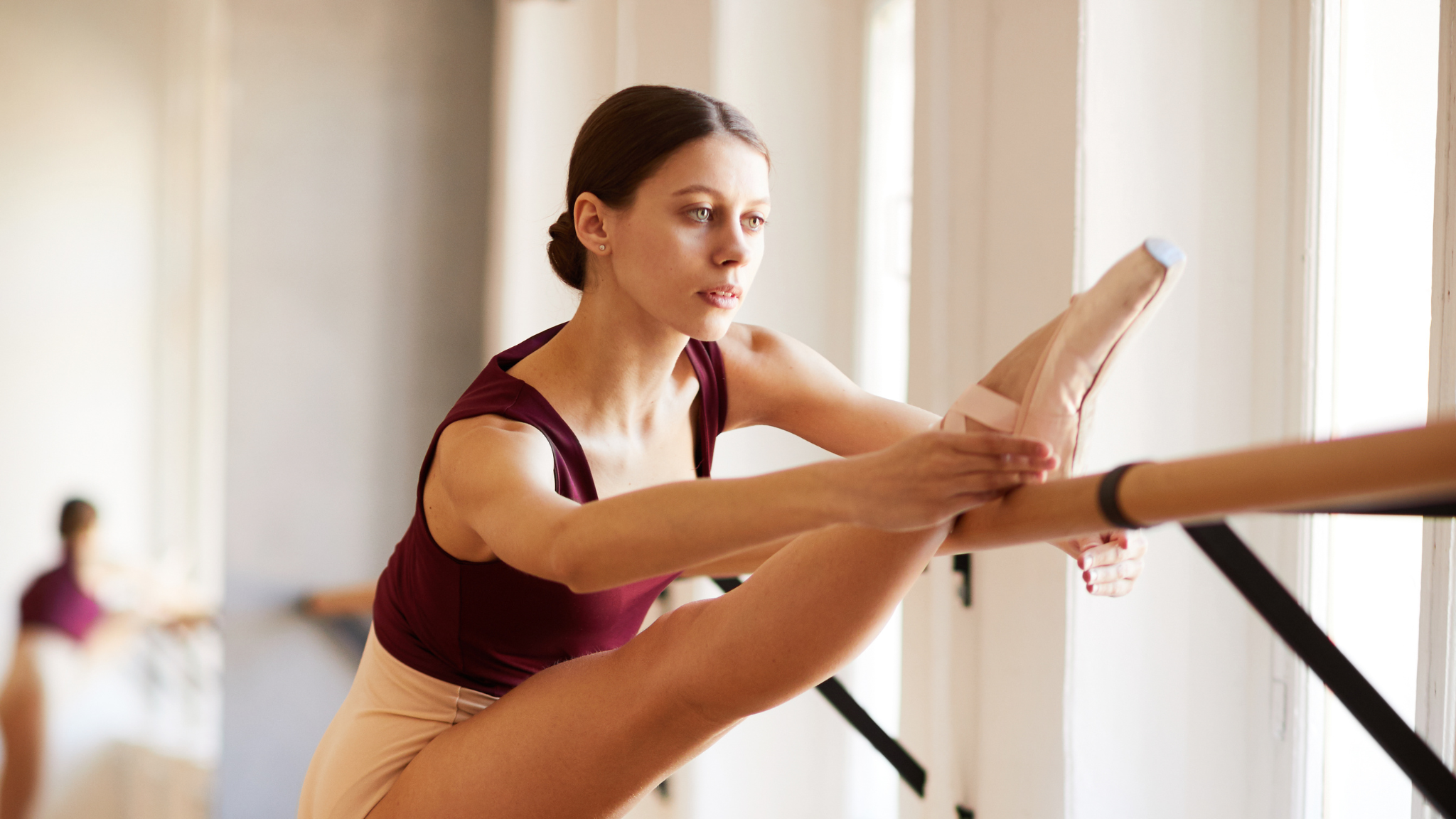
Ballet has long been seen as an art of elegance — poised dancers moving effortlessly to music. But beyond its beauty, ballet is also a scientifically proven way to improve physical health, mental clarity, and emotional balance. And the best part? It’s never too late to start. Whether you’re 10, 30, or 60, ballet offers something unique for every stage of life.
Recent studies have shown that ballet is one of the most effective forms of full-body exercise. A 2023 review published in Frontiers in Psychology found that dance-based exercise — especially ballet — improves coordination, balance, muscle strength, and flexibility while reducing the risk of falls and joint stiffness in adults.
Because ballet combines aerobic activity, strength training, and cognitive challenge, it stimulates multiple parts of the brain at once. Learning new choreography improves neuroplasticity — your brain’s ability to form new connections — which helps with memory, focus, and even emotional regulation.
Physiologically, ballet enhances postural alignment and core stability, activating deep stabilizing muscles often neglected in traditional workouts. Controlled movements at the barre build long, lean muscle tone without strain, making ballet a safe and sustainable option even for beginners or older adults.
Psychologically, ballet triggers the release of endorphins and dopamine, chemicals responsible for happiness and motivation. In fact, researchers from the University of Hertfordshire found that dancers show higher levels of body awareness and emotional resilience compared to non-dancers.
The first class can be both exciting and humbling. You’ll be asked to stand tall, engage your core, and pay attention to muscles you rarely notice. You might wobble in balance exercises or feel confused by the French terms — and that’s completely normal.
With time, your body will adapt. Movements like pliés (bending) and tendus (stretching) gently awaken coordination, while port de bras (arm movements) open the chest and improve breathing. After several weeks, you may notice not only physical changes — stronger legs, better posture — but also a mental shift: more focus, more calm, and a sense of pride in what your body can do.
Ballet progress happens quietly. You might not notice big changes day to day, but every class strengthens your foundation.
Here’s how to keep going:
And most importantly — don’t compare yourself. Everyone’s body and pace are different. Ballet rewards patience, not perfection.
With regular practice, ballet starts to influence more than movement.
You might find yourself walking taller, sitting straighter, or expressing yourself with more confidence. Ballet teaches presence — the ability to connect breath, body, and emotion — a skill that can carry into work, parenting, or everyday life.
Many adults describe ballet as a form of moving meditation. When you focus on your alignment, rhythm, and grace, stress melts away. Over time, you’ll notice how it cultivates not just flexibility, but also mindfulness and inner strength.
While ballet is a beautiful way to strengthen both body and mind, it’s essential to learn under the guidance of a qualified coach, especially in the beginning. Proper technique prevents injury and ensures your movements are safe and effective.
So whether your goal is to move gracefully, reconnect with your body, or simply try something new — take that first step toward the barre.
You might just discover a version of yourself you’ve never met before.
Achieve More With VSA: Boost your skills with world-class coaches for just $29/hour. Perfect for skaters, hockey players, dancers, and athletes, VSA offers personalized training 24/7, 365 days a year, anywhere in the world.
By Vitalina Andrushchenko, Staff Writer
Competition highlights, industry trends, expert opinions, and stories from athletes and artists worldwide — delivered straight to your inbox


