

 English
 中文 (中国)
 Español


July 29, 2026
5 Skills Named After Olympic Gymnasts
May 02, 2025
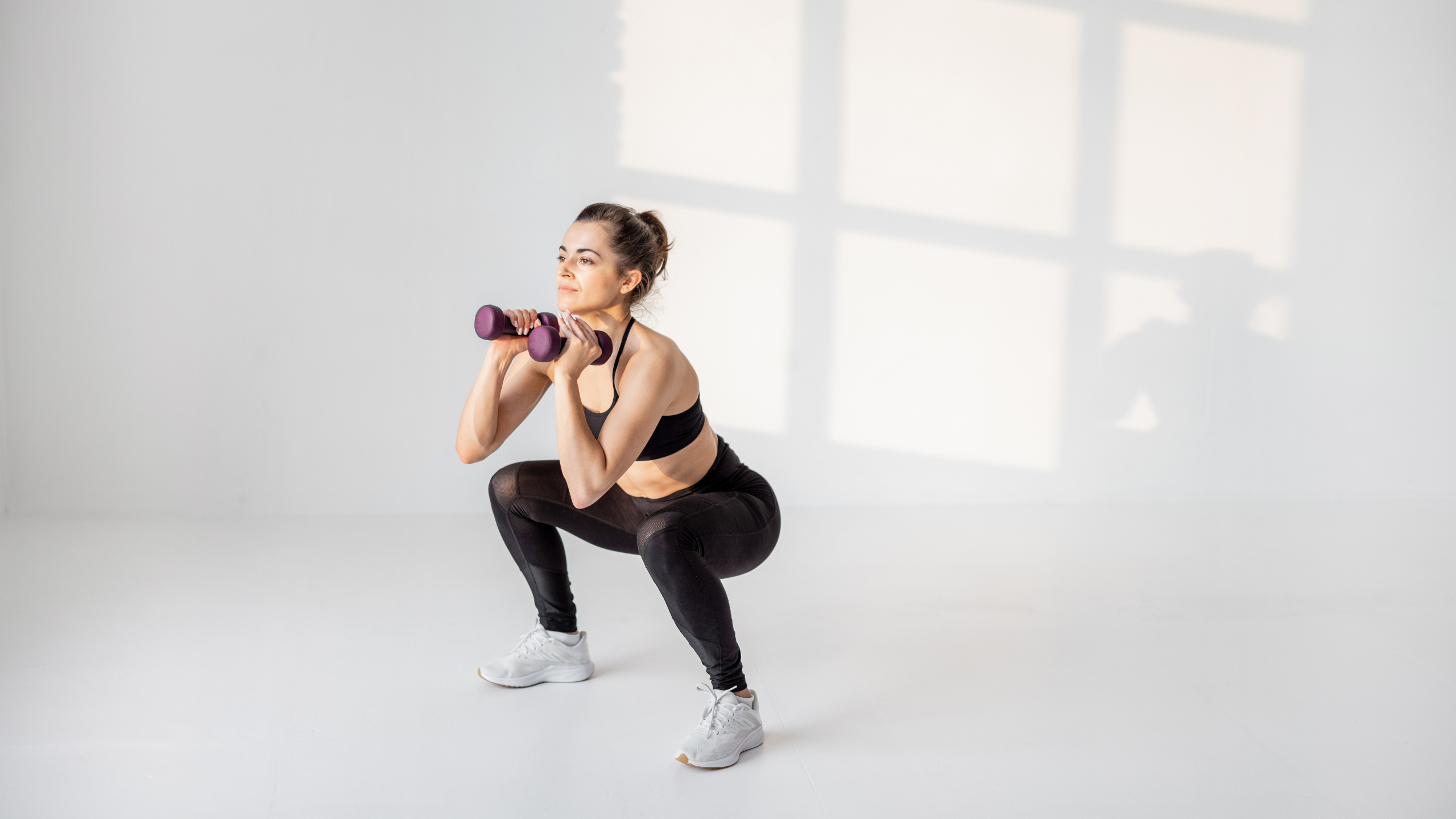
Embarking on a fitness journey as a beginner can be both exciting and overwhelming. With countless workout options, diets, and advice, knowing where to start is key to building a sustainable routine. Fitness offers physical and mental benefits, from improved strength to reduced stress, and is achievable for anyone willing to take the first step. Backed by exercise science and health research, this article provides practical guidance on starting a fitness routine, setting realistic expectations, and navigating the early stages of your journey.
Regular physical activity enhances overall health and quality of life. A 2019 Journal of Physical Activity and Health study found that 150 minutes of weekly moderate exercise improves cardiovascular health by 20%, boosts mood by 15%, and reduces chronic disease risk by 25%. For beginners, fitness builds strength, increases energy, and fosters confidence, with a 2020 Psychology of Sport and Exercise study noting a 20% increase in self-esteem after 8 weeks of consistent exercise. No matter your age or fitness level, starting small leads to lasting benefits.
As a beginner, focus on creating a manageable routine that fits your lifestyle. Here are evidence-based steps to get started:
Define why you want to get fit—whether it’s improving health, building strength, or boosting energy. Use the SMART framework (Specific, Measurable, Achievable, Relevant, Time-bound). For example, “Walk 30 minutes, 5 days a week for 4 weeks” is more actionable than “Get in shape.” A 2021 Journal of Behavioral Medicine study found that specific goals increase adherence by 30%.
Understand your current fitness level to choose appropriate activities. A 2019 Sports Medicine study recommends beginners start with low-impact exercises to reduce injury risk by 15%. Consult a doctor if you have health conditions, then try simple tests like walking a mile or holding a plank to gauge endurance and strength.
Enjoyment drives consistency. A 2020 Journal of Health Psychology study showed that people who enjoy their workouts are 25% more likely to stick with them. Try a mix of:
Begin with 2–3 workouts per week, 20–30 minutes each, to avoid burnout. A 2021 Journal of Strength and Conditioning Research study found that gradual progression reduces injury risk by 20% and improves fitness by 15% in 6 weeks. Increase duration or intensity by 10% weekly, such as adding 5 minutes to walks or an extra set of exercises.
Correct technique prevents injuries and maximizes benefits. A 2019 Journal of Sports Sciences study noted that proper form reduces strain risk by 15%. Use online tutorials, apps, or trainers to learn movements like squats or lunges. Start with bodyweight exercises before adding weights to build confidence.
Incorporate cardio, strength, and flexibility for overall fitness. The American College of Sports Medicine recommends:
Monitor workouts, energy levels, or measurements like resting heart rate to stay motivated. A 2020 Journal of Behavioral Medicine study found that tracking progress increases adherence by 20%. Use a journal, app, or wearable device to log activities and celebrate milestones, like completing a week of workouts.
Starting a fitness routine brings physical and mental changes, but it’s important to manage expectations:
Starting a fitness journey as a beginner is a powerful step toward better health and confidence. By setting realistic goals, choosing enjoyable activities, and progressing gradually, you can build a sustainable routine that fits your life. Expect early challenges like soreness or time constraints, but with consistency, you’ll see improvements in strength, energy, and mood within weeks. Embrace the process, celebrate small wins, and let fitness become a rewarding part of your lifestyle. Take that first step today—your stronger, healthier self is waiting.
By Vitalina Andrushchenko, Staff Writer
Competition highlights, industry trends, expert opinions, and stories from athletes and artists worldwide — delivered straight to your inbox


