

 English
 中文 (中国)
 Español


July 29, 2026
5 Skills Named After Olympic Gymnasts
March 16, 2025
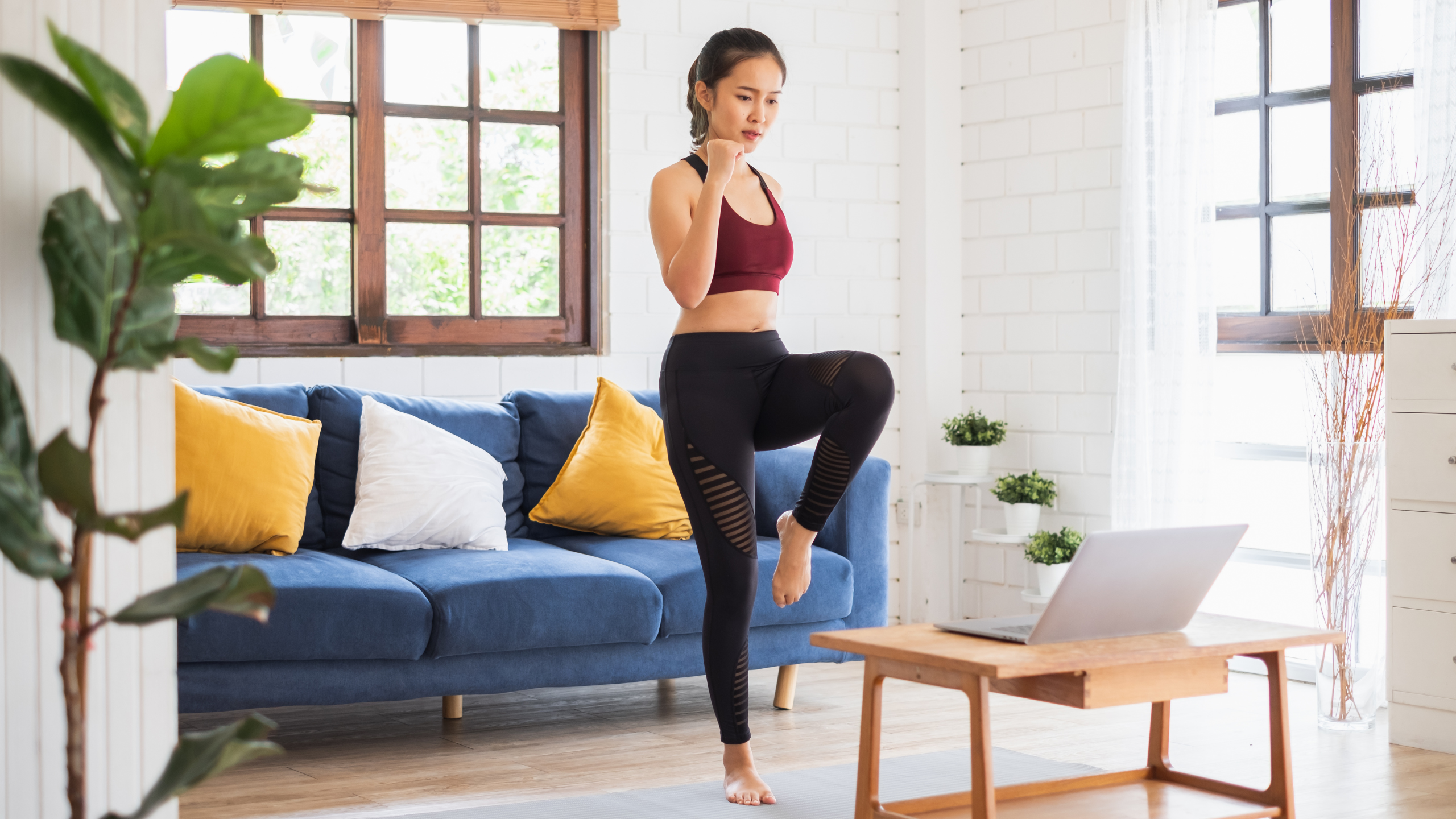
Want to thrive well into your later years? Fitness isn’t just about looking good now—it’s a ticket to a vibrant, active old age. Science shows that targeted exercise can boost long-term health, keeping you strong, mobile, and independent. Here’s how to train for longevity with key benefits backed by research.
Muscle mass naturally declines after age 30—about 3-8% per decade—accelerating after 60, per a 2019 Journal of Gerontology study. This “sarcopenia” weakens bones and raises fall risk. Strength training, like lifting weights or bodyweight squats, fights back. A 2021 British Journal of Sports Medicine review found that regular resistance exercise increases muscle mass by up to 15% in older adults, cutting frailty risk and supporting metabolism.
Cardiovascular health is a longevity cornerstone. A 2022 Circulation study linked 150 minutes of weekly moderate cardio—like brisk walking or cycling—to a 20% lower risk of heart disease and stroke in seniors. It boosts blood flow, lowers blood pressure, and keeps arteries flexible, ensuring oxygen reaches every cell for decades.
Flexibility wanes with age, stiffening joints and shrinking range of motion. Stretching or yoga can reverse this. A 2020 Journal of Aging and Physical Activity study showed that 10 minutes of daily stretching improves mobility by 12% in older adults, reducing injury risk and easing daily tasks like bending or reaching.
Falls are a top cause of injury past 65, but balance training helps. Tai chi or single-leg stands strengthen stabilizing muscles and sharpen proprioception (body awareness). A 2018 Clinical Interventions in Aging study found that balance exercises cut fall rates by 23%, keeping you upright and confident.
Exercise isn’t just physical—it’s mental. A 2023 Neurobiology of Aging study revealed that regular aerobic activity grows the hippocampus (memory hub) by 2% in older adults, delaying cognitive decline. Moving keeps your mind sharp, staving off dementia and boosting mood via endorphins.
Aim for a mix: 2-3 days of strength training, 150 minutes of cardio weekly, and daily 10-minute stretches or balance drills. Start light—bodyweight moves or a slow walk—and build up. Consistency beats intensity; a 2022 Sports Medicine analysis showed moderate, regular exercise outperforms sporadic hard sessions for longevity.
Training for longevity builds a body that lasts—strong muscles, a resilient heart, limber joints, steady balance, and a clear mind. Science proves it’s never too late: even starting at 70 yields benefits within months. Move now, and your future self will thank you.
By Vitalina Andrushchenko, Staff Writer
Competition highlights, industry trends, expert opinions, and stories from athletes and artists worldwide — delivered straight to your inbox


