 English
 中文 (中国)
 Español
July 29, 2026
5 Skills Named After Olympic Gymnasts
October 03, 2026
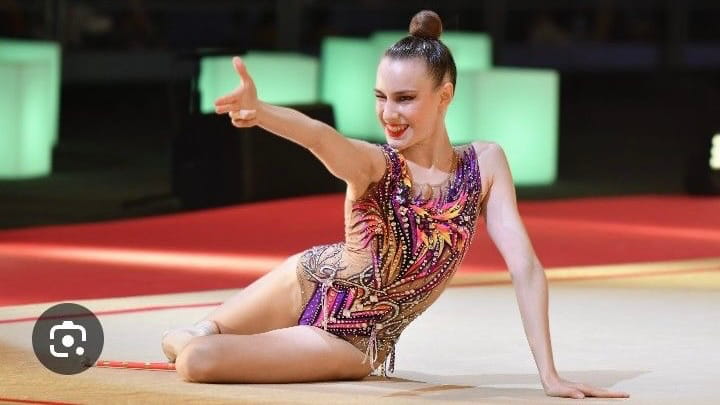
Your first rhythmic gymnastics class is a big step, and it is normal to feel a mix of excitement and nerves. Maybe you have watched gymnasts spin a ribbon or toss a hoop and thought, “I could never do that.” Every one of them once stood where you are standing now, in a new gym, with a new apparatus in their hands. Here are the five most important things to know before you walk in, and a few stories to keep you inspired.
Rhythmic gymnastics combines ballet, dance, flexibility, and apparatus handling, all set to music. Gymnasts perform routines with a hoop, ball, clubs, ribbon, or rope, and each routine mixes jumps, balances, and turns with throws and catches. It joined the Olympic Games in 1984 as an individual event, and the group event followed in 1996. In class, you will not start with big throws. You will start with the basics: posture, simple movements, and getting to know your apparatus.
You do not need to be flexible, strong, or experienced to start. Rhythmic gymnastics builds all of that over time, and your coach expects beginners to feel a little awkward. Nobody in the room is judging your first split or your first catch. They are all remembering their own first day.
Wear something comfortable that lets you stretch and move freely, such as a fitted top, leggings or shorts, and a hair tie to keep your hair away from your face. Most gyms practice barefoot or in soft gymnastics shoes, so ask what your class prefers. Bring a water bottle and a small towel. Skip jewelry, because rings and necklaces can get caught in a ribbon or rope.
Your coach will start with a warm-up, and this part matters more than it seems. Gentle movement wakes up your muscles, protects your joints, and prepares your body for stretching. Follow the pace of the group, and never force a stretch. A good stretch feels like a mild pull, and sharp pain means it is time to ease off and tell your coach.
Hoops roll away, balls bounce in the wrong direction, and ribbons tangle. This is not a sign that you are bad at it, because dropping things is simply how everyone learns. Each drop teaches your hands something about timing and control. Laugh about it, pick the apparatus up, and try again.
Progress in this sport comes in small steps, such as a steadier balance, a smoother roll, or a catch you did not think you would make. Notice these moments and give yourself credit for them. After class, take a minute to think about one thing that went well. This habit keeps you motivated on the days when the work feels hard.
The champions you admire began with the same wobbly balances and dropped hoops. Alina Kabaeva of Russia won the Olympic all-around title in 2004 and became one of the most recognized faces of the sport. Evgenia Kanaeva, also from Russia, won Olympic all-around gold in 2008 and again in 2012, known for her calm, precise style. The twin sisters Dina and Arina Averina became world champions and pushed the sport toward more difficult elements.
More recently, Linoy Ashram of Israel won Olympic all-around gold at the Tokyo Games, a moment that inspired young gymnasts far beyond her own country. Darja Varfolomeev of Germany then took Olympic all-around gold in Paris in 2024, showing that the top of the podium belongs to gymnasts from many countries. Their stories share one thing: years of patient, regular practice, built on the very same first class you are about to take.
After your first class, a few small habits will help you improve. Stretch gently for a few minutes at home, drink plenty of water, and get enough sleep, because your body learns and recovers while you rest. Write down one thing your coach told you, such as “keep your shoulders down” or “point your toes,” and think of it while you move around your day. Come back to your next class with that one idea, and you will already be ahead.
Remember that grace and confidence are built one class at a time. Listen to your coach, be patient with your body, and enjoy the music and movement. You are not walking in to be perfect, you are walking in to begin. Take a deep breath, smile, and step onto the floor.
Achieve More With VSA: Boost your skills with world-class coaches for just $29/hour. Personalized programs 24/7, 365 days a year, anywhere in the world.
By Vitalina Andrushchenko, Staff Writer
July 29, 2026
5 Skills Named After Olympic Gymnasts
May 24, 2026
How to Improve Toe Point in Ballet

April 28, 2026
5 Ways to Hold Spin Positions Longer
Competition highlights, industry trends, expert opinions, and stories from athletes and artists worldwide — delivered straight to your inbox