

 English
 中文 (中国)
 Español


July 29, 2026
5 Skills Named After Olympic Gymnasts
April 18, 2026
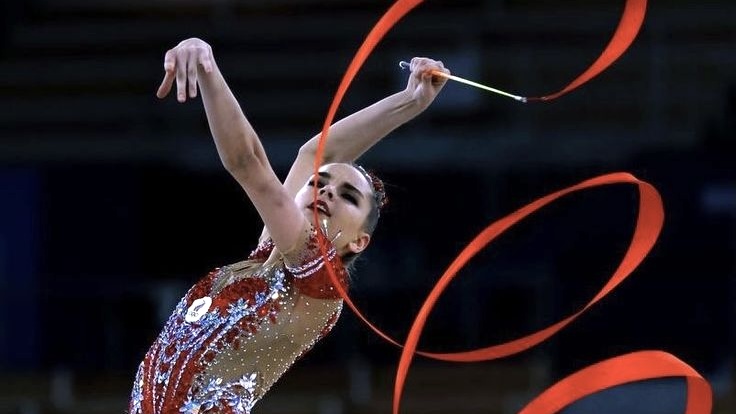
In rhythmic gymnastics, choreography is not just decoration around technical elements — it is a core component of how routines are evaluated. While many students focus primarily on flexibility, apparatus handling, and difficulty, choreography plays a critical role in how judges perceive the entire performance.
Understanding how choreography affects scores can help gymnasts move from simply completing routines to truly performing them at a higher level.
A well-designed routine is built with intention. Every movement, transition, and formation contributes to the overall composition. Judges are not only looking at isolated skills, but at how those skills are connected and presented.
Strong choreography creates a clear structure. It guides the audience’s attention, builds rhythm, and ensures that the routine feels complete rather than fragmented. When choreography is weak or inconsistent, even technically strong elements can appear less impressive.
One of the most important aspects of choreography is musicality. In rhythmic gymnastics, movements must reflect the character, tempo, and accents of the music.
This means that:
When choreography is closely connected to the music, the routine feels natural and expressive. When it is not, the performance can seem disconnected, which may affect artistic scores.
Transitions are often overlooked by beginners, but they are essential for scoring. Judges pay attention to how smoothly a gymnast moves from one element to another.
High-quality choreography avoids unnecessary pauses or rushed connections. Instead, it creates continuous movement, where each element flows logically into the next.
This flow not only improves the visual quality of the routine but also demonstrates control and professionalism.
Choreography also determines how the gymnast uses the floor space. Moving in varied directions, levels, and pathways makes the routine more dynamic and engaging.
Additionally, choreography highlights body lines. Clean arm positions, extended legs, and precise shapes all contribute to the overall impression. Even simple movements can score higher when performed with clarity and intention.
To understand the impact of choreography at an elite level, it is useful to observe performances by Dina Averina. Her routines are known not only for technical difficulty, but also for their detailed and expressive choreography.
In her performances, every movement is connected to the music, creating a strong sense of rhythm and character. Transitions are seamless, with no visible breaks between elements. She uses the entire floor space effectively, combining large dynamic movements with precise, controlled details.
What stands out most is how choreography enhances her technical skills. Difficult elements appear more impressive because they are integrated into a coherent artistic structure. This demonstrates that choreography is not separate from technique — it amplifies it.
For students, improving choreography does not always mean adding more complexity. Instead, it involves refining how movements are performed and connected.
Focusing on musicality, clean transitions, and intentional movement can significantly improve overall scores. Working closely with coaches to understand the purpose behind each part of the routine also helps develop stronger performances.
It is important to practice choreography as carefully as technical elements. Repetition builds confidence, allowing gymnasts to perform with greater expression and control.
In rhythmic gymnastics, high scores are not achieved through difficulty alone. They come from the combination of technique, artistry, and composition.
Choreography is what brings all these elements together. It transforms a routine from a sequence of skills into a complete performance that communicates with both judges and audience.
Achieve More With VSA: Boost your skills with world-class coaches for just $29/hour. Personalized programs 24/7, 365 days a year, anywhere in the world.
By Vitalina Andrushchenko, Staff Writer
Competition highlights, industry trends, expert opinions, and stories from athletes and artists worldwide — delivered straight to your inbox


