

 English
 中文 (中国)
 Español


July 29, 2026
5 Skills Named After Olympic Gymnasts
May 28, 2025
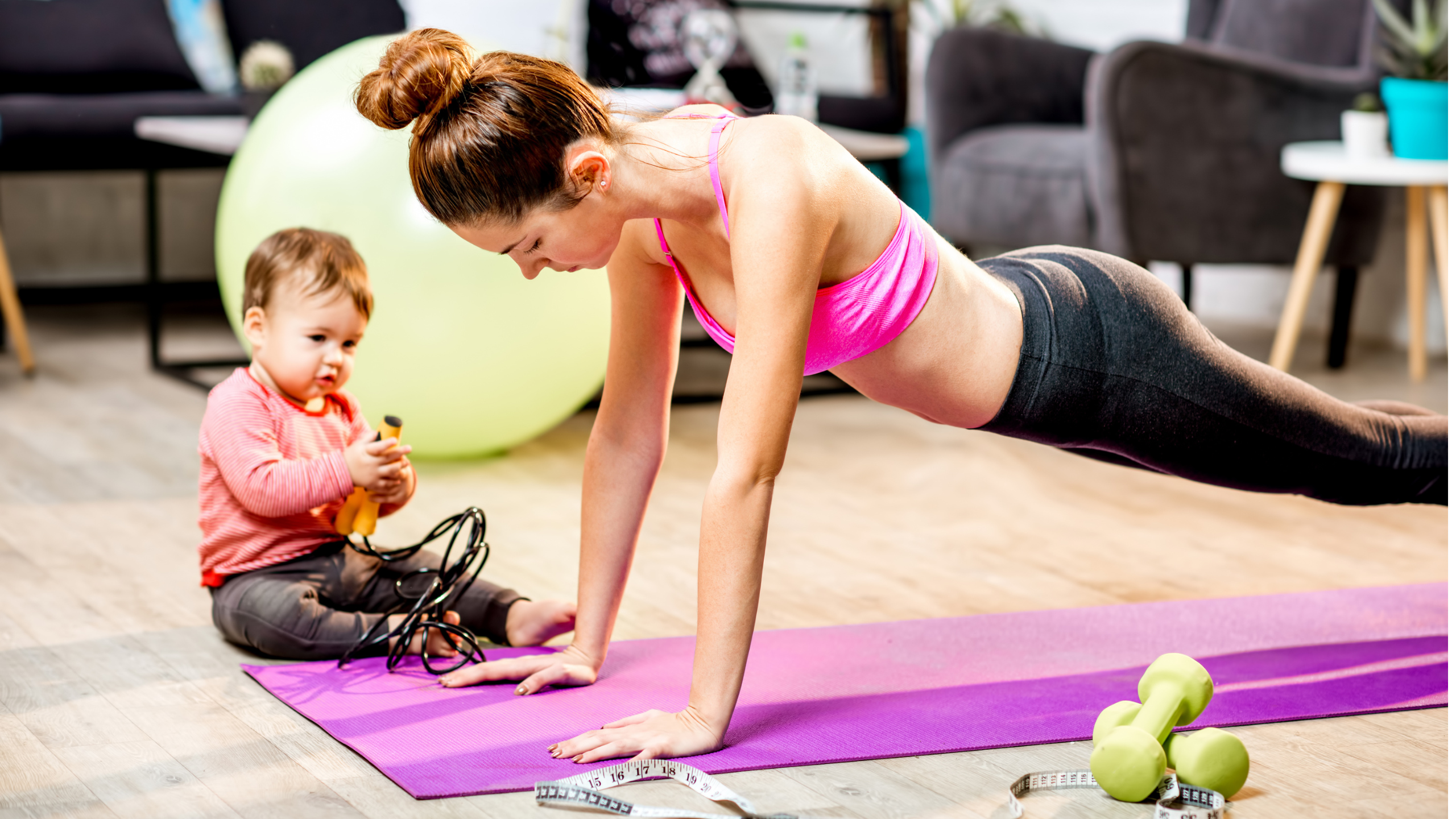
The postpartum period is a transformative time filled with joy, challenges, and physical changes. After pregnancy, many new mothers seek ways to regain strength, boost energy, and feel like themselves again. Fitness, when approached safely and gradually, is a powerful tool to support recovery, improve mental health, and enhance overall well-being. A 2020 Journal of Women’s Health study found that postpartum fitness improves physical function by 15% and reduces fatigue by 12% in new mothers. Whether you’re navigating sleepless nights or adjusting to motherhood, fitness can help you reclaim your vitality. This article explores five key ways fitness aids recovery after pregnancy, backed by science, along with practical tips to start safely.
Pregnancy and childbirth stretch and weaken the core muscles and pelvic floor, leading to issues like lower back pain or incontinence. Gentle fitness routines can restore these areas. A 2019 Journal of Physical Therapy Science study showed that targeted postpartum fitness strengthens core muscles by 12% and pelvic floor function by 10% within 12 weeks. This helps new mothers move comfortably and reduces discomfort during daily tasks like lifting a baby.
Caring for a newborn often leaves mothers exhausted, with disrupted sleep amplifying fatigue. Fitness increases blood flow and oxygen delivery, countering sluggishness. A 2018 Journal of Sports Sciences study found that moderate postpartum fitness boosts energy levels by 10% and improves sleep quality by 8% in new mothers. Even short sessions can recharge your body, helping you tackle parenting demands.
Postpartum life can bring emotional highs and lows, with 1 in 7 mothers experiencing postpartum depression, per a 2020 American Journal of Obstetrics & Gynecology study. Fitness triggers endorphin release, a natural mood enhancer. A 2019 Journal of Health Psychology study showed that fitness reduces stress by 12% and depressive symptoms by 10% in postpartum women, fostering emotional resilience and mindfulness.
Pregnancy alters posture and joint alignment, often causing stiffness or discomfort. Fitness, particularly stretching and mobility-focused activities, restores flexibility. A 2018 Journal of Physical Therapy Science study found that postpartum fitness improves joint mobility by 10% and reduces muscle stiffness by 12%. This makes everyday movements—like bending, carrying, or walking—easier and more comfortable.
Many mothers aim to return to their pre-pregnancy weight, but the focus should be on health, not pressure. Fitness helps burn calories and build muscle, aiding gradual weight management. A 2019 Journal of Women’s Health study found that postpartum fitness supports a 10% improvement in body composition within 6 months, promoting sustainable health without crash diets.
Fitness after pregnancy is a powerful way to rebuild strength, boost energy, improve mood, enhance mobility, and support healthy weight management. Backed by studies showing 10–12% improvements in physical and mental health, it’s a gentle, effective tool for new mothers to reclaim their vitality. By starting slowly, seeking medical guidance, and making fitness a part of your routine, you can navigate the postpartum period with confidence and resilience. Embrace fitness as a gift to yourself, nurturing your body and mind as you embrace motherhood.
By Vitalina Andrushchenko, Staff Writer
Competition highlights, industry trends, expert opinions, and stories from athletes and artists worldwide — delivered straight to your inbox


