

 English
 中文 (中国)
 Español


July 29, 2026
5 Skills Named After Olympic Gymnasts
March 04, 2025
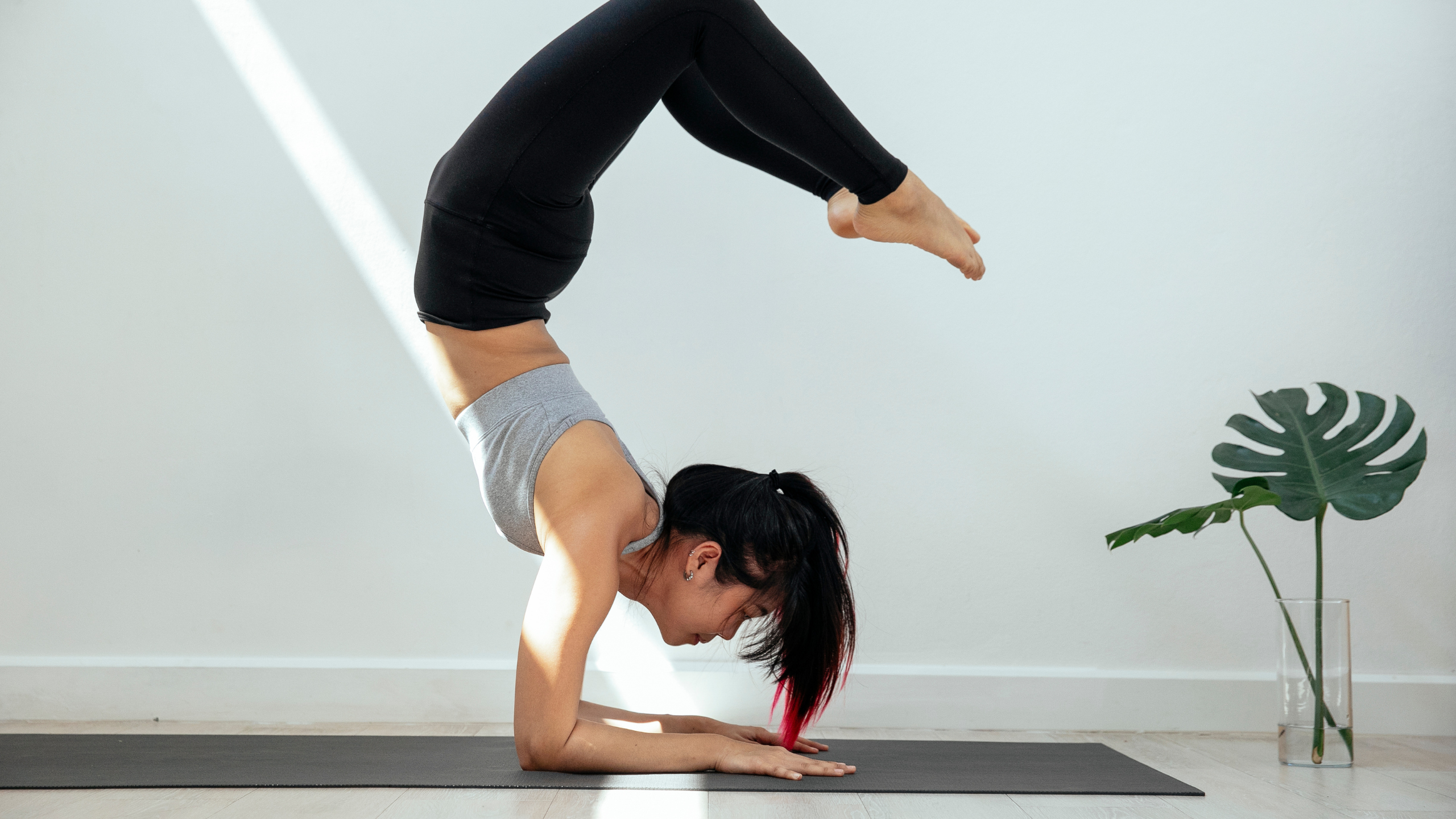
For fitness enthusiasts, pushing physical limits is often the goal. However, neglecting flexibility can lead to unexpected setbacks, including headaches. While many attribute headaches to stress or diet, muscle tension, particularly in the neck and shoulders, is a common trigger. Integrating flexibility exercises into your routine can be a powerful tool in preventing and alleviating these tension-related headaches.
The Tension Headache Connection: Tight Muscles, Tight Head
Tension headaches, the most common type, frequently stem from muscle tightness in the neck, shoulders, and upper back. This tightness can restrict blood flow and irritate nerves, leading to pain that radiates to the head. Fitness routines that emphasize strength training without adequate stretching can exacerbate this issue. Repetitive movements, poor posture during workouts, and even the stress of intense training can contribute to muscle tension. Incorporating targeted flexibility exercises can release this tension, easing the pathway to a headache-free day.
Stretching for Relief: Targeted Exercises for Headache Prevention
Specific stretches can effectively target the muscles responsible for tension headaches. Neck stretches, such as gentle head tilts and rotations, can release tightness in the cervical spine. Shoulder stretches, including arm circles and shoulder blade squeezes, can alleviate tension in the trapezius muscles. Upper back stretches, like cat-cow poses or chest openers, can improve posture and reduce strain. Holding stretches for 20-30 seconds, and repeating them several times a day, particularly after workouts, can significantly reduce muscle tension and the likelihood of headaches. Integrating these stretches into a regular warm-up and cool-down routine is crucial for long-term prevention.

Beyond Stretching: Holistic Flexibility for Headache Management
While targeted stretches are beneficial, a holistic approach to flexibility can provide even greater relief. Practices like yoga and Pilates, which combine stretching with controlled movements and deep breathing, can improve overall flexibility, posture, and stress management. These disciplines promote body awareness and teach techniques for releasing tension throughout the body. Foam rolling, another valuable tool, can address muscle knots and trigger points that contribute to headaches. Regularly incorporating these practices into your fitness regimen can foster a more relaxed and resilient body, less prone to tension headaches.
Consistency is Key: Making Flexibility a Habit for Headache-Free Living
Like any aspect of fitness, consistency is crucial for reaping the benefits of flexibility training. Making stretching and mobility work a regular part of your routine will create a lasting impact. Whether it’s a quick 10-minute stretch session in the morning or a longer yoga flow in the evening, prioritize flexibility as a vital component of your overall wellness. By addressing muscle tension and improving flexibility, fitness enthusiasts can not only enhance their performance but also significantly reduce the frequency and intensity of headaches, leading to a more comfortable and productive lifestyle.
By Vitalina Andrushchenko, Staff Writer
Competition highlights, industry trends, expert opinions, and stories from athletes and artists worldwide — delivered straight to your inbox


