 English
 中文 (中国)
 Español
February 19, 2026
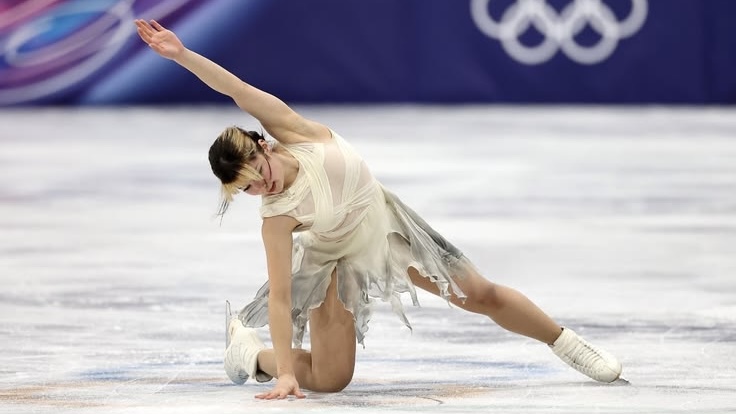
The Million-Dollar Medal: Alysa Liu’s Olympic Journey
August 05, 2026
One of the most fascinating traditions in artistic gymnastics is that athletes can leave a permanent mark on the sport by having a skill officially named after them. Throughout Olympic history, dozens of gymnasts have introduced original elements that now appear in the FIG Code of Points bearing their names.
However, not every new skill automatically becomes an eponym. The International Gymnastics Federation (FIG) has strict rules that determine whether an element is officially recognized.
(Source: Fédération Internationale de Gymnastique (FIG) Code of Points, FIG Technical Regulations)
A named skill, often called an eponymous skill, is a gymnastics element that carries the surname of the first gymnast who successfully performs it at an official FIG competition.
Once approved, the skill is permanently listed in the FIG Code of Points and may be used by gymnasts around the world.
Some named skills remain among the most difficult elements in the sport decades after they were introduced.
Creating a completely new element requires much more than inventing a difficult movement.
A gymnast must submit the skill before competition according to FIG procedures. The element is then evaluated by the Women’s or Men’s Technical Committee.
If the gymnast performs the skill successfully during an eligible FIG competition, such as the Olympic Games, World Championships, Youth Olympic Games, World Cup, or other approved international events, and the committee determines that it is genuinely new, the gymnast’s surname is added to the Code of Points.
If another gymnast performs the same skill first at an approved event, that gymnast receives the official recognition.
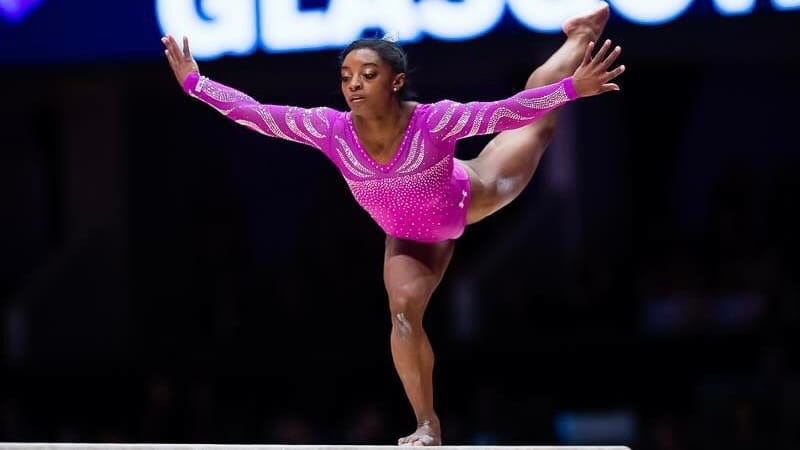
Simone Biles has more skills named after her than any other female artistic gymnast in history.
Her eponymous elements include skills on vault, balance beam, and floor exercise that introduced entirely new combinations of difficulty and technique.
The Biles II on floor exercise, a triple-twisting double back salto, demonstrated how innovation can redefine the limits of women’s gymnastics. Because of its exceptional difficulty and successful performance at World Championships, the element entered the FIG Code of Points under her name.
Biles’ achievements illustrate that originality alone is not enough. Precision, control, and successful execution under competition conditions are equally important.
Named skills preserve the history of gymnastics.
Each new element reflects years of experimentation, physical preparation, and technical creativity. When young gymnasts study the Code of Points, they also learn about the athletes who expanded the possibilities of the sport.
Many legendary gymnasts, including Nadia Comăneci, Olga Korbut, Epke Zonderland, Kohei Uchimura, and Simone Biles, have influenced future generations through innovative techniques and competition performances.
The FIG Code of Points currently contains hundreds of officially recognized elements across all apparatus, with many carrying the surnames of Olympic and World champions. Not every difficult skill receives a new name, because some movements are considered variations of existing elements rather than completely original skills. In rare situations, multiple gymnasts may perform the same new element at different competitions, but official recognition is awarded to the athlete who successfully completes it first under FIG rules. Every new skill also receives a difficulty value, which contributes to a gymnast’s overall Difficulty Score (D-score).
(Source: FIG Code of Points)
Yes, although it is extremely rare.
Most new skills are introduced by experienced senior international gymnasts because developing an original element requires exceptional technical ability, physical preparation, and consistency.
Nevertheless, young athletes often begin experimenting with creative combinations long before reaching the senior level.
Every Olympic cycle brings new ideas.
As athletes become stronger, coaches discover new training methods, and equipment continues to evolve, gymnasts keep pushing the boundaries of what is possible.
Although only a small number of skills are officially added during each Code of Points cycle, every new element contributes to the evolution of artistic gymnastics.
Having a gymnastics skill named after you is one of the highest honors in the sport.
It represents not only extraordinary athletic ability but also creativity, courage, and the willingness to attempt something no one has successfully performed before. Every named skill becomes part of gymnastics history, inspiring future generations to continue expanding the limits of human movement.
Achieve More With VSA: Boost your skills with world-class coaches for just $29/hour. Personalized programs 24/7, 365 days a year, anywhere in the world.
By Vitalina Andrushchenko, Staff Writer
February 19, 2026
The Million-Dollar Medal: Alysa Liu’s Olympic Journey
July 29, 2026
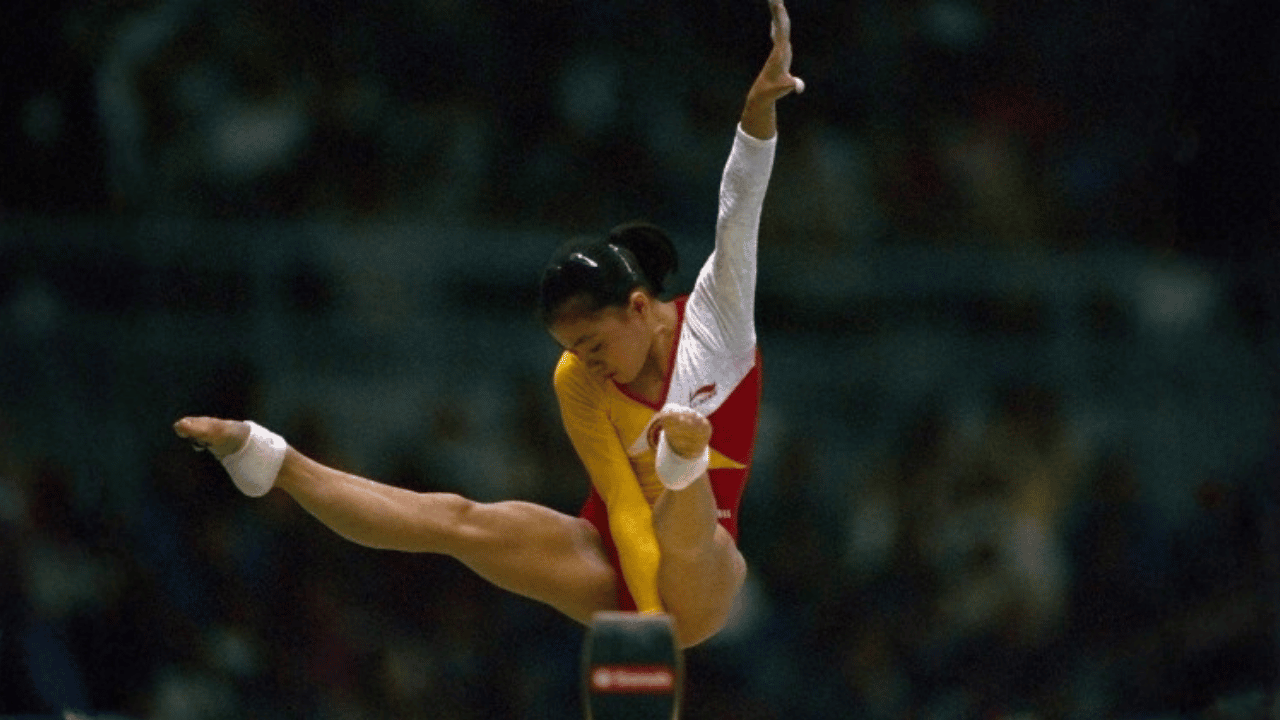
5 Skills Named After Olympic Gymnasts

February 21, 2026
A Guide to Rhythmic Gymnastics Apparatus
Competition highlights, industry trends, expert opinions, and stories from athletes and artists worldwide — delivered straight to your inbox