 English
 中文 (中国)
 Español
February 19, 2026
The Million-Dollar Medal: Alysa Liu’s Olympic Journey
July 23, 2026

Many actors associate William Shakespeare with classical theatre, complex language, and historical costumes. However, Shakespeare’s works remain one of the most effective training methods for modern film and television actors. Prestigious drama schools around the world continue to include Shakespeare in their core curriculum because the techniques developed through his plays directly improve screen performance.
(Source: Royal Academy of Dramatic Art (RADA), Royal Shakespeare Company, Juilliard School)
Shakespeare’s plays demand complete control over voice, movement, emotion, imagination, and language. Every sentence has rhythm, intention, and hidden meaning. Actors cannot rely on visual effects or editing—they must communicate every thought through performance alone.
These skills transfer directly to film acting, where even the smallest facial expression can reveal a character’s inner thoughts.
Modern films often require actors to deliver emotional dialogue quietly while remaining completely understandable.
Shakespeare training develops breath support, articulation, vocal projection, pacing, and precise pronunciation. Working with long speeches strengthens an actor’s ability to maintain vocal energy without sounding forced.
Even though film acting usually requires a softer voice than theatre, strong vocal technique allows actors to speak naturally while remaining clear on camera.
One of Shakespeare’s greatest lessons is learning to act what is not spoken.
Characters frequently hide their true emotions, manipulate others, change objectives during conversations, or express several emotions simultaneously.
Instead of focusing only on memorizing dialogue, actors learn to ask:
What does my character really want?
What emotion is hidden beneath these words?
Why is this line spoken now?
These questions are equally important in modern television dramas and feature films.
Ian McKellen spent decades performing Shakespeare with the Royal Shakespeare Company before becoming internationally known through films such as The Lord of the Rings and X-Men.
His classical training is visible in nearly every performance. McKellen demonstrates exceptional breath control, precise diction, subtle emotional transitions, and remarkable command of silence. Rather than delivering dialogue with exaggerated emotion, he allows small facial expressions, pauses, and carefully controlled vocal changes to communicate complex feelings.
Many acting coaches point to his career as an example of how classical theatre training creates outstanding screen actors.
(Source: Royal Shakespeare Company)
Shakespeare’s characters experience nearly every human emotion imaginable.
Love, fear, jealousy, ambition, guilt, grief, hope, betrayal, and forgiveness often appear within the same scene.
Working through these emotional changes teaches actors how to transition naturally between feelings without forcing reactions. This flexibility becomes especially valuable during film productions, where scenes are often shot out of chronological order.
Although screen acting is subtle, body language remains essential.
Classical training teaches actors to understand posture, balance, gestures, eye focus, timing, and movement with intention.
On camera, small physical choices often communicate more than dialogue itself.
Many of today’s leading actors trained extensively in Shakespeare before achieving success in film and television. Schools such as RADA, Juilliard, LAMDA, and the Royal Conservatoire of Scotland continue to use Shakespeare as a foundation for actor training because his plays develop vocal technique, emotional truth, text analysis, and physical storytelling. Numerous Academy Award winners have credited classical theatre with strengthening their screen performances.
(Source: RADA, Juilliard School, Royal Shakespeare Company)
Read the text aloud rather than silently, identify your character’s objective in every scene, mark changes in emotion throughout each speech, practice breathing before long monologues, study punctuation because it often indicates rhythm and intention, and focus on understanding every word before trying to perform it emotionally.
Regularly recording rehearsals also helps identify unnecessary gestures, inconsistent pacing, or unclear emotional choices.
Shakespeare training is not about speaking in an old-fashioned style.
It develops the fundamental skills that every successful screen actor needs: clear communication, emotional honesty, strong vocal control, detailed character analysis, and confidence under pressure. Whether an actor dreams of Hollywood films, streaming series, or independent cinema, studying Shakespeare remains one of the best ways to build a lasting acting career.
Achieve More With VSA: Boost your skills with world-class coaches for just $29/hour. Personalized programs 24/7, 365 days a year, anywhere in the world.
By Vitalina Andrushchenko, Staff Writer
February 19, 2026
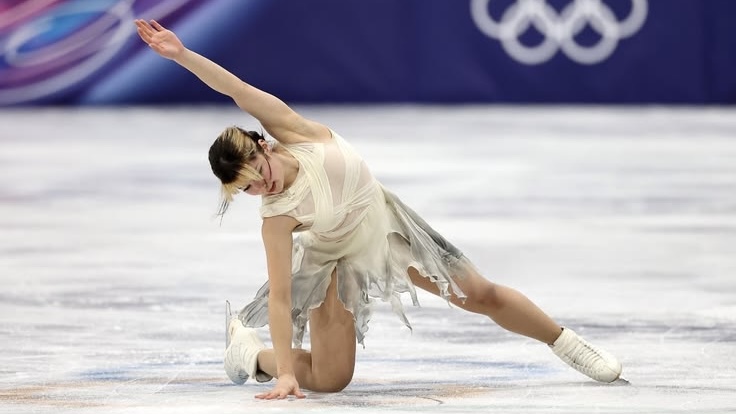
The Million-Dollar Medal: Alysa Liu’s Olympic Journey

February 21, 2026
A Guide to Rhythmic Gymnastics Apparatus
February 18, 2026
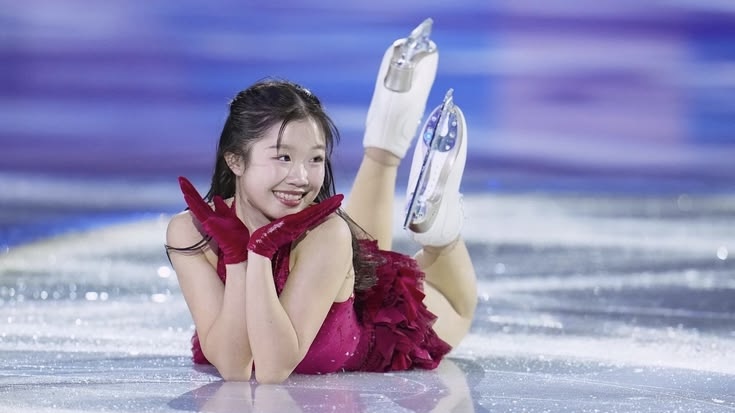
Ami Nakai Stuns With Triple Axel to Lead Olympic Short Program
Competition highlights, industry trends, expert opinions, and stories from athletes and artists worldwide — delivered straight to your inbox