 English
 中文 (中国)
 Español
July 29, 2026
5 Skills Named After Olympic Gymnasts
October 09, 2026
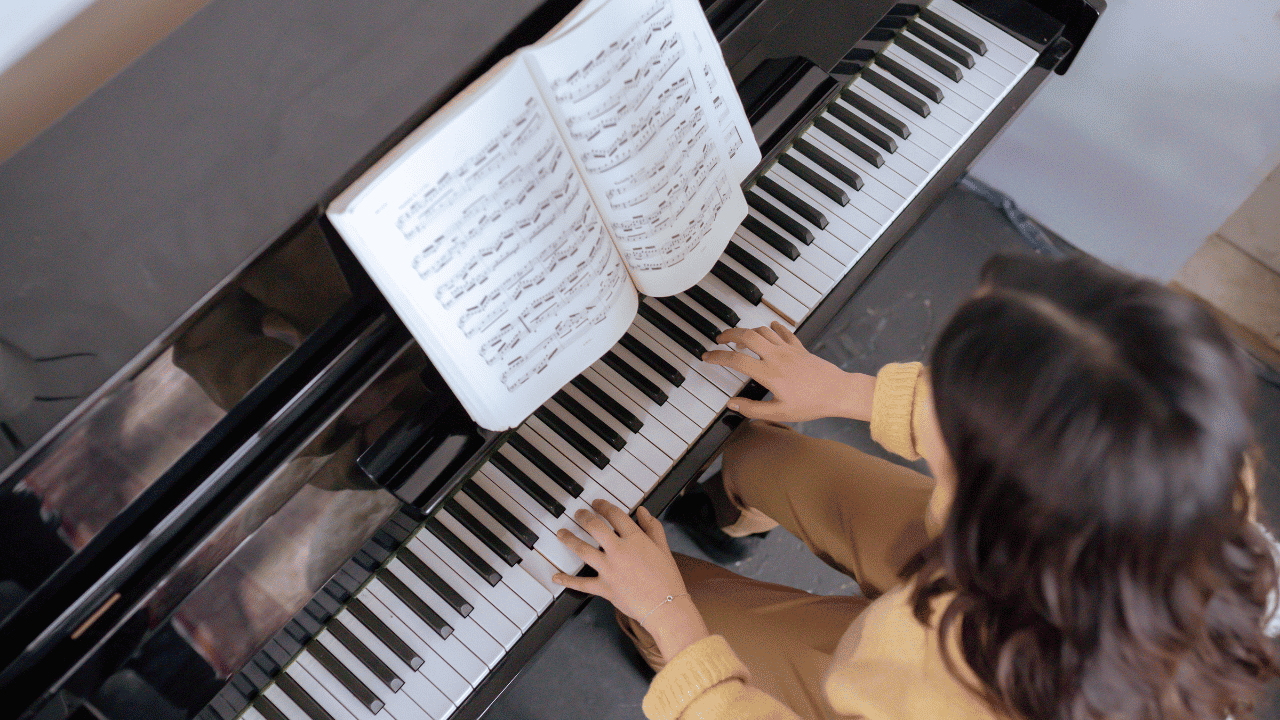
The piano has been around for centuries, but on TikTok, Instagram Reels, and YouTube Shorts, it is finding a whole new audience. From emotional covers of trending pop songs to cinematic performances filmed from above the keyboard, piano content is becoming part of modern internet culture.
You no longer need to perform in a concert hall to capture people’s attention. Sometimes, all it takes is a familiar melody, an interesting arrangement, and a camera pointed at your hands.
For many years, people associated piano with classical concerts, formal lessons, and hours of practicing scales. Social media has helped change that image by making piano performances more accessible, personal, and entertaining.
Creators play everything from movie soundtracks and anime themes to R&B, hip-hop, and current chart hits. Some transform electronic dance tracks into emotional piano ballads, while others challenge themselves to play complicated arrangements of popular songs.
The result? People who might never listen to classical music are discovering the instrument through music they already love.
Ludovico Einaudi is a great example of how piano music can connect with modern audiences through emotionally powerful, minimalist compositions. Meanwhile, online piano creators such as Peter Buka have attracted large audiences with piano arrangements of recognizable pop songs. Their performances show that the instrument can feel contemporary without losing its musical depth.
A successful piano video often combines three things: recognition, emotion, and visual appeal.
First, familiar songs make people stop scrolling. When viewers recognize a melody within the first few seconds, they have a reason to keep watching.
Second, the piano can completely change the mood of a song. A high-energy pop track might become intimate and cinematic, while a slow ballad can turn into a dramatic instrumental performance.
Third, piano is naturally visual. Viewers can watch the movement of the hands, the coordination between left and right, and the way a melody develops across the keyboard.
A strong cover does not have to be technically perfect or extremely difficult. Sometimes, a simple arrangement played with feeling is more memorable than a complicated performance without personality.
You don’t need an expensive studio to start. A smartphone, a piano, and a little planning can be enough.
Start with the most recognizable section: a chorus, a memorable hook, or an emotional transition. For short-form videos, the opening seconds matter.
Instead of recording an entire song, try making a focused 20–60-second cover with a clear beginning and a satisfying musical payoff.
Audio quality matters more than complicated video effects.
If you’re playing a digital piano, connect its audio output to your recording setup or computer when possible. This usually gives you a cleaner sound than relying on the phone’s microphone.
For an acoustic piano, position your phone or an external microphone where the sound is balanced and clear. Test a short recording first, listen back, and adjust the distance if the sound is too quiet, harsh, or boomy.
Always check that the audio and video stay synchronized when editing.
A top-down shot showing both hands is a popular choice because viewers can follow the performance. You can also experiment with a side angle that captures your posture and facial expressions, or combine close-ups with a wider shot.
Use a stable tripod or phone mount, clean the lens, and make sure the keyboard is well lit. Natural light near a window can work beautifully.
For TikTok and Reels, vertical video in a 9:16 format is a practical default.
Don’t just reproduce a song note for note. Add your own musical identity.
Try changing the rhythm, simplifying the melody, adding richer chords, creating a softer introduction, or building toward a powerful final section. A recognizable song with a fresh interpretation gives viewers a reason to remember your version.
Cut unnecessary pauses, begin close to the music, and let the strongest moment arrive naturally. On-screen text can identify the song or introduce the arrangement, but avoid covering the hands or keyboard.
A short caption such as “What if this song were a piano ballad?” can also invite viewers to listen with a new perspective.
Remember to consider copyright rules and platform music policies, especially when using commercial recordings or backing tracks.
Social media isn’t replacing traditional piano education or live performance. It is opening another door into the instrument.
A beginner can share their progress, an experienced pianist can reach listeners around the world, and a familiar pop song can inspire someone to sit at a keyboard for the first time.
The best part is that you don’t need to become a virtuoso before sharing your music. Start with one song you love, find an arrangement that feels like you, and record a short performance.
Your next piano cover might be the reason someone else falls in love with the instrument.
Achieve More With VSA: Boost your skills with world-class coaches for just $29/hour. Personalized programs 24/7, 365 days a year, anywhere in the world.
By Vitalina Andrushchenko, Staff Writer
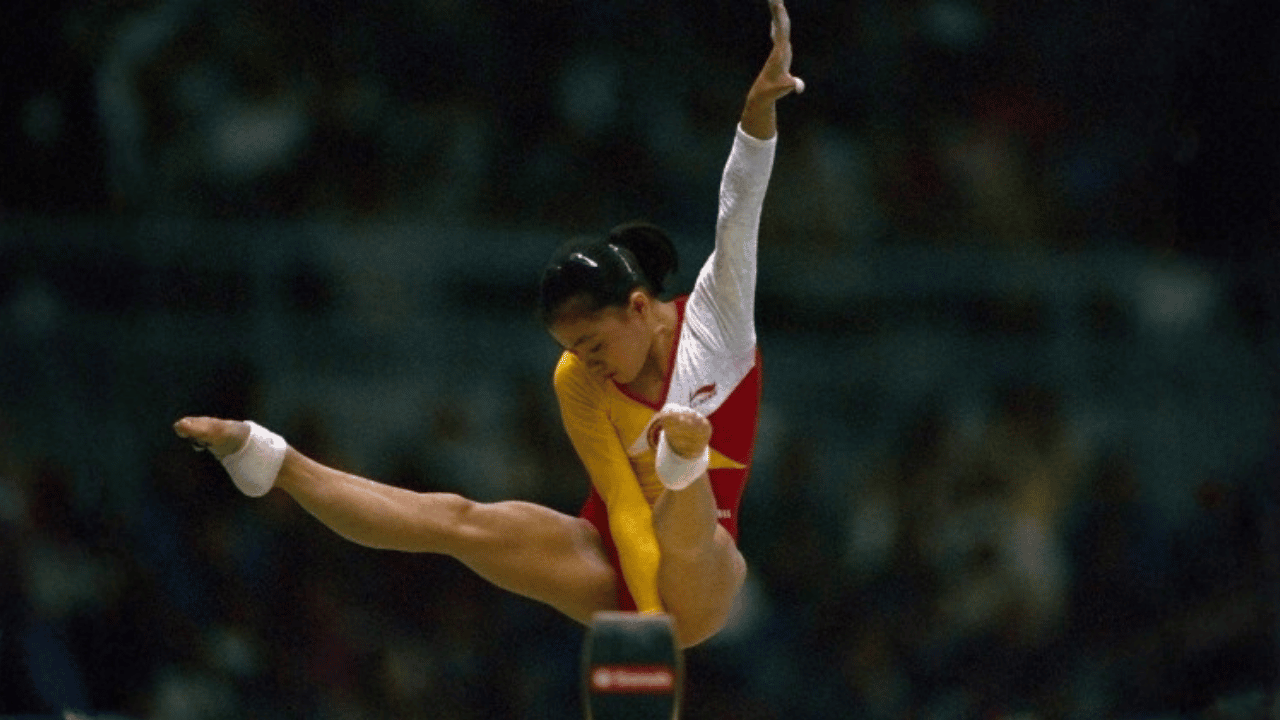
July 29, 2026
5 Skills Named After Olympic Gymnasts
May 24, 2026
How to Improve Toe Point in Ballet
April 28, 2026
5 Ways to Hold Spin Positions Longer
Competition highlights, industry trends, expert opinions, and stories from athletes and artists worldwide — delivered straight to your inbox