

 English
 中文 (中国)
 Español


July 29, 2026
5 Skills Named After Olympic Gymnasts
March 15, 2025
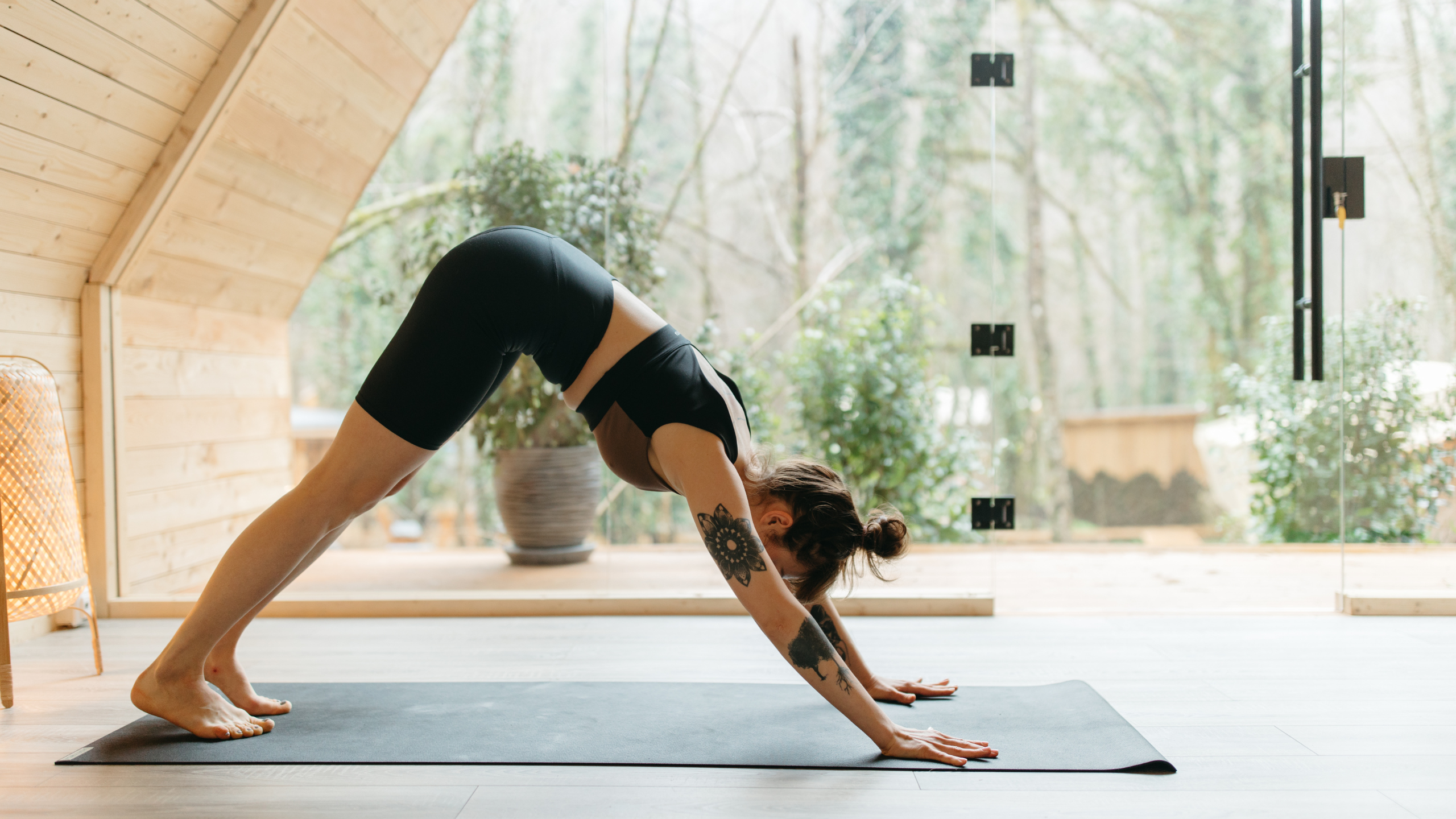
Breathing correctly during stretching can boost flexibility, relax muscles, and prevent strain. Science shows it’s more than just air—it’s a key to better results. Here’s how to do it right, streamlined with research.
Proper breathing stabilizes your spine and relaxes muscles. A 2018 study in Respiratory Physiology & Neurobiology found diaphragmatic breathing reduces stiffness, while a 2020 Journal of Strength and Conditioning Research study showed holding your breath cuts flexibility gains by 15%. Syncing breath taps into the calming parasympathetic system.
For dynamic stretches (e.g., leg swings), inhale to prep, exhale to extend—boosting muscle oxygen by 12%, per a 2019 Frontiers in Physiology study. For static stretches (e.g., hamstring holds), exhale into the stretch, then breathe slowly (4-6 seconds per cycle). A 2021 Autonomic Neuroscience study says this deepens relaxation and stretch tolerance by 20%.
Breathe into your belly, not chest. A 2022 Physical Therapy study found this increases range of motion by 10%. In a hip stretch, inhale as your belly expands, exhale to sink deeper—relaxing tight spots like the psoas.
Hold static stretches for 20-30 seconds with 5-7 steady breaths. A 2017 British Journal of Sports Medicine analysis says this sweet spot maximizes lengthening without resistance.
Don’t hold your breath—it stiffens muscles, dropping efficacy by 25% (Clinical Biomechanics, 2023). Skip shallow chest sips and rushed exhales—slow, full breaths work best.
Deep breathing oxygenates slow-twitch fibers and relaxes fast-twitch ones, per a 2019 Muscle & Nerve study. More blood flow, less tension—muscles stretch easier.
Focusing on breath cuts perceived effort by 18% (Psychology of Sport and Exercise, 2022), making stretches feel lighter and calmer.
Breathe smart—sync it, deepen it, time it. You’ll stretch further, safer, and with less stress. Science says so.
By Vitalina Andrushchenko, Staff Writer
Competition highlights, industry trends, expert opinions, and stories from athletes and artists worldwide — delivered straight to your inbox


