 English
 中文 (中国)
 Español
July 29, 2026
5 Skills Named After Olympic Gymnasts
September 25, 2026
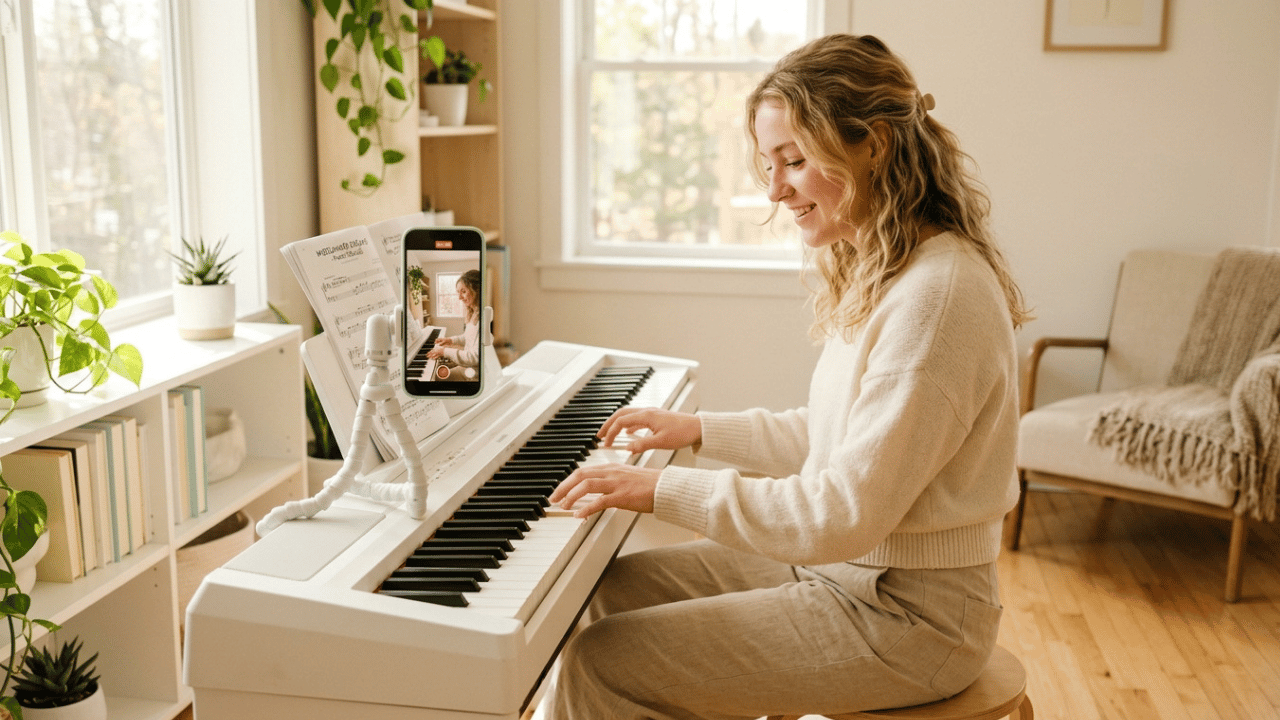
A great piano performance does not automatically become a great short-form video.
On TikTok and Instagram Reels, viewers make a decision within the first few seconds: keep watching or scroll. That means piano creators need to think not only about how they play, but also about how the performance looks, sounds and tells a story on camera.
The good news is that you do not need an expensive studio setup. A strong concept, clean audio and intentional framing can make a simple piano cover much more engaging.
One of the biggest mistakes in a short piano video is spending too long getting to the interesting part.
Instead of starting with several seconds of introduction, begin with the section people are most likely to recognize or react to: the chorus, a dramatic chord progression, a difficult passage or a surprising arrangement.
For example, instead of:
“Hi guys, today I’m going to play…”
Start immediately with the recognizable melody.
You can then add context through on-screen text:
“What if this song was a piano ballad?”
or
“This chorus sounds completely different on piano.”
The performance becomes the hook.
Piano covers have a natural visual advantage: the hands.
Close-ups of the keyboard, fingers moving quickly across the keys and changes in dynamics can make even a familiar song feel visually interesting.
Try combining different shots:
You do not necessarily need multiple cameras. You can record several takes from different positions and edit them together.
The important thing is that the cuts feel connected to the music.
Beautiful visuals cannot compensate for poor piano sound.
If possible, record the piano audio separately or use a high-quality microphone positioned specifically for the instrument. Then synchronize the clean audio with the video during editing.
For digital pianos, direct recording can provide a much cleaner signal than relying on the phone microphone.
Also listen for unwanted sounds: pedal noise, background conversations, traffic, air conditioning and room echo.
A short video may only last 20–40 seconds, but viewers still notice when the audio feels muddy or distorted.
TikTok and Reels are primarily designed around vertical video, so compose for 9:16 rather than simply cropping a horizontal recording.
Leave enough space around the pianist and keyboard, but don’t make the performer so small that the hands become impossible to see.
A useful composition can place the pianist slightly to one side while keeping the keyboard and hands clearly visible.
Natural window light can work extremely well. Avoid placing a bright window directly behind you, which can turn the performer into a silhouette.
A viral-style video usually benefits from some form of progression.
With a piano cover, that progression could be musical:
simple melody → increasingly complex arrangement → dramatic final section
Or it could be conceptual:
“I turned this pop song into a classical piece.”
The viewer immediately understands that something is going to change.
You can also create a payoff at the end — a surprising chord, a difficult run, a key change or the full version of a melody that was teased at the beginning.
Popular songs can help people understand the video immediately, but familiarity alone is not enough.
The arrangement needs a reason to exist.
Try changing the genre, tempo or emotional character:
The recognizable melody gives viewers a starting point; your arrangement gives them a reason to keep watching.
On-screen text can provide context without competing with the performance.
Keep it short.
Examples:
“POV: your favorite song becomes a piano piece.”
“Wait for the final chord.”
“I tried playing this without looking at the keys.”
“What if this song was written for a movie?”
Avoid covering the hands or important parts of the keyboard with large text.
Don’t cut randomly just to make the video look dynamic.
Use musical moments as editing points.
A camera change can happen on a beat, chord change or transition into the chorus. A close-up can appear exactly when the most impressive technical passage begins.
This makes the editing feel like part of the performance rather than something added afterward.
A practical starting setup can be:
Phone + tripod + good lighting + clean piano audio + simple editing.
Before recording, clean the camera lens, lock exposure if your phone allows it, frame the keyboard properly and record several takes.
Then create multiple versions from the same performance.
One can focus on the hands. Another can emphasize your facial reaction. A third can use a different opening moment.
The key is to treat the piano cover not just as a recording of a performance, but as a short visual story built around music.
A technically impressive pianist may earn respect. A technically impressive pianist who gives viewers a reason to stop, listen and wait for the next moment has a much stronger short-form format.
Achieve More With VSA: Boost your skills with world-class coaches for just $29/hour. Personalized programs 24/7, 365 days a year, anywhere in the world.
By Vitalina Andrushchenko, Staff Writer
July 29, 2026
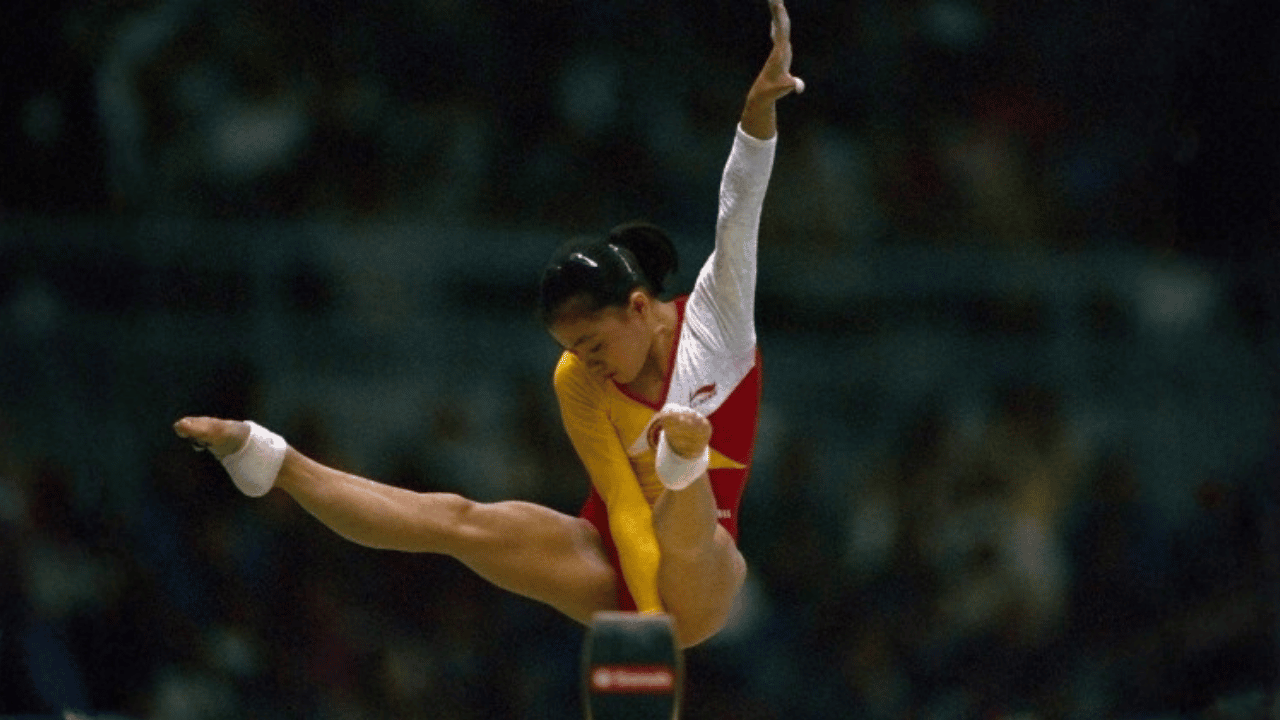
5 Skills Named After Olympic Gymnasts
May 24, 2026
How to Improve Toe Point in Ballet
April 28, 2026
5 Ways to Hold Spin Positions Longer
Competition highlights, industry trends, expert opinions, and stories from athletes and artists worldwide — delivered straight to your inbox