 English
 中文 (中国)
 Español
July 29, 2026
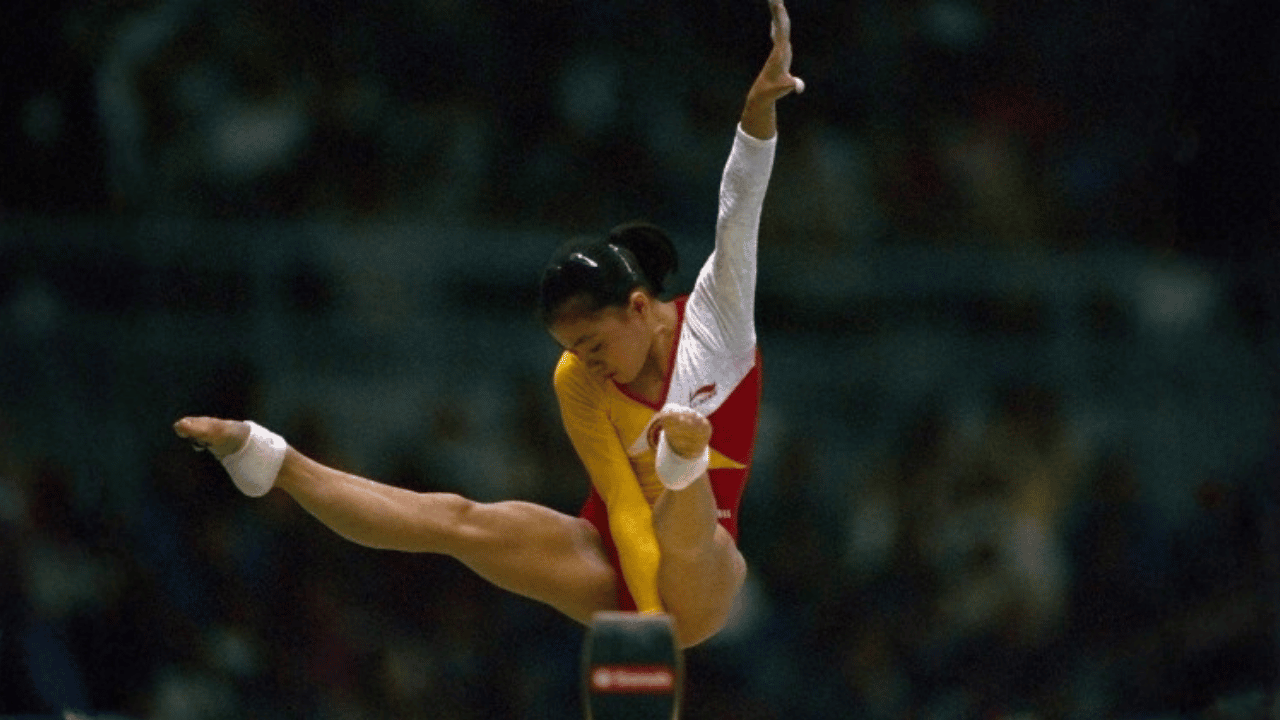
5 Skills Named After Olympic Gymnasts
July 21, 2025

In 2025, as wellness trends shift toward holistic health, relying solely on the scale to measure progress is outdated. Weight doesn’t capture the full picture of fitness, mental well-being, or vitality. For everyday people—whether office workers, students, or parents—tracking metrics like strength, energy, mood, and overall quality of life offers a more meaningful way to gauge improvement. This article explores why the scale falls short, alternative ways to monitor progress, and practical tips to stay motivated on your wellness journey.
The scale measures weight but overlooks muscle gain, energy levels, or mental clarity. A 2023 Journal of Health Psychology study found that 60% of people focusing only on weight loss felt discouraged despite physical improvements, as weight can fluctuate due to water retention or muscle growth. Scales also ignore non-physical benefits like better mood or stamina, which are critical for long-term health. Posts on X in 2025 emphasize this shift, with users noting that “feeling stronger and happier” matters more than numbers. By broadening your focus, you can celebrate progress that reflects true well-being.
Strength gains signal progress in ways the scale cannot. Simple markers, like lifting heavier objects, completing more repetitions, or walking longer distances, show improved muscle function and endurance. A 2024 Journal of Sports Sciences study reported that tracking performance metrics, such as time to complete a task, boosted motivation by 25% compared to weight-focused goals. For example, participants in 2025 Move for Health community programs report pride in climbing stairs without fatigue, a tangible sign of fitness. Monitoring these milestones highlights functional improvements that enhance daily life.
Increased energy is a powerful indicator of wellness. Feeling more alert during the day or less reliant on caffeine reflects improved physical and mental vitality. A 2023 Sleep Health study found that regular movement increased daily energy by 20% in adults, correlating with better sleep and nutrition. Tracking energy can be as simple as noting how often you feel refreshed versus drained. X users in 2025 share stories of “having energy for evening walks” after adopting wellness routines, showing how vitality reflects progress beyond weight.
Mood and mental clarity are key markers of holistic health. Regular physical activity boosts endorphins, reducing stress and improving focus, as shown in a 2024 Journal of Behavioral Health study, which linked movement to a 15% decrease in anxiety scores. Journaling mood shifts or tracking moments of mental sharpness can reveal progress. For instance, 2025 wellness workshop participants, like those in Wellness Today, report feeling “calmer and more focused” after consistent routines. These emotional gains often outweigh the scale’s feedback, fostering a sense of accomplishment.
Quality of life—encompassing sleep, social engagement, and daily comfort—offers a comprehensive view of progress. Better sleep, fewer aches, or enjoying activities with loved ones signal wellness improvements. A 2023 Health Psychology Review study found that tracking non-scale metrics, like improved sleep duration, increased life satisfaction by 18%. Community programs in 2025, such as Sing Dance Leap, highlight how participants feel “more connected and capable” after focusing on these markers. These holistic measures reflect how wellness enhances everyday experiences.
Myth 1: The Scale Is the Best Measure of Health
Weight ignores muscle, energy, and mood improvements, per a 2024 Journal of Exercise Science, making it a limited metric for overall wellness.
Myth 2: Progress Requires Intense Workouts
Moderate, consistent activities can yield significant gains, as shown in a 2023 Frontiers in Physiology study, fitting any lifestyle.
Myth 3: Non-Scale Metrics Are Hard to Track
Simple tools like journals or apps make tracking strength, energy, and mood accessible, as seen in 2025 community wellness trends.
Tracking progress beyond the scale—through strength, energy, mood, and quality of life—offers a richer, more motivating picture of wellness. In 2025, as people embrace holistic health, these metrics empower everyone to recognize meaningful improvements. By focusing on how you feel and function, you can build sustainable habits that enhance your life far beyond a number on the scale. Start tracking these signs today, and discover the joy of progress that truly matters.
Achieve More With VSA: Boost your skills with world-class coaches for just $29/hour. Perfect for skaters, hockey players, dancers, and athletes, VSA offers personalized training 24/7, 365 days a year, anywhere in the world.
By Vitalina Andrushchenko, Staff Writer
July 29, 2026
5 Skills Named After Olympic Gymnasts

May 24, 2026
How to Improve Toe Point in Ballet

April 28, 2026
5 Ways to Hold Spin Positions Longer
Competition highlights, industry trends, expert opinions, and stories from athletes and artists worldwide — delivered straight to your inbox