English
 中文 (中国)
 Español

July 29, 2026
5 Skills Named After Olympic Gymnasts
October 24, 2026
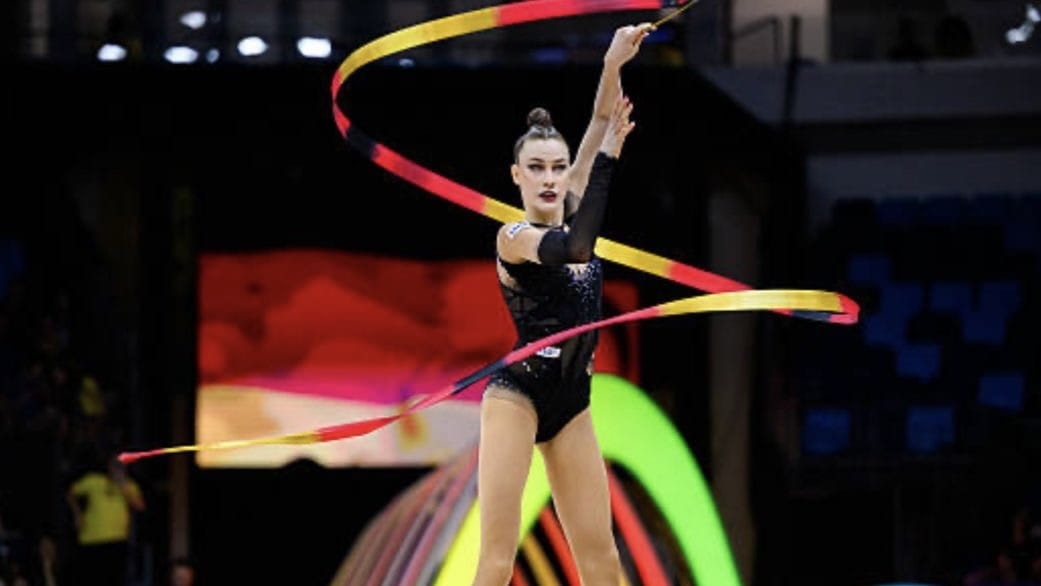
What does a rhythmic gymnastics world champion carry to training and competitions? Behind the sparkling leotards, elegant ribbons, and breathtaking routines is a carefully prepared collection of equipment, accessories, and personal essentials.
A rhythmic gymnast’s bag is more than a place to store belongings. It helps keep apparatus protected, training organized, and important items ready for competition.
And sometimes, the most meaningful object inside a champion’s bag has nothing to do with gymnastics technique.
German rhythmic gymnastics star Darja Varfolomeev offers a fascinating example.
The 2023 world all-around champion, who also won gold in all four individual apparatus finals at those championships, became the Olympic all-around champion at Paris 2024.
Before the Paris Olympics, Varfolomeev revealed an interesting detail about her competition luggage in an interview with Eurosport.
She explained that she always packed a bag containing her lucky charms.
Among them were keepsakes from her first coach and the coach’s mother, who had also trained her. She also carried lucky charms from her parents, brother, and grandparents.
For Varfolomeev, these objects represented personal connections and encouragement from people who had supported her journey.
Her example reminds young gymnasts that preparation is not only about equipment. Familiar personal objects can also provide a sense of comfort before an important performance.
Rhythmic gymnastics combines athletic difficulty with musical interpretation and apparatus handling.
At the senior individual level, gymnasts compete with four apparatus: hoop, ball, clubs, and ribbon.
Each requires different techniques, so careful preparation is essential.
Hoop: Used for rotations, rolls, throws, and catches. A protective cover helps prevent scratches and damage during transportation.
Ball: Requires smooth handling and controlled movements. A suitable protective bag can help keep its surface clean and reduce the risk of damage.
Clubs: Used for coordinated swings, mills, throws, and catches. A pair should be transported securely to avoid unnecessary impact.
Ribbon: Requires particular attention because the fabric can become tangled or creased. A ribbon winder and protective case help keep it organized.
Not every apparatus fits inside a standard sports bag. Hoops and longer equipment may need separate carriers.
Gymnasts should always check that their apparatus meets the rules for their age category and competition.
Rhythmic gymnasts usually perform in specialized half shoes, sometimes called toe shoes, which cover the front of the foot while allowing freedom of movement.
Keeping a clean, properly fitted pair in the bag is important.
Some gymnasts also carry a spare pair in case the first becomes damaged or uncomfortable.
Other useful clothing items may include a training leotard, fitted practice clothes, warm layers, and spare socks.
Competition leotards deserve extra care because decorative stones, delicate fabrics, and detailed designs can be damaged during travel.
A separate garment cover helps protect them from friction and accidental snagging.
A neat hairstyle is part of competition preparation.
Loose hair can distract a gymnast during turns, jumps, balances, and apparatus handling.
A small accessories pouch might contain hair ties, pins, a brush, a bun net, and other permitted styling products.
For competitions, gymnasts may also carry makeup and personal grooming items appropriate to the event’s rules.
The goal is not simply appearance. Preparing these details in advance reduces last-minute distractions.
Rhythmic gymnastics demands flexibility, strength, balance, and precise coordination.
Depending on their training plan, gymnasts may carry resistance bands, light warm-up clothing, and other coach-approved accessories.
A water bottle is another important item, especially during long training sessions.
A small towel and nutritious snacks may also be useful when permitted.
However, flexibility equipment should never be used to force extreme positions. Warm-up and stretching exercises should follow the guidance of a qualified coach.
Some of the most useful things in a gymnastics bag are also the easiest to forget.
A simple checklist might include:
A separate compartment for accessories can make it easier to find items quickly.
Before leaving for a competition, gymnasts should inspect their apparatus and check that nothing essential has been forgotten.
Competition days can involve warm-ups, waiting periods, equipment checks, and multiple performances.
A well-organized bag reduces unnecessary stress and allows athletes to focus on their routines.
One practical approach is to divide belongings into three categories: apparatus, clothing, and small accessories.
Frequently used items should remain easy to reach, while delicate equipment should be protected.
Younger gymnasts can also develop responsibility by packing their own bags with guidance from parents or coaches.
This simple habit encourages independence and attention to detail.
Varfolomeev’s lucky charms show that a champion’s bag can contain more than sports equipment.
A photograph, a small gift, or a keepsake from a family member may carry emotional meaning.
Such objects do not guarantee better performance, but familiar routines and meaningful reminders can help some athletes feel more settled before competing.
Every gymnast develops personal preferences over time.
Some prioritize organization, others value a familiar warm-up routine, and some enjoy keeping a special object close.
The most important thing is finding preparation habits that support confidence without creating unnecessary dependence on rituals.
Inside a rhythmic gymnastics champion’s bag, practical equipment and personal memories can exist side by side.
Hoops, balls, clubs, ribbons, half shoes, and accessories help athletes prepare for the technical demands of their sport.
Meanwhile, personal items like Darja Varfolomeev’s lucky charms remind us that behind every elite performance is a person with meaningful relationships, memories, and sources of motivation.
For young gymnasts, the lesson is simple: prepare your equipment carefully, stay organized, and develop a routine that helps you feel ready to perform.
Achieve More With VSA: Boost your skills with world-class coaches for just $29/hour. Personalized programs 24/7, 365 days a year, anywhere in the world.
By Vitalina Andrushchenko, Staff Writer
July 29, 2026
5 Skills Named After Olympic Gymnasts
May 24, 2026
How to Improve Toe Point in Ballet
April 28, 2026
5 Ways to Hold Spin Positions Longer
Competition highlights, industry trends, expert opinions, and stories from athletes and artists worldwide — delivered straight to your inbox