

 English
 中文 (中国)
 Español


July 29, 2026
5 Skills Named After Olympic Gymnasts
March 06, 2026
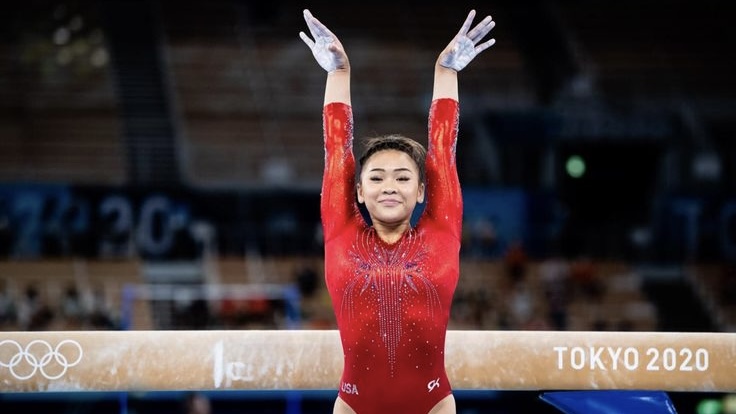
In elite gymnastics, the distance between a gold medal and a devastating fall is often measured in millimeters and milliseconds. While the world sees the gravity-defying flips and the “stuck” landings, the true battleground is the mind. Before a gymnast even touches the chalk, they have already performed the routine a hundred times in a mental space where gravity is a choice and perfection is the baseline.
Research into Pre-Performance Routines (PPR) shows that elite athletes use specific cognitive “funnels” to narrow their focus. For gymnasts, this typically involves three distinct mental phases:
1. Strategic Visualization (The “Mental Blueprint”) Most champions, including legendary names like Nastia Liukin and Morgan Hurd, utilize visualization as a non-negotiable ritual. They don’t just “see” the routine; they feel the texture of the wooden beam, hear the snap of the springboards, and smell the chalk.
2. Focus on Process, Not Outcome A common pitfall for novice athletes is obsessing over the score or the gold medal.Elite gymnasts shift their focus to mental cues. Instead of thinking “I must land this,” they think “Chest up,” “Toes pointed,” or “Drive the heels.”
3. Cognitive Priming (The “Warrior” Switch) Before walking to the podium, gymnasts must manage their physiological arousal. Too much adrenaline leads to “over-shooting” a landing; too little leads to sluggishness.
Ultimately, the “secret” of a champion isn’t the absence of fear; it’s the presence of a mental map that guides them through the fear until they reach the other side.
Achieve More With VSA: Boost your skills with world-class coaches for just $29/hour. Personalized programs 24/7, 365 days a year, anywhere in the world.
By Vitalina Andrushchenko, Staff Writer
Competition highlights, industry trends, expert opinions, and stories from athletes and artists worldwide — delivered straight to your inbox


