English
 中文 (中国)
 Español

July 29, 2026
5 Skills Named After Olympic Gymnasts
October 22, 2026

In acting, the eyes can communicate emotions before a single word is spoken. A brief glance, a moment of hesitation, or a deliberate refusal to make eye contact can reveal what a character is thinking and feeling.
In single-partner scenes, where an actor interacts with one other character, eye placement becomes especially important. Whether performing on stage, filming a close-up, or recording a self-tape audition, knowing where to look can make a performance feel more natural, emotionally connected, and believable.
Eye placement is more than simply looking at your scene partner. It helps establish relationships, communicate intentions, and guide the audience’s attention.
A character who maintains steady eye contact may appear confident, confrontational, or deeply interested. Someone who repeatedly looks away might be nervous, distracted, ashamed, or attempting to hide something.
However, eye contact does not have one fixed meaning. Its emotional significance depends on the character, relationship, circumstances, and cultural context.
Instead of asking, “Where should I look?” begin with a more useful question: “What does my character want from the other person?”
Your character’s objective should influence how you use your eyes throughout the scene.
In film and television, an eyeline refers to the direction an actor looks while performing.
For a scene with one partner, the eyeline should usually connect to the partner’s actual position or to an established off-camera position.
When filming a close-up, even a small change in eye direction can affect how the audience understands the interaction.
If your scene partner is positioned slightly to the right of the camera, looking toward that position can create the impression that you are speaking directly to them.
Avoid looking straight into the lens unless the scene specifically calls for direct camera address.
The goal is to maintain a believable visual relationship between the characters.
Self-tape auditions often require actors to perform without another actor physically present on screen.
If a reader is helping you, position them close to the camera but slightly off to one side. This allows your face to remain visible while maintaining the impression of a conversation.
For a scene involving only one partner, choose one consistent eyeline rather than constantly changing where you look.
A useful setup includes:
If the casting instructions specify an eyeline or framing requirement, follow those directions first.
Remember that the camera captures subtle changes in facial expression. You do not need exaggerated eye movements to communicate emotion.
One of the most common acting mistakes is concentrating so much on delivering lines that the actor stops responding naturally.
Strong acting requires active listening.
When your scene partner speaks, allow their words to affect you. Your eyes may shift, soften, narrow, or briefly move away as your character processes new information.
These reactions should emerge from the circumstances rather than from a predetermined pattern.
For example, imagine your scene partner says, “I never told you the truth.”
Your character might initially maintain eye contact, look away while processing the confession, and then return their gaze to seek an explanation.
The movement becomes meaningful because it follows an emotional change.
Maintaining constant eye contact can make a performance feel unnatural.
In real conversations, people often shift their gaze while thinking, remembering, searching for words, or reacting emotionally.
Actors should allow these changes to happen when motivated by the scene.
However, excessive eye movement can also distract the audience, especially in close-ups.
The key is balance. Avoid forcing continuous eye contact, but do not look away simply because you feel uncomfortable being watched.
Every significant shift in attention should connect to the character’s thoughts, intentions, or surroundings.
Subtext is what a character means or feels beneath the spoken dialogue.
Eye placement can help communicate that hidden meaning.
Consider a character saying, “I’m happy for you.”
The same words can suggest different emotions depending on the performance.
A warm, relaxed gaze might communicate genuine happiness. A brief glance away before speaking could suggest disappointment or jealousy. An intense, prolonged look might indicate suspicion or unresolved conflict.
These are possibilities, not fixed rules.
The actor’s task is to understand the emotional truth of the moment and allow the eyes to support it without exaggeration.
Try this exercise to develop more natural eye placement.
Step 1: Choose a short scene. Select a dialogue involving two characters with a clear relationship and emotional objective.
Step 2: Establish your eyeline. Position a reader or choose a fixed point slightly beside the camera.
Step 3: Perform the scene naturally. Focus on listening and responding rather than controlling every eye movement.
Step 4: Repeat with a different intention. For example, play the scene once while trying to gain the other person’s trust, then again while attempting to conceal information.
Step 5: Watch the recordings. Notice whether your eye movements support the character’s intentions or distract from the performance.
Compare the versions and identify which moments feel most believable.
Eye placement works differently depending on the performance medium.
In theater, actors must maintain a convincing connection with their scene partners while ensuring that blocking and body orientation allow the audience to follow the action.
In film, close-ups capture extremely subtle eye movements, making small shifts of attention more noticeable.
In self-tapes, a consistent off-camera eyeline helps create the impression of an unseen scene partner.
Understanding these differences allows actors to adapt their technique without losing emotional authenticity.
Effective eye placement is not about following a rigid set of rules. It is about creating a believable connection between characters.
Focus on your objective, listen actively, and allow your gaze to respond to the emotional circumstances of the scene.
When your eyes support your character’s thoughts rather than simply following memorized movements, your performance becomes more engaging and authentic.
With regular practice, eye placement can become a natural part of your acting technique, helping you deliver stronger auditions and more emotionally convincing performances.
Achieve More With VSA: Boost your skills with world-class coaches for just $29/hour. Personalized programs 24/7, 365 days a year, anywhere in the world.
By Vitalina Andrushchenko, Staff Writer
July 29, 2026
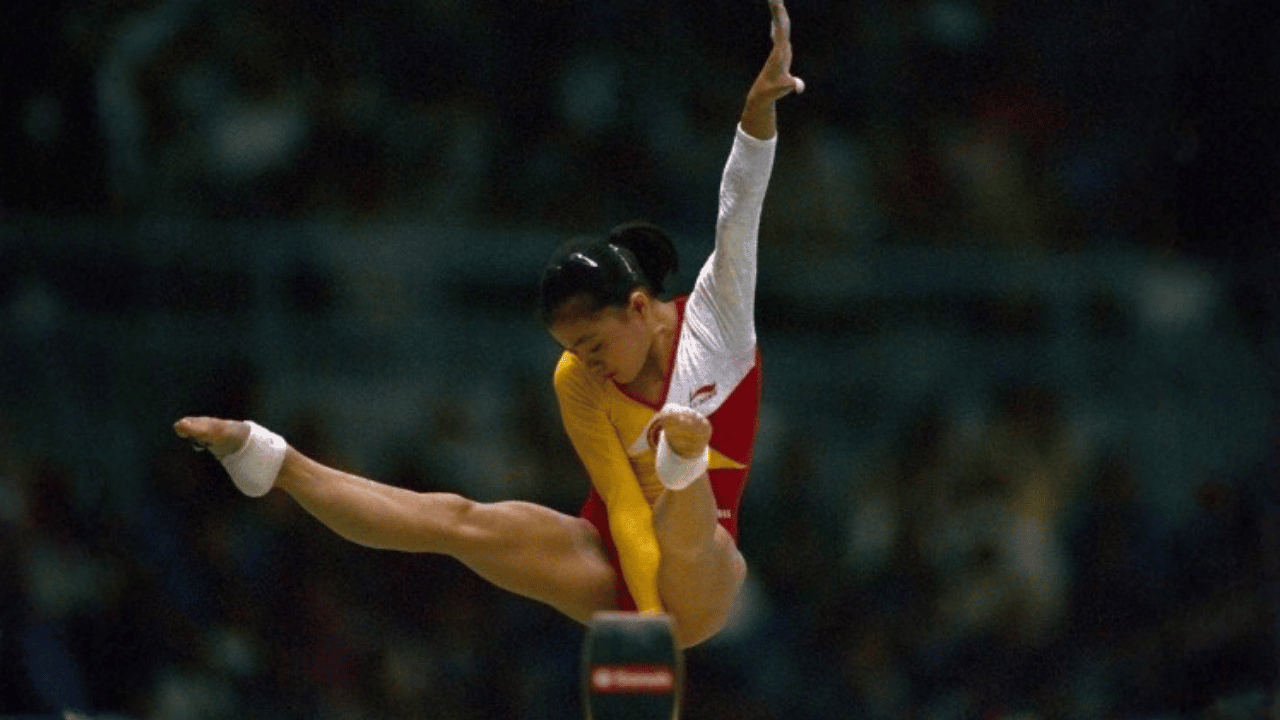
5 Skills Named After Olympic Gymnasts
May 24, 2026
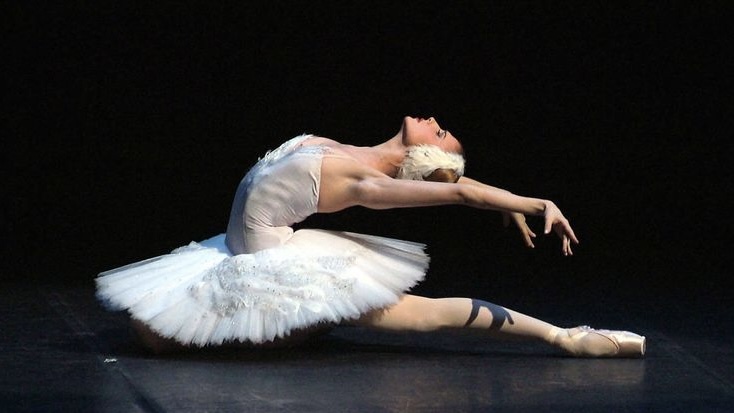
How to Improve Toe Point in Ballet

April 28, 2026
5 Ways to Hold Spin Positions Longer
Competition highlights, industry trends, expert opinions, and stories from athletes and artists worldwide — delivered straight to your inbox