 English
 中文 (中国)
 Español
July 29, 2026
5 Skills Named After Olympic Gymnasts
October 15, 2026

Need to memorize two pages of dialogue for a last-minute self-tape? Whether you have an hour or only 30 minutes, the right preparation can help you learn your lines faster, stay calm, and deliver a natural performance. The key is to combine active recall, emotional understanding, and realistic rehearsal instead of simply reading the script over and over.
Trying to memorize two full pages at once can overwhelm your working memory. Instead, divide the dialogue into short sections of two to four lines, or one complete thought at a time.
Start with the first section. Read it aloud two or three times, then cover the page and repeat it from memory. Once you can recall it comfortably, move to the next section. Finally, connect the two sections and rehearse them together.
You can also label each section with a simple phrase, such as “asking for the truth,” “getting defensive,” or “making a decision.” These mental landmarks help you remember the order of the scene and recover if you lose your place.
Quick tip: Memorize the first and last lines of each section especially well. They act as anchors that help you transition smoothly between parts of the dialogue.
Reading a script repeatedly can make the words look familiar without ensuring you can actually remember them. Active recall forces your brain to retrieve the information without looking at the page.
Try this four-step method:
Then test yourself again after a short break. Revisiting the dialogue after a few minutes helps reinforce your memory more effectively than repeating it continuously without pauses.
If you struggle with a particular line, isolate it and practise the transition into it. Often, the problem is not the line itself but remembering how to get there from the previous sentence.
Actors do not simply recite words; they respond to circumstances. Understanding what your character wants can make dialogue much easier to remember.
For every section, ask yourself three questions:
Divide the scene into emotional beats, such as curiosity, frustration, disappointment, vulnerability, or relief. Give each beat a clear intention: persuade, challenge, hide, confess, or reassure.
You can even write a one-sentence summary beside each paragraph. If you forget the exact wording, remembering the thought behind the line can help you find your way back into the scene.
Important: Do not turn emotional preparation into exaggerated acting. Use the emotional beats to understand the scene, then let your reactions remain natural and specific.
Memorizing your lines alone is useful, but a self-tape requires you to respond naturally to another character. Practising with cue lines prepares you for the rhythm and timing of a real conversation.
Record the other character’s dialogue on your phone, leaving a pause after each line for your response. Play the recording and perform your part without looking at the script. Alternatively, ask a friend to read the other role.
For an even more effective exercise, record your cues at a natural conversational pace rather than leaving excessively long pauses. This helps you practise listening, reacting, and delivering your lines without rushing.
Once you feel confident, rehearse while standing and moving as you would during the actual self-tape. Keep your attention on the imaginary scene partner instead of mentally checking whether you remember every word.
When time is limited, structure your practice instead of spending too long on the opening lines.
Spend the first 20 minutes learning the dialogue in chunks, the next 15 minutes practising with cue lines, and another 10 minutes reviewing difficult passages. Use the remaining time for a short break, a complete run-through, and camera preparation.
Short breaks can help reduce mental fatigue. Avoid cramming the same lines continuously when you are no longer absorbing them.
First, identify the exact point where your memory breaks down. Read the line before it, the difficult line, and the line after it together. Repeat this small sequence until the transition becomes familiar.
You can also use the first word of each sentence as a temporary memory prompt. Gradually remove the prompts as you become more confident.
Finally, prioritize the overall scene rather than demanding perfect word-for-word recall immediately. Follow the script’s exact wording when the audition requires it, but remember that understanding the character’s intention also helps you recover from momentary lapses.
Before recording, do one run-through focused on accuracy and another focused on emotion and connection. Put the script away for the final take if you can safely do so, and keep your eyes and attention on the scene rather than searching your memory for the next sentence.
If you make a small mistake, do not automatically stop. Stay present, listen, and continue whenever possible. A convincing self-tape depends on believable reactions, clear storytelling, and a strong connection to the scene—not just flawless memorization.
Achieve More With VSA: Boost your skills with world-class coaches for just $29/hour. Personalized programs 24/7, 365 days a year, anywhere in the world.
By Vitalina Andrushchenko, Staff Writer Achieve More With VSA: Boost your skills with world-class coaches for just $29/hour. Personalized programs 24/7, 365 days a year, anywhere in the world.
By Vitalina Andrushchenko, Staff Writer
July 29, 2026
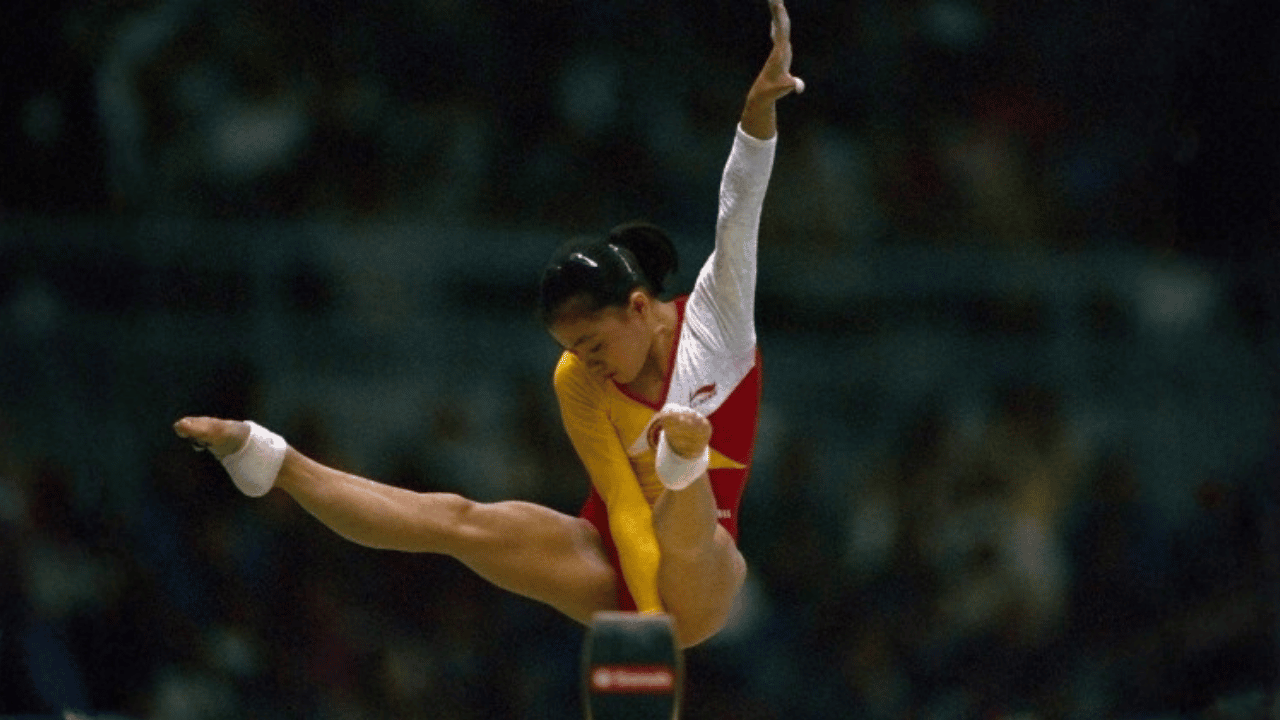
5 Skills Named After Olympic Gymnasts
May 24, 2026
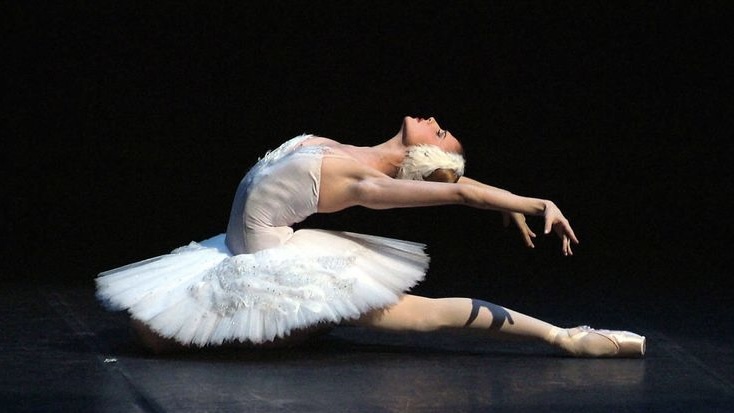
How to Improve Toe Point in Ballet

April 28, 2026
5 Ways to Hold Spin Positions Longer
Competition highlights, industry trends, expert opinions, and stories from athletes and artists worldwide — delivered straight to your inbox