

 English
 中文 (中国)
 Español


July 29, 2026
5 Skills Named After Olympic Gymnasts
April 06, 2025
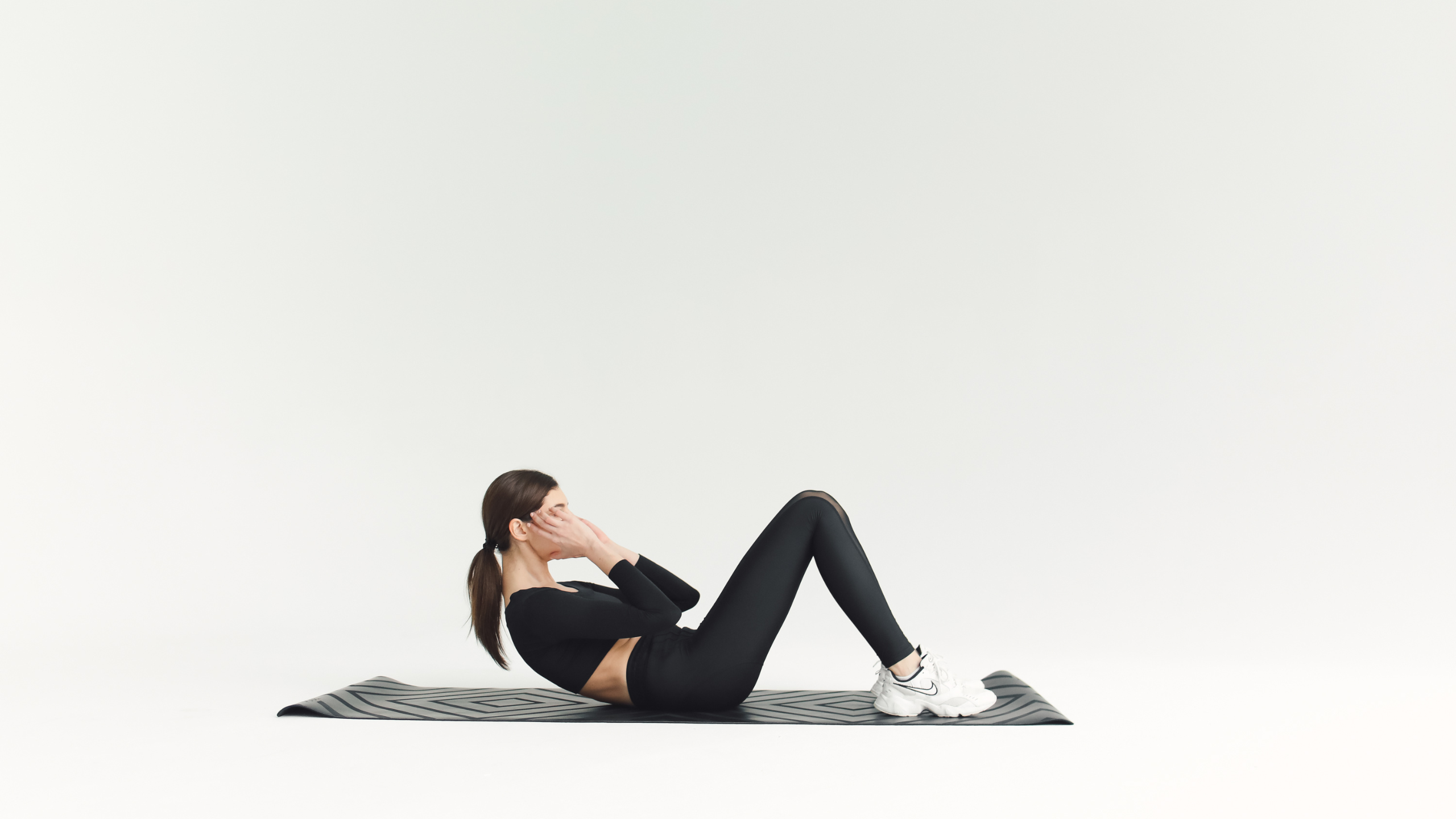
Self-doubt can be a quiet saboteur, whispering fears of failure or inadequacy that hold you back from your potential. For many, it’s a familiar shadow—whether it’s hesitating to step into a gym, second-guessing a new lift, or feeling unworthy of progress. But there’s a powerful antidote: exercise. Beyond sculpting muscles or boosting stamina, physical activity can transform your mindset, turning uncertainty into unshakable confidence. Here’s how movement rewires self-perception and practical ways to harness it.
Self-doubt often stems from a mix of past setbacks, comparison, or internalized criticism. “I’m not strong enough,” “I’ll look ridiculous,” or “I’ll never keep up” are common refrains. Psychologically, it’s tied to the brain’s negativity bias—a survival relic that amplifies threats over triumphs. Left unchecked, it fuels a cycle: doubt breeds inaction, inaction breeds stagnation, and stagnation reinforces doubt.
Exercise breaks that loop. “When you move your body, you prove to yourself you’re capable,” says Dr. John Ratey, author of Spark: The Revolutionary New Science of Exercise and the Brain. It’s not about instant mastery—it’s about showing up, step by step, and rewriting the story you tell yourself.
Physical activity doesn’t just tone your body; it reshapes your brain. When you exercise, your brain releases endorphins—natural mood-lifters that counteract anxiety. A 2022 study in Frontiers in Psychology found that a single 30-minute workout reduced self-reported doubt by 20%, with effects lasting up to six hours. Over time, this builds a buffer against negative self-talk.
Then there’s dopamine, the reward chemical. Every completed set, mile, or stretch triggers a dopamine hit, reinforcing a sense of accomplishment. Research from Neuroscience (2021) shows that consistent exercise—three sessions a week for eight weeks—boosts dopamine receptor sensitivity, making you more attuned to success. That’s the science behind why finishing a tough workout feels like a win: your brain starts associating effort with reward, not failure.
Exercise also tames the amygdala, the fear center that fuels doubt. A 2020 Journal of Behavioral Medicine study found that aerobic activity (like running or cycling) for 20 minutes lowered amygdala activity by 15%, calming irrational worries. Pair that with stronger prefrontal cortex engagement—your rational decision-maker—and you’re less likely to spiral into “I can’t.”
The physical wins translate to mental ones. Lifting a heavier weight or running an extra minute proves you can grow stronger—tangible evidence that counters doubt. “It’s hard to feel incapable when you’ve just done something you couldn’t do a month ago,” says fitness coach Jessamyn Stanley. This mastery effect builds self-efficacy—the belief in your ability to succeed—brick by brick.
Take yoga, for instance. Holding a challenging pose like crow demands focus and strength. When you nail it, even after wobbling, you’ve taught yourself resilience. A 2019 Journal of Sport & Exercise Psychology study found that participants who practiced yoga twice weekly for six weeks reported a 25% increase in self-confidence, tied to improved body awareness and control.
Starting is the hardest part when doubt looms. “You don’t need to be great to begin—you just need to begin to be great,” says Olympic runner Shalane Flanagan. Here’s how to ease in:
Consistency is where confidence takes root. “Routine turns ‘maybe I can’ into ‘I know I can,’” says Stanley. Aim for three 20-30 minute sessions a week—enough to spark change without overwhelming you. Mix it up: strength training builds power, cardio lifts mood, stretching fosters calm. A 2023 Health Psychology study found that varied routines increased adherence by 30%, as novelty keeps doubt at bay.
Set goals that focus on process, not perfection—say, “I’ll jog twice this week” instead of “I’ll lose 10 pounds.” Each checkmark chips away at insecurity. Log your wins—distance, reps, how you felt—to see growth over time. “Evidence kills doubt,” Ratey says.
Exercising with others can amplify the effect. A group class or workout buddy adds accountability and camaraderie—doubt shrinks when you’re not alone. A 2021 Social Science & Medicine study showed that group fitness participants felt 22% more confident than solo exercisers, thanks to shared encouragement.
Confidence from exercise spills beyond the gym. Standing taller after a deadlift session or tackling a hill run can shift how you face life’s challenges. “It’s not just about the body—it’s about believing in yourself,” Flanagan says. A 2020 Personality and Individual Differences study linked regular exercise to a 15% boost in overall self-esteem, affecting work, relationships, and resilience.
Overcoming self-doubt isn’t about silencing it overnight—it’s about proving it wrong, one move at a time. Exercise offers a proving ground: every sweat-soaked minute builds not just muscle, but belief. Science shows it rewires your brain, stacking the odds in your favor with endorphins, dopamine, and a quieter fear center. Start small, stay steady, and watch confidence rise—not because you’re perfect, but because you’re stronger than your doubts. Lace up, step out, and claim your power.
By Vitalina Andrushchenko, Staff Writer
Competition highlights, industry trends, expert opinions, and stories from athletes and artists worldwide — delivered straight to your inbox


