 English
 中文 (中国)
 Español
February 19, 2026
The Million-Dollar Medal: Alysa Liu’s Olympic Journey
August 03, 2026
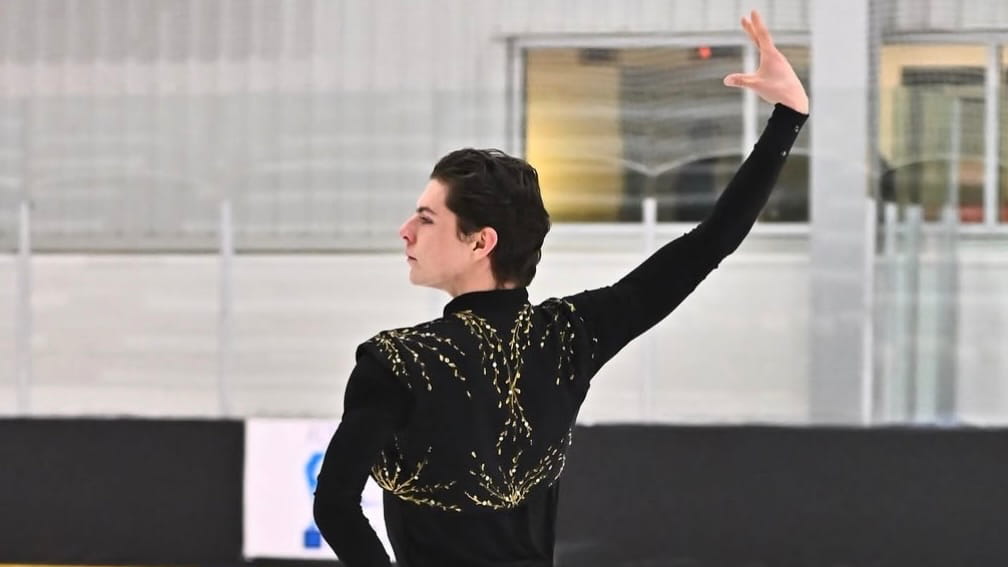
Parker Heiderich © Instagram / parker_skating_129
Moving from junior to senior competition is one of the biggest challenges in figure skating. Higher technical standards, stronger competitors, and greater expectations often test both an athlete’s skills and mindset. Canadian skater Parker Heiderich is entering this new chapter with ambitious goals, renewed confidence, and a different perspective on what success means.
Rather than focusing only on difficult jumps, Heiderich has learned that enjoying skating and expressing himself on the ice can be just as important as technical progress. His story shows that mental growth often becomes the foundation for athletic success.
(Source: Skate Canada, interview by Paula Slater, August 2, 2026)
Unlike many elite skaters who begin training before school age, Parker Heiderich first stepped onto the ice at ten years old. Figure skating initially started as a fun activity with friends, but everything changed during his novice years.
Watching the 2023 ISU World Junior Figure Skating Championships in Calgary and attending his first Canadian National Championships opened his eyes to the level of commitment required in elite skating.
He returned to training with greater motivation and quickly added several triple jumps to his repertoire. What had once been a recreational hobby became a serious competitive career.
His progress accelerated over the next few seasons.
He won the 2024 Trophy Métropole Nice Côte d’Azur in France, captured the 2025–26 Skate Canada Challenge, and became the 2026 Canadian Junior Men’s Champion.
Each competition strengthened both his technical ability and his confidence. However, success also brought new pressure.
Many young senior skaters feel pressure to master ultra-C elements such as the triple Axel and quadruple jumps as quickly as possible.
Heiderich admitted that hearing constant reminders about needing bigger jumps eventually affected his confidence.
Instead of forcing progress, he began working with a sports psychiatrist, using breathing exercises, visualization, and mental training to rebuild trust in himself.
His experience reflects an important lesson seen throughout elite sport: technical ability improves most consistently when athletes can perform without overwhelming anxiety.
Instead of measuring every training session by whether he landed a triple Axel or quad toe, he now values consistent improvement and staying present during performances.
This psychological shift may become just as valuable as adding new technical elements.
Besides Alysa Liu, Heiderich also studies the skating of Jason Brown, Yuma Kagiyama, and Rio Nakata.
Although each has a different style, they share several qualities:
excellent skating skills, deep edge quality, musical interpretation, effortless transitions, expressive choreography, and the ability to make difficult elements appear natural.
Studying successful skaters in this way allows young athletes to improve artistry rather than simply increasing technical difficulty.
For the 2026–27 season, Heiderich has chosen an unusual free skating concept.
His program uses music from Swan Lake, but instead of telling the familiar story from Odette’s perspective, he performs from the prince’s point of view.
This creates opportunities for different emotional expression throughout the choreography. One section he particularly enjoys is the step sequence, which combines difficult footwork with dramatic storytelling.
Modern figure skating rewards this balance between technical execution and artistic interpretation more than ever before.
Away from competition, Heiderich studies architecture at the University of Calgary while also coaching younger skaters.
Teaching has given him a different understanding of figure skating. Helping beginners reminds him that enjoyment should remain part of the sport regardless of competitive level.
At the same time, architecture encourages creativity and problem-solving—skills that can also influence choreography and performance.
Despite balancing university, coaching, and elite training, he protects his recovery by keeping weekends largely free, allowing both his body and mind to recharge.
Sports psychologists increasingly emphasize that elite performance depends on both physical and mental preparation. Research shows that visualization activates many of the same neural pathways used during actual movement, helping athletes improve consistency and confidence. Controlled breathing techniques can lower heart rate, reduce competition anxiety, and improve concentration before performances. Many Olympic figure skaters now include structured mental training alongside jump practice as part of their daily preparation.
(Source: International Society of Sport Psychology, International Olympic Committee)
Develop technical skills patiently, avoid comparing your progress with others, include mental training in your daily routine, watch elite skaters to study skating quality rather than only jumps, protect recovery time, enjoy training even while pursuing ambitious goals, and remember that long-term improvement comes from consistent habits instead of rushing difficult elements.
Parker Heiderich enters his first full senior season with clear ambitions, but perhaps his greatest achievement has already happened before the season even begins.
He has rediscovered why he loves skating.
With growing confidence, stronger artistry, improving technical content, and a healthier mindset, Canada’s junior champion is building a foundation that could support success for many years to come.
His journey reminds young skaters that becoming an elite athlete is not only about landing bigger jumps—it is also about finding joy in the process.
Source: article on goldenskate.com By Paula Slater August 2, 2026.
Achieve More With VSA: Boost your skills with world-class coaches for just $29/hour. Personalized programs 24/7, 365 days a year, anywhere in the world.
By Vitalina Andrushchenko, Staff Writer
February 19, 2026
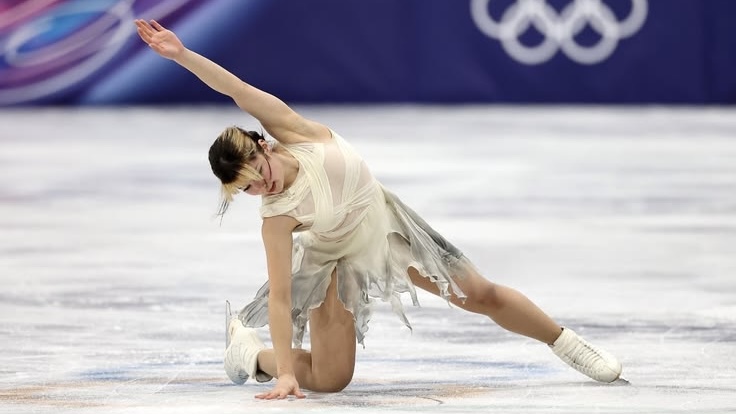
The Million-Dollar Medal: Alysa Liu’s Olympic Journey
July 29, 2026
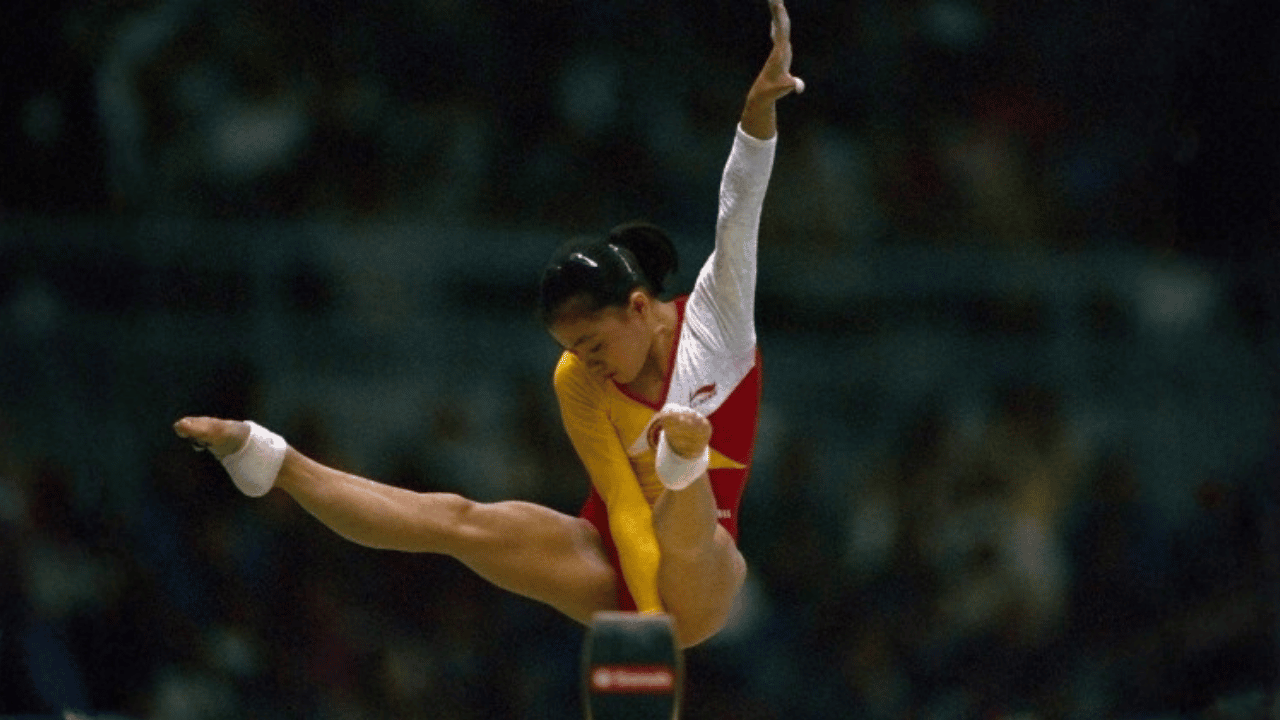
5 Skills Named After Olympic Gymnasts
February 21, 2026
A Guide to Rhythmic Gymnastics Apparatus
Competition highlights, industry trends, expert opinions, and stories from athletes and artists worldwide — delivered straight to your inbox