English
 中文 (中国)
 Español


July 29, 2026
5 Skills Named After Olympic Gymnasts
August 23, 2026
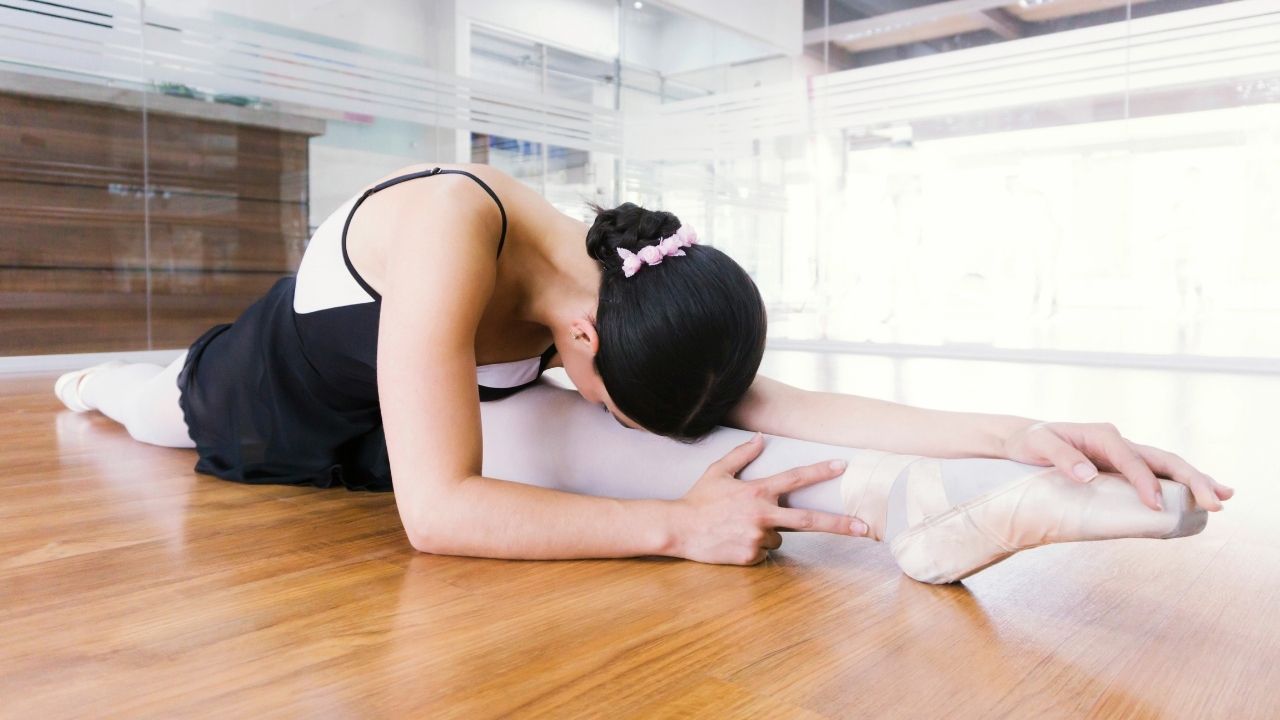
Pointe work can transform ballet technique, but it also places intense demands on the small muscles of the feet. For some dancers, one of the most frustrating problems is a sudden cramp through the arch — a painful tightening that can interrupt an exercise, rehearsal or performance.
Understanding why it happens can help dancers approach pointe work more intelligently.
The arch of the foot is supported by a network of small muscles, tendons and connective tissues. During pointe work, these structures help stabilize the foot and maintain control while the dancer balances on a very small base of support.
When the muscles become overloaded, they can suddenly contract and remain tight.
Arch cramps may be more likely when a dancer is:
A cramp does not necessarily mean that the foot is weak. Sometimes it is a sign that the muscles are being asked to work harder than they can comfortably sustain.
Pointe shoes create a very specific environment for the foot.
The dancer must maintain alignment while the toes, ankle and intrinsic foot muscles work together to control the position. If the dancer tries to create stability by curling or gripping the toes, the muscles underneath the foot may become excessively tense.
This can create a cycle: the dancer feels unstable, grips harder, becomes more fatigued and eventually develops a cramp.
Good technique therefore involves more than simply having strong feet.
It is tempting to think that stronger feet automatically solve cramping.
Strength is certainly important, but constant tension is not the same thing as strength.
A dancer needs to be able to activate the muscles when support is required and release unnecessary tension when it is not.
This is especially important in pointe work, where small changes in foot pressure can affect balance and alignment.
Exercises that develop controlled articulation of the foot can help dancers become more aware of how they use their arches rather than relying on a constant gripping action.
Arch cramps often appear toward the end of a class or rehearsal.
As fatigue builds, technique can change without the dancer immediately noticing. The feet may begin working harder to compensate for reduced control elsewhere in the body.
A dancer who normally maintains a relaxed foot may begin gripping with the toes or tightening the arch.
That is why simply pushing through a cramp is not always the best response.
Sometimes the more useful solution is to recognize fatigue earlier and modify the workload.
When an arch suddenly cramps, continuing to force the foot into position can make the discomfort worse.
The dancer should come out of the position safely and allow the muscle to relax. Gentle movement and stretching may help, depending on the situation.
It is also useful to consider what happened immediately beforehand.
Was the dancer fatigued? Had pointe work increased recently? Was there excessive toe gripping? Was the dancer trying to maintain balance through the foot alone?
Identifying the pattern can be more useful than simply treating each cramp as an isolated incident.
Preparation matters.
A gradual warm-up can help prepare the feet and ankles for the demands of pointe work. Dancers should also build pointe activity progressively rather than suddenly increasing duration or difficulty.
Foot-strengthening exercises can be useful when they are performed with proper technique and without creating excessive tension.
Equally important is recovery.
The feet are working continuously during ballet, and pointe work adds another level of demand. Rest between intensive sessions can give the muscles an opportunity to recover.
Occasional muscle cramps can happen, but recurring or severe cramping should not simply be ignored.
If cramps repeatedly interfere with pointe work, are accompanied by significant pain, weakness, swelling or other unusual symptoms, a qualified healthcare professional or sports physiotherapist can help determine whether there is an underlying issue.
For dancers, the goal is not simply to tolerate discomfort.
It is to develop feet that are strong, controlled and responsive without unnecessary tension.
Pointe work demands extraordinary precision. Learning when to engage the foot — and when to let it relax — can be just as important as building strength.
Achieve More With VSA: Boost your skills with world-class coaches for just $29/hour. Personalized programs 24/7, 365 days a year, anywhere in the world.
By Vitalina Andrushchenko, Staff Writer
Competition highlights, industry trends, expert opinions, and stories from athletes and artists worldwide — delivered straight to your inbox