

 English
 中文 (中国)
 Español


July 29, 2026
5 Skills Named After Olympic Gymnasts
November 13, 2025
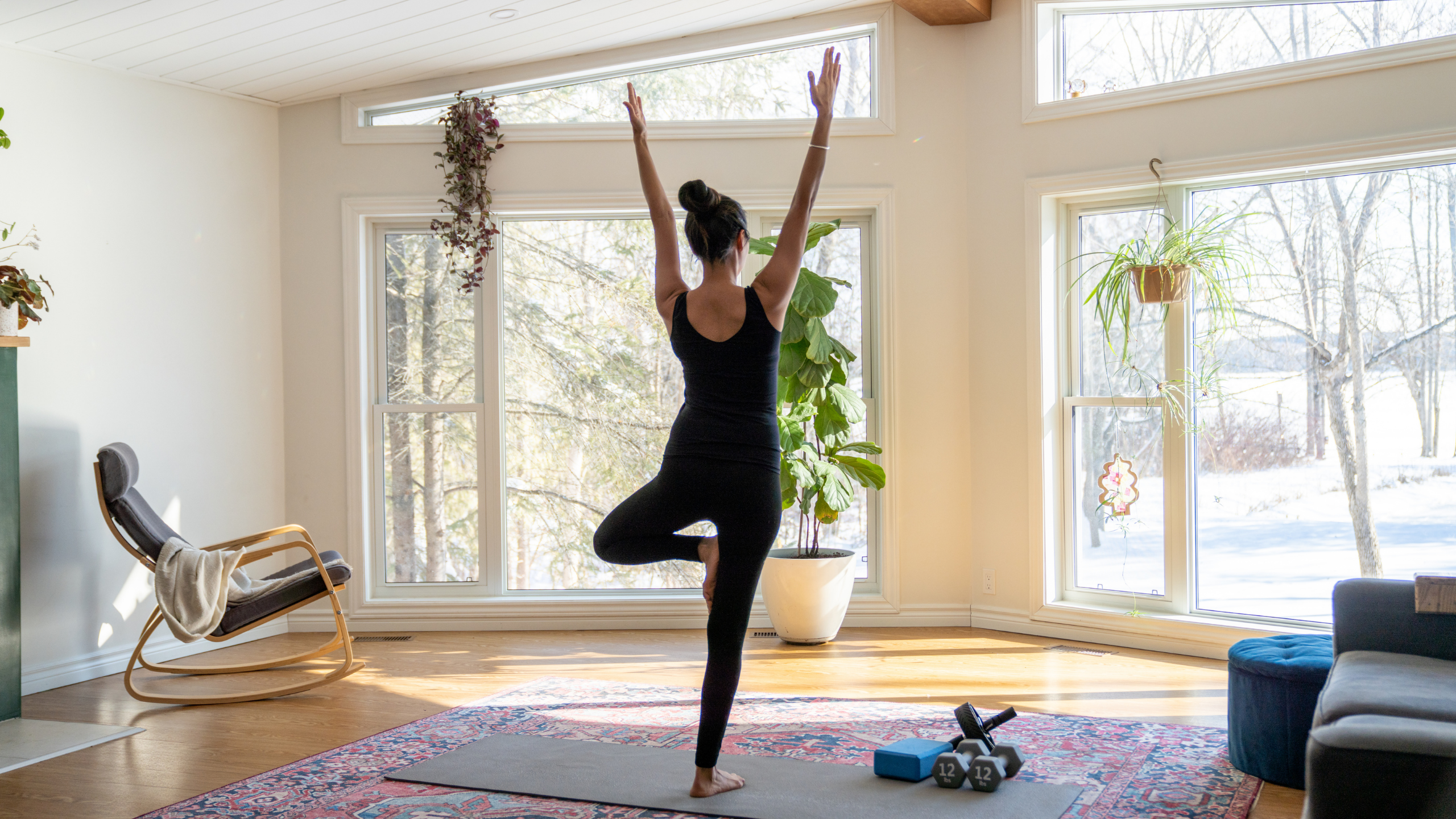
Imagine this: you’re carrying groceries, stepping off a curb, or just turning around in the kitchen — and you don’t wobble. That’s the power of good balance. And the best part? You don’t need a gym, a yoga mat, or even 30 minutes. Doctors now say the real secret is tiny balance habits sprinkled throughout your day. Just 10–15 minutes total — broken into little moments — can cut your chance of falling by 23%, according to a big 2022 study in The Lancet.
Even better: doing 5 or 6 quick 30-second moves works faster than one long workout. Why? Because your brain loves repetition. It’s like sending it little “stay steady” reminders all day long.
Think of your balance like a team of three best friends working together:
Here’s the hopeful part: You lose a tiny bit of balance every year after 30 — but you can get it all back with daily mini-practice. Doctors call this “use it or lose it.” And you’re about to use it — in the easiest way possible.
Let’s walk through your day and turn normal moments into balance boosters. Each one takes less than a minute, and every single one is backed by medical studies.
1. While brushing your teeth → Stand on one leg Just lift one foot a couple of inches off the floor. Hold it while you brush. Switch sides halfway. Why it works: A 12-year study of 1,200 people found that if you can stand on one leg for 20+ seconds, your risk of stroke and memory problems drops big time. Start holding the sink if you need to — let go when you’re ready.
2. Waiting for coffee or the microwave → Walk heel-to-toe Put one foot right in front of the other, like you’re on a tightrope. Take 5 slow steps forward, then 5 back. Why it works: Doctors tested this and saw 28% better walking balance in just 4 weeks. It trains your brain to handle rugs, curbs, or crowded sidewalks.
3. Watching TV → Stand up without using your hands During commercials, sit on the edge of the couch, cross your arms, and stand up slowly. Sit back down just as slow. Do 3–5 reps. Why it works: Every extra second it takes to stand up means 8% higher fall risk over 5 years. This move makes you faster and stronger.
4. Cooking or stirring something → Shift your weight side to side Stand at the stove. Put all your weight on your left leg for 3 seconds. Then switch to the right. Do it 5 times each side. Why it works: This wakes up the muscles on the sides of your hips. Doctors say it cuts sideways falls (like in the shower) by 31%.
5. Walking the dog (or just going outside) → Step on grass or gravel Leave the smooth sidewalk. Walk on the bumpy stuff for a minute. Why it works: Uneven ground makes your ankle muscles work 45% harder. That’s like a free balance gym — and it helps even if you have foot numbness.
6. Standing in line at the store → Squeeze your belly Pull your belly button toward your spine like you’re zipping tight jeans. Hold 5 seconds, relax. Do it 10 times. Why it works: A strong belly is your body’s built-in seatbelt. One study showed 30% better balance in 6 weeks just from this simple squeeze.
7. Getting out of bed → Roll and stand slowly Don’t pop up fast. Roll to your side, pause for 3 seconds, then push up with your arms and stand. Why it works: Rushing causes blood pressure drops and morning dizziness. Slow rising cuts that risk by 40%, say heart doctors.
8. Checking your phone → Turn your head slowly Look left, then right — nice and easy. Do it 5 times. Why it works: This retrains your inner ear. Doctors use it to stop chronic dizziness in 61% of patients in 8 weeks.
9. Folding laundry or picking up toys → Reach while standing on one leg Stand on your left leg. Reach across with your right hand to grab a sock. Switch sides. Why it works: It teaches your brain to catch you if you trip. Neurologists love this for quick recovery.
10. Before bed → Stand with feet together Put your feet side by side, touching. Hold for 30 seconds. When you’re ready, try it with your eyes closed. Why it works: This simple move improves nighttime balance by 25% in 4 weeks — perfect for those middle-of-the-night bathroom trips.
Your brain doesn’t care how long you practice — it cares how often. Doing a 60-second balance move 5 times a day is like giving your brain 5 little lessons. One 10-minute session? Just one lesson. Doctors say spaced practice builds balance 40% faster. Plus, these mini-moves keep your “quick-save” muscles ready — the ones that stop you from falling when you slip.
You don’t need to be perfect. Just start with ONE habit today. Maybe stand on one leg while brushing your teeth. Add another next week. In a month, you’ll walk with confidence, turn without fear, and feel 10 years younger — all from a few seconds here and there.
Your body learns what you teach it. Teach it balance — all day, every day.
Achieve More With VSA: Boost your skills with world-class coaches for just $29/hour. Perfect for skaters, hockey players, dancers, and athletes, VSA offers personalized training 24/7, 365 days a year, anywhere in the world.
By Vitalina Andrushchenko, Staff Writer
Competition highlights, industry trends, expert opinions, and stories from athletes and artists worldwide — delivered straight to your inbox


