 English
 中文 (中国)
 Español
July 29, 2026
5 Skills Named After Olympic Gymnasts
October 18, 2026
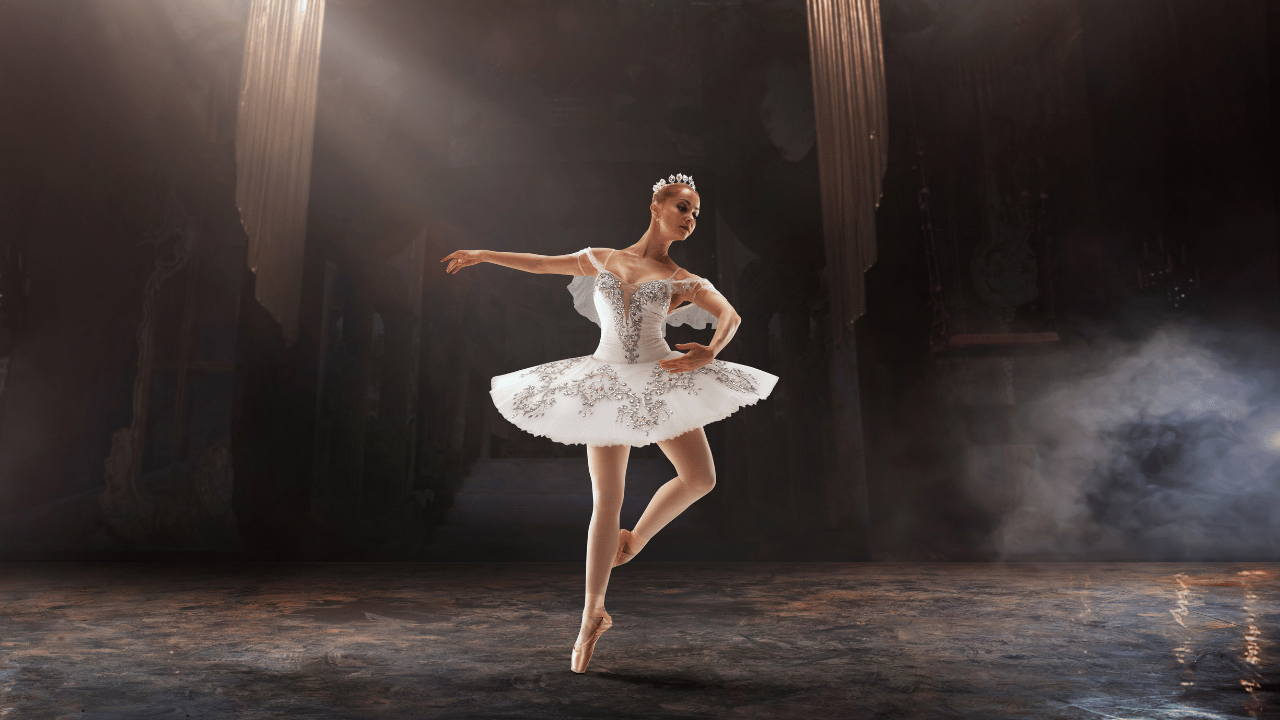
Ballet turns and spins require more than flexibility or natural talent. Good technique, balance, coordination, and consistent practice help dancers turn with greater control and confidence. Whether you are learning your first pirouette or refining multiple rotations, a few simple habits can make a noticeable difference.
A stable turn starts with a strong supporting leg. Keep the knee lifted and aligned with the toes, and avoid sinking into the hip. Engage your core muscles to maintain an upright posture throughout the rotation.
Practice balancing in retiré or passé before adding a turn. Hold the position for several seconds without gripping your toes or tensing your shoulders. The more stable your balance becomes, the easier it is to control your rotation.
Spotting helps dancers maintain orientation and reduces the disorienting feeling that can come with repeated turns. Choose a fixed point at eye level. As you rotate, keep your eyes on that point for as long as possible, then quickly turn your head to find it again.
Start slowly and focus on consistent head movement rather than the number of rotations. Good spotting should feel coordinated with the body, not forced or rushed.
Your arms help control the speed and stability of a turn. Keep them rounded and coordinated with your body, following the arm position required by the movement and your ballet training.
Avoid throwing your arms outward or pulling them inward suddenly. These movements can disrupt your balance and make your rotations unpredictable. Practice the preparation, arm pathway, and finish separately before putting them together.
A strong core helps keep your torso lifted and prevents unnecessary movement during a rotation. Think of lengthening upward through the crown of your head while keeping your ribs aligned over your pelvis.
Try a simple exercise: balance in passé with your arms in the correct position, breathe normally, and maintain a steady torso. Begin with a few seconds and gradually increase the time while preserving good alignment.
Trying to complete more rotations before mastering the basics can reinforce poor habits. Begin with a single controlled turn, aiming for a clear preparation, stable rotation, and balanced finish.
Once you can repeat the movement consistently, gradually work toward additional rotations under the guidance of your teacher. A clean single pirouette is more valuable for building technique than several uncontrolled turns.
A turn is not complete until the landing or final position is stable. Practice stopping without wobbling, dropping the supporting hip, or taking unnecessary steps. Keep your posture lifted and finish in the position required by the exercise or choreography.
Recording a short practice session can help you notice patterns, such as leaning, uneven arm placement, or a rushed preparation. Ask your teacher to help identify one or two priorities rather than trying to correct everything at once.
Include balance exercises, relevés, core strengthening, and slow turn preparations in your regular ballet practice. Warm up properly before attempting repeated rotations, and increase difficulty gradually. If you experience sharp pain or persistent discomfort, stop and seek appropriate guidance.
Better turns come from patience and repetition with good technique. Focus on alignment, spotting, coordinated arms, and a controlled finish. With consistent practice and feedback from a qualified ballet teacher, your turns can become smoother, steadier, and more confident.
Achieve More With VSA: Boost your skills with world-class coaches for just $29/hour. Personalized programs 24/7, 365 days a year, anywhere in the world.
By Vitalina Andrushchenko, Staff Writer
July 29, 2026
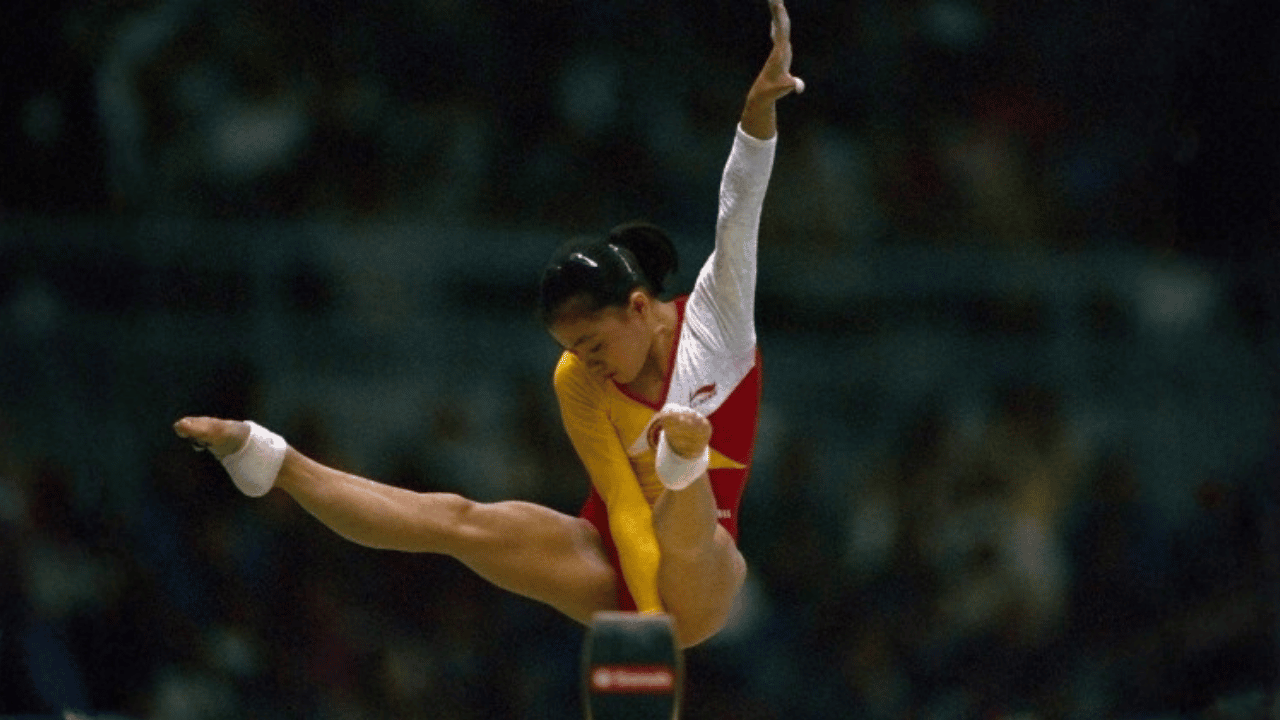
5 Skills Named After Olympic Gymnasts
May 24, 2026
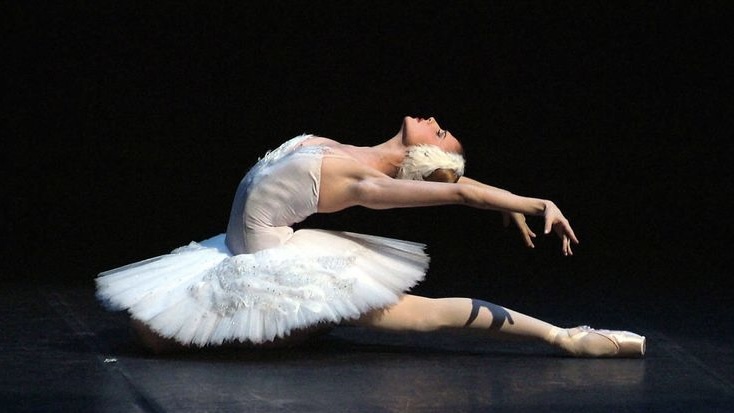
How to Improve Toe Point in Ballet

April 28, 2026
5 Ways to Hold Spin Positions Longer
Competition highlights, industry trends, expert opinions, and stories from athletes and artists worldwide — delivered straight to your inbox