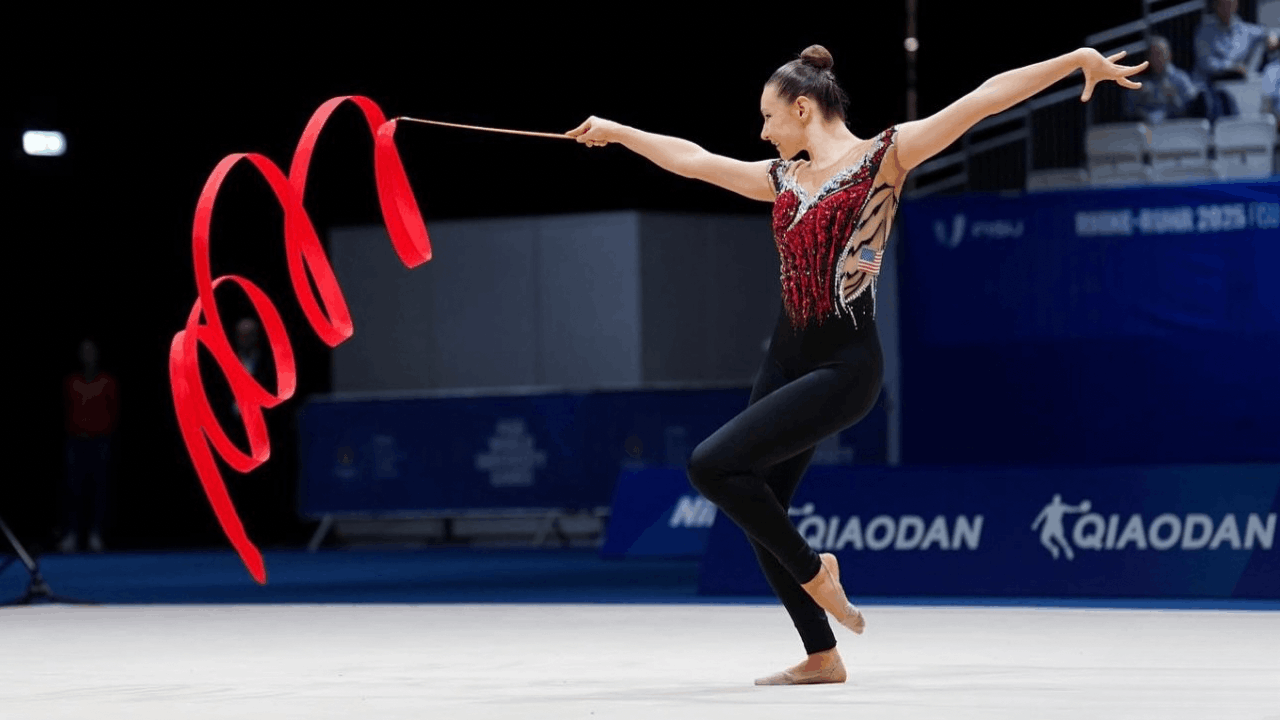
In the high-stakes world of gymnastics, where a single slip on the beam or a stepped landing can feel like a catastrophe, your mental resilience is just as important as your physical strength. Every elite athlete—including Olympic champions—has faced the crushing disappointment of a “bad” meet.
The difference between a one-time slump and a career-ending slide is how you process the failure. As the 2026 competitive season heats up, learning to decouple your self-worth from your scoreboard results is the ultimate secret to longevity in the sport.
1. The “24-Hour Rule”
Many elite coaches and sports psychologists recommend the 24-hour rule: allow yourself exactly one day to feel the full weight of the disappointment. Cry, vent, and be frustrated—but once the sun rises the next day, the emotional mourning period is over. It’s time to pivot from feeling to analyzing.
2. Radical Objective Analysis
A “bad” competition is actually a data goldmine. Instead of saying “I was terrible,” break the performance down into technical facts.
Did the fall happen because of a lack of power, a missed hand placement, or a lapse in focus?
The Strategy: Fixating on the “mistake” creates fear; fixating on the “fix” creates confidence.
Wisdom from the Greats: Tips to Rebuild Your Spark
Even the most famous gymnasts in history have had to navigate the dark days of competition. Here is how they stayed confident:
Simone Biles (USA): Focus on the “Human” First Biles famously taught the world that “I’m more than my medals.” Her advice for bouncing back is to prioritize mental health and realize that one bad day doesn’t erase years of hard work.
Tip:Practice “Self-Affirmation.” Remind yourself of the skills you did land and the effort you put into training, rather than just the one skill that went wrong.
Nadia Comăneci (ROU): Success is a Ladder The first gymnast to score a Perfect 10 reminds athletes that perfection isn’t a permanent state.
Tip:Lower the Pressure. After a bad meet, go back to the gym and master the “basics” again. Re-landing a simple cartwheel or a perfect basic swing rebuilds the neurological “win” signal in your brain.
Evita Griskenas (USA): Use the “Process” Filter As a psychology expert and rhythmic star, Evita suggests looking at the process rather than the outcome.
Tip:Redefine Victory. If you missed a catch but handled the rest of the routine with better expression than ever before, that is a victory. Find the small wins within the larger loss.
Sunisa Lee (USA): Embrace the “One Skill at a Time” Mantra After struggling with health issues and performance pressure, Suni Lee advocates for staying in the present.
Tip:Don’t Look at the Scoreboard. Focus on the very next training session. Confidence isn’t found in a gold medal; it’s found in the successful completion of a single, solid practice rep.
The Recovery Glossary
Growth Mindset: The belief that abilities can be developed through dedication; viewing a “fail” as a “First Attempt In Learning.”
Memory Bias: The tendency to remember only the negative parts of an event. Overcome this by writing down three things you did well after every meet.
Visualization: Re-imagining the missed skill in your mind, but this time, “seeing” yourself landing it perfectly to overwrite the negative memory.
Ultimately, your confidence shouldn’t be a trophy on a shelf—it should be the fire in your belly that burns even brighter after a cold day on the competition floor.
Achieve More With VSA: Boost your skills with world-class coaches for just $29/hour. VSA offers personalized training 24/7, 365 days a year, anywhere in the world.


 English
 中文 (中国)
 Español