 English
 中文 (中国)
 Español
February 19, 2026
The Million-Dollar Medal: Alysa Liu’s Olympic Journey
July 26, 2026
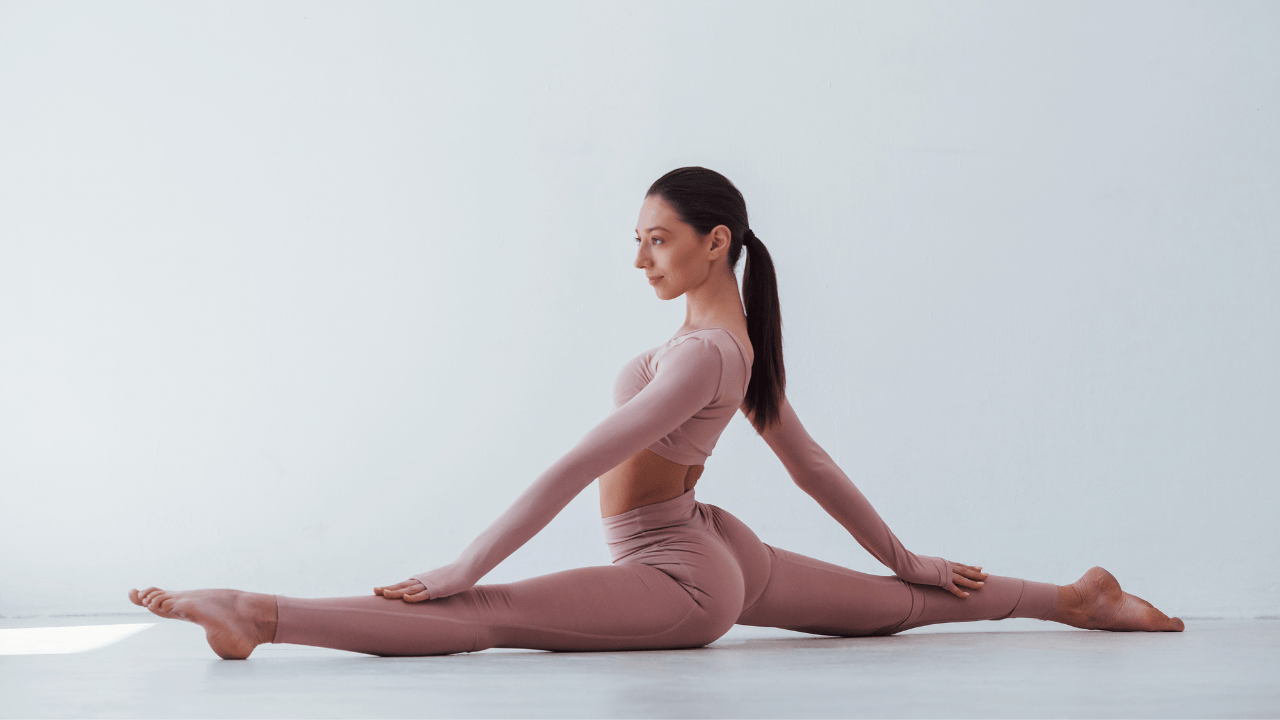
A perfect split looks effortless, but it is actually the result of flexibility, strength, mobility, balance, and precise body alignment working together. Many people believe that achieving a full split depends only on stretching harder. In reality, the body’s anatomy plays a much bigger role. Understanding which muscles and joints are involved can help dancers, gymnasts, figure skaters, and athletes improve more efficiently while reducing the risk of injury.
(Source: American College of Sports Medicine (ACSM), International Association for Dance Medicine & Science (IADMS))
A front split requires coordinated movement from several parts of the body.
The front leg primarily stretches the hamstrings and calf muscles, while the back leg requires flexibility in the hip flexors, quadriceps, and the front of the hip. At the same time, the gluteal muscles, abdominal muscles, and lower back stabilize the pelvis to maintain correct alignment.
Many athletes focus only on stretching their hamstrings, but limited hip mobility or poor pelvic control often becomes the real restriction.
One of the biggest misconceptions is that flexibility and strength are opposites.
In reality, muscles need strength to safely lengthen and support the joints at their maximum range of motion. Weak muscles cannot stabilize the hips, causing the body to twist, lean, or compensate during a split.
Modern flexibility training therefore combines active flexibility, controlled strengthening exercises, and mobility work instead of passive stretching alone.
Anna Bessonova was widely admired for the elegance of her split positions throughout her international career.
Her flexibility was impressive, but what made her lines exceptional was her body control. During leaps and balances, her hips remained square, both knees stayed fully extended, her toes were strongly pointed, and her upper body remained lifted without collapsing into the lower back.
Coaches often use athletes like Bessonova as examples because perfect split lines come from alignment rather than flexibility alone. Even athletes with extreme flexibility lose points if the pelvis rotates excessively, the back knee bends, or the feet are not fully extended.
The pelvis acts as the center of the split.
If it rotates or tilts unevenly, the split may appear deeper than it actually is while placing unnecessary stress on the lower back.
Proper alignment means both hip bones remain facing forward in a front split. Maintaining this position often feels more difficult, but it develops safer flexibility and cleaner technique.
Muscles naturally protect the body from moving beyond what the brain considers safe.
When the nervous system detects instability, it increases muscle tension, limiting flexibility. This is one reason why relaxed breathing, gradual stretching, and consistent practice often improve splits more effectively than forcing the body downward.
Athletes frequently notice that they become more flexible after a proper warm-up because muscle temperature increases and the nervous system becomes more comfortable with larger ranges of motion.
Professional rhythmic gymnasts and ballet dancers spend years developing both passive and active flexibility. Research shows that active flexibility—the ability to lift and hold the leg using muscular strength—is often a better predictor of technical performance than passive flexibility alone. Genetics influence joint structure and muscle length, but nearly everyone can improve flexibility through consistent, well-designed training. Recovery, sleep, hydration, and adequate nutrition also affect how muscles respond to stretching.
(Source: IADMS, ACSM)
Always warm up before stretching with light cardio and dynamic mobility exercises. Strengthen your hip flexors, glutes, hamstrings, and core alongside flexibility training. Stretch both sides equally to maintain muscular balance. Focus on keeping the pelvis square instead of forcing yourself lower, breathe slowly throughout each stretch, and practice consistently rather than trying to make dramatic progress in a single session.
Recording your stretching sessions from the side and from the front can also reveal small alignment errors that are difficult to notice while stretching.
A perfect split is not simply the result of naturally flexible muscles.
It reflects the combined work of mobility, strength, stability, posture, and body awareness. Athletes who understand the anatomy behind flexibility train more efficiently, progress more safely, and develop beautiful split lines that improve both performance and injury prevention.
Achieve More With VSA: Boost your skills with world-class coaches for just $29/hour. Personalized programs 24/7, 365 days a year, anywhere in the world.
By Vitalina Andrushchenko, Staff Writer
February 19, 2026
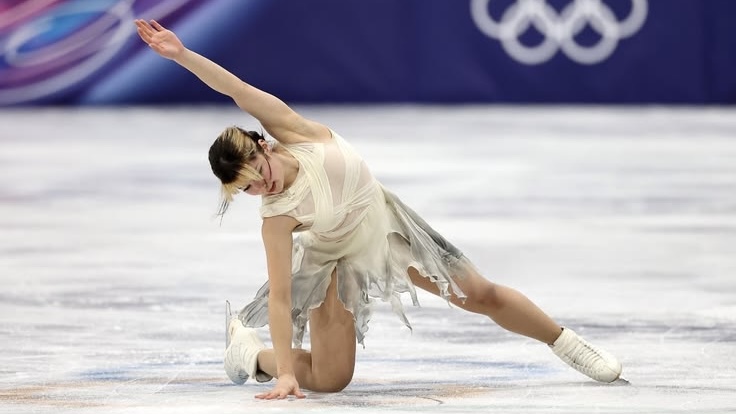
The Million-Dollar Medal: Alysa Liu’s Olympic Journey
February 21, 2026
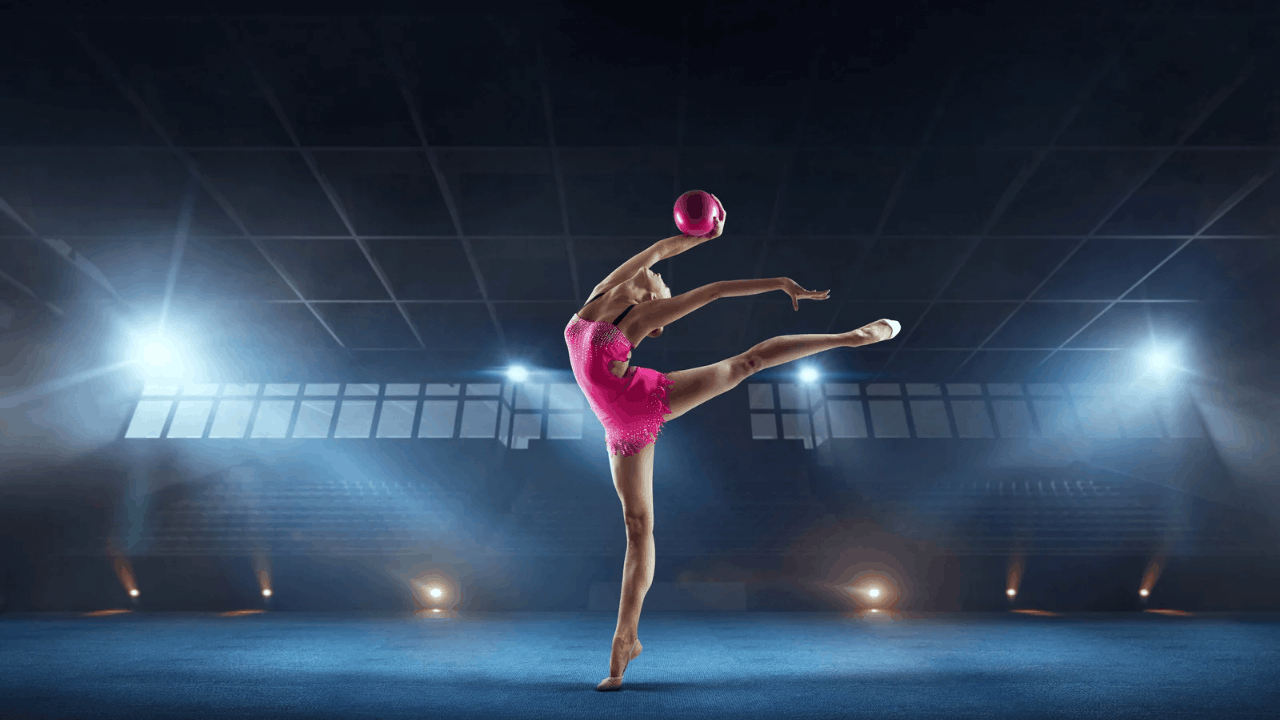
A Guide to Rhythmic Gymnastics Apparatus
February 18, 2026
Ami Nakai Stuns With Triple Axel to Lead Olympic Short Program
Competition highlights, industry trends, expert opinions, and stories from athletes and artists worldwide — delivered straight to your inbox