

 English
 中文 (中国)
 Español


July 29, 2026
5 Skills Named After Olympic Gymnasts
January 02, 2026
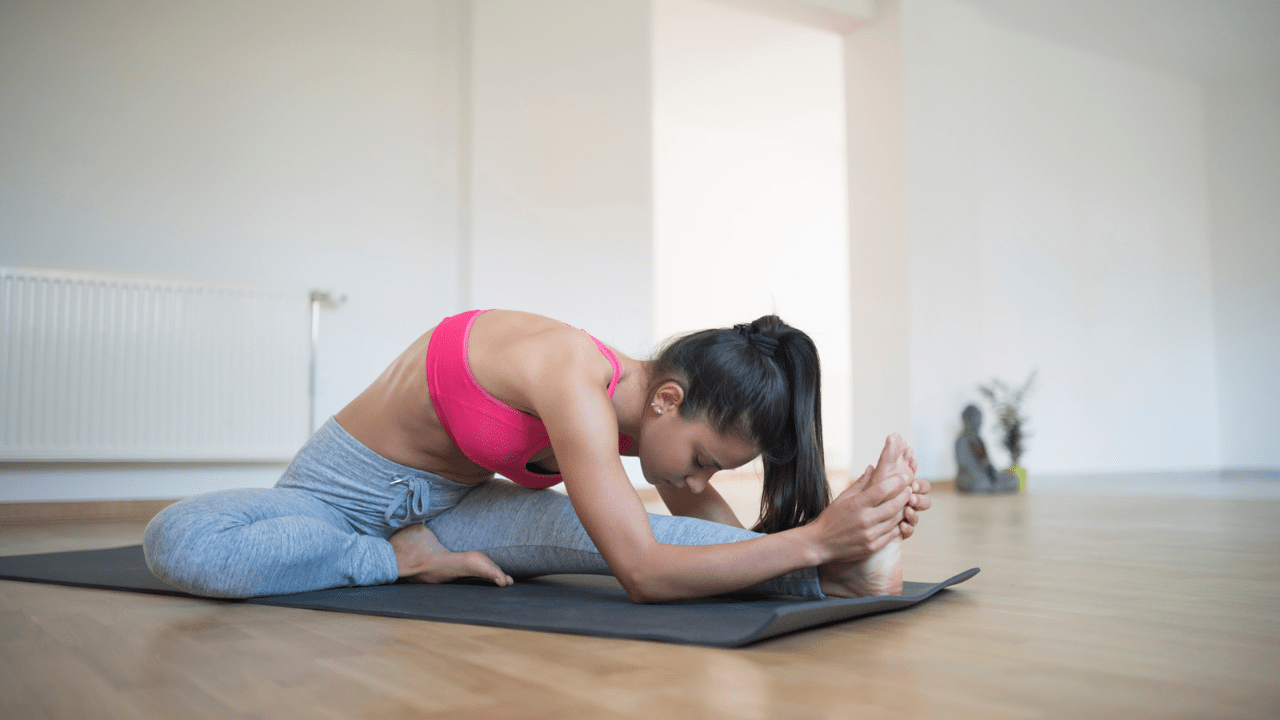
You’ve finished a grueling workout, your muscles are pumped, and you decide to do the “responsible” thing: you grab your ankle for a quad stretch or reach for your toes and hold it for sixty seconds. You think you’re preventing injury and speeding up recovery.
In reality, you might be making the biggest mistake in flexibility training: relying on Passive Static Stretching when your body actually needs Active Mobility.
Static stretching—holding a muscle in a fixed, elongated position—has its place, but using it as a “warm-up” or as your only recovery tool can actually decrease your power output and fail to improve your functional range of motion.
The problem is Neurological Inhibition. When you hold a cold muscle in a deep stretch for too long, your nervous system sends a signal to that muscle to “shut down” or relax. If you do this before a game or a lifting session, you are essentially asking your muscles to go to sleep right before you need them to be explosive.
To truly see progress, you must move from stretching a muscle to controlling it. This is where PNF (Proprioceptive Neuromuscular Facilitation) and Dynamic Mobility come in.
Instead of just reaching for your toes, try this:
Before your workout, replace static holds with movement-based stretching.
To stop slowing your progress, follow this simple hierarchy:
The key to longevity and performance is understanding that flexibility is the ability to reach a position, but mobility is the ability to control it. If you have a massive range of motion but no strength within that range, you are essentially a car with loose steering. By shifting your focus from passive tugging to active engagement, you not only unlock deeper ranges but also bulletproof your joints against injury. Stop just “hanging out” in your stretches and start training your nervous system to own every inch of movement you have.
Achieve More With VSA: Boost your skills with world-class coaches for just $29/hour. Perfect for skaters, hockey players, dancers, and athletes, VSA offers personalized training 24/7, 365 days a year, anywhere in the world.
By Vitalina Andrushchenko, Staff Writer
Competition highlights, industry trends, expert opinions, and stories from athletes and artists worldwide — delivered straight to your inbox


