

 English
 中文 (中国)
 Español


July 29, 2026
5 Skills Named After Olympic Gymnasts
July 21, 2025
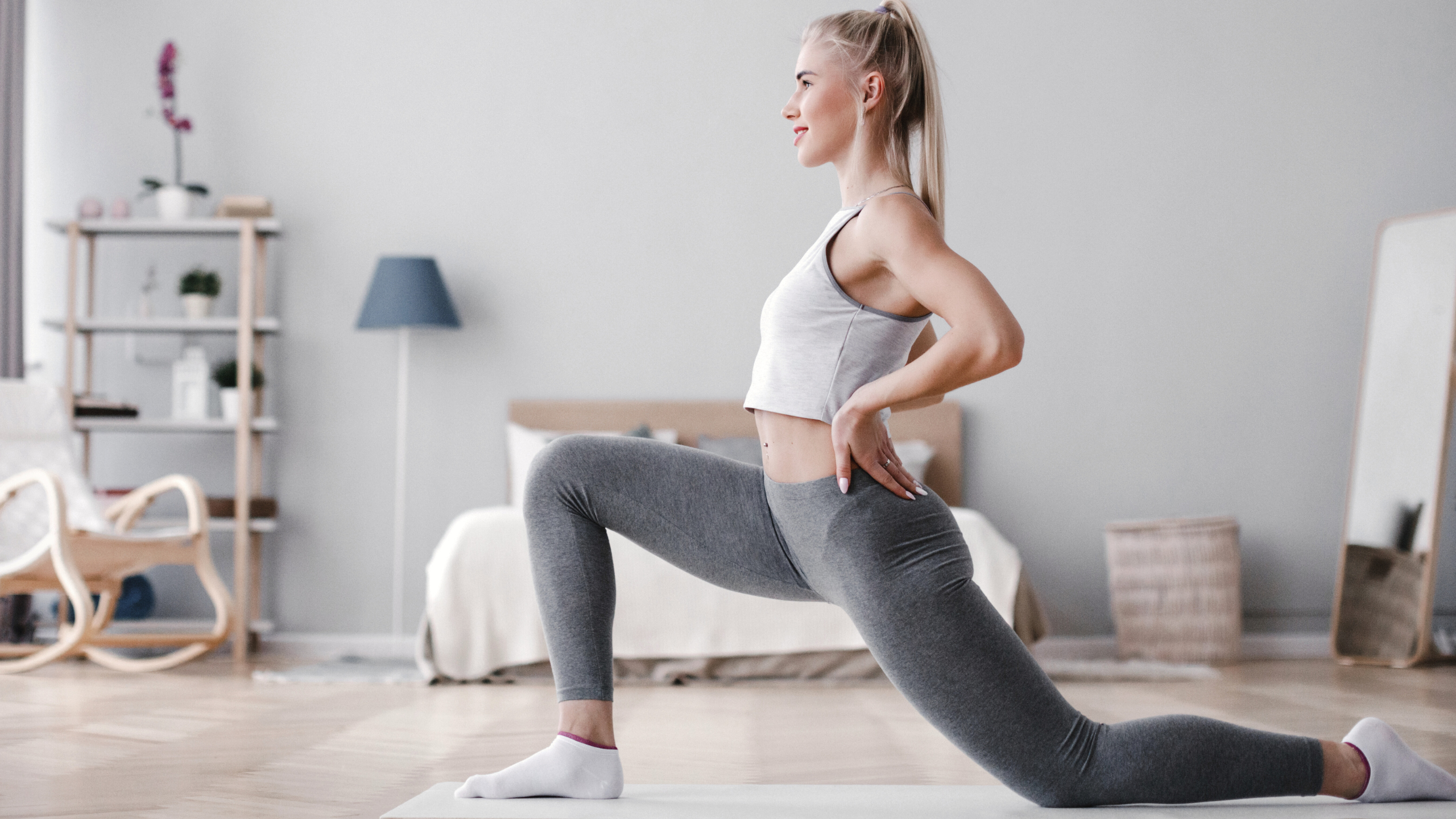
In the fast-paced world of 2025, quality sleep is a precious commodity, and stretching has emerged as a simple, effective tool to enhance it. Beyond its physical benefits, stretching before bed can relax the body, calm the mind, and prepare you for deeper, more restorative sleep. From office workers to students, people are discovering that gentle stretching routines can improve sleep quality by reducing tension and promoting relaxation. This article explores the science behind stretching’s impact on sleep, its practical benefits, and tips for incorporating it into your nightly routine.
Stretching promotes sleep by engaging the body’s relaxation mechanisms. Gentle stretches activate the parasympathetic nervous system, which slows heart rate and lowers cortisol levels, signaling the body to rest. A 2023 study in Journal of Sleep Research found that 10 minutes of evening stretching reduced sleep onset time by 15% and increased deep sleep by 12%. Stretching also boosts blood flow to muscles, easing tension that can disrupt sleep, as noted in a 2022 Sleep Medicine Reviews article. This process helps create a relaxed state, making it easier to drift off, a benefit praised on X for its calming effects.
Physical tension, often from prolonged sitting or stress, can lead to discomfort that hinders sleep. Stretching targets tight muscles—such as the neck, shoulders, and lower back—releasing knots that cause restlessness. A 2024 Journal of Physical Therapy Science study showed that 15-minute stretching sessions before bed reduced muscle stiffness by 20%, improving sleep quality for participants with sedentary lifestyles. For example, office workers in 2025 community wellness programs, like Move for Health, report that evening stretches help them “melt away the day’s stress,” leading to fewer nighttime awakenings. This physical release fosters a state conducive to falling asleep faster.
Stretching’s benefits extend to mental relaxation, a key factor in better sleep. Slow, mindful stretching encourages focus on breath and movement, mimicking meditation and reducing racing thoughts. A 2023 Journal of Clinical Sleep Medicinestudy found that combining stretching with deep breathing lowered anxiety scores by 18%, helping participants fall asleep 10 minutes faster on average. This approach mirrors mindfulness practices, where attention to movement quiets the mind. Social media posts on X highlight how 5-minute bedtime stretches feel like “a mental reset,” easing the mind into sleep.
Regular stretching before bed can improve both the quality and duration of sleep. By reducing muscle tension and stress, stretching helps maintain uninterrupted sleep cycles, particularly deep and REM stages critical for recovery. A 2024 Sleep Health study reported that nightly stretching routines increased total sleep time by 25 minutes for adults with mild insomnia. Participants in 2025 wellness workshops, such as those organized by Wellness Today, note deeper sleep after evening stretches, attributing it to a relaxed body and mind. This cumulative effect makes stretching a powerful tool for consistent, restorative rest.
Myth 1: Stretching Before Bed Overstimulates the Body
Gentle, static stretching promotes relaxation, not arousal, unlike vigorous exercise, per a 2023 Journal of Sports Sciencesstudy, making it ideal for pre-sleep routines.
Myth 2: You Need Long Stretching Sessions
Even 5-10 minutes of stretching can improve sleep, as shown in a 2024 Health Psychology study, fitting easily into busy schedules.
Myth 3: Stretching Is Only for Athletes
Anyone can benefit, from office workers to students, as community programs like Move for Health in 2025 demonstrate, with no advanced skills required.
The connection between stretching and better sleep lies in its ability to relax the body and mind, paving the way for deeper, more restorative rest. In 2025, as people prioritize wellness, stretching offers an accessible, effective way to combat sleeplessness and enhance overall health. Whether you’re winding down from a long day or preparing for a busy tomorrow, a short stretching routine can transform your sleep quality. Embrace this simple practice, and discover how small movements before bed can lead to big improvements in rest and recovery.
Achieve More With VSA: Boost your skills with world-class coaches for just $29/hour. Perfect for skaters, hockey players, dancers, and athletes, VSA offers personalized training 24/7, 365 days a year, anywhere in the world.
By Vitalina Andrushchenko, Staff Writer
Competition highlights, industry trends, expert opinions, and stories from athletes and artists worldwide — delivered straight to your inbox


