English
 中文 (中国)
 Español


July 29, 2026
5 Skills Named After Olympic Gymnasts
September 04, 2025

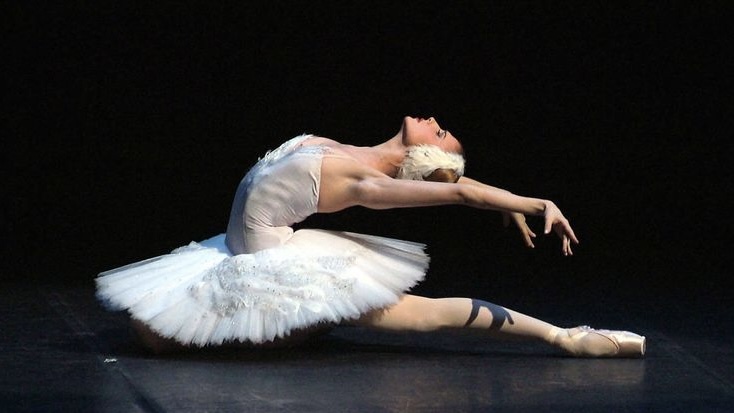
The ballet Giselle, a cornerstone of the Romantic era, has captivated audiences since its 1841 premiere with its haunting tale of love, betrayal, and redemption. Among its countless performances, one stands out as a defining moment in ballet history: Rudolf Nureyev’s 1962 staging with Margot Fonteyn at the Royal Ballet in London. Behind the ethereal beauty of this performance lies a story of artistic risk, personal sacrifice, and a partnership that redefined ballet’s emotional power.
In 1962, Rudolf Nureyev, a 23-year-old Soviet defector, was a rising star whose raw intensity and virtuosic technique electrified audiences. Paired with Margot Fonteyn, a 42-year-old prima ballerina nearing the twilight of her career, the duo seemed an unlikely match. The Royal Ballet’s decision to cast them in Giselle raised eyebrows, as Fonteyn’s lyrical grace contrasted with Nureyev’s fiery dynamism. Yet, this contrast became the secret to their magic. Nureyev’s innovative choreography for Albrecht, the nobleman who betrays Giselle, deepened the character’s remorse, while Fonteyn’s portrayal of the peasant girl turned ghostly Wili was heartbreakingly tender (Classic FM, 2024). An X post from a ballet enthusiast captured the moment: “Nureyev and Fonteyn in Giselle—pure alchemy on stage!”
The production faced significant hurdles. Nureyev, fresh from his 1961 defection from the Soviet Union, was under intense scrutiny, with political tensions adding pressure to his Western debut (Ballet Herald, 2025). Fonteyn, meanwhile, battled physical exhaustion and self-doubt about performing the demanding role of Giselle at her age. Rehearsals were grueling, with Nureyev pushing for a faster, more dramatic tempo to Adolphe Adam’s score, challenging the Royal Ballet’s traditional approach (English National Ballet, 2023). Despite these obstacles, their shared commitment to storytelling transformed Giselle into a transcendent experience, with the second act’s ghostly Wilis—spirits of betrayed brides—evoking chills as they danced under moonlight.
The February 1962 performance at Covent Garden was a turning point. Nureyev’s Albrecht, wracked with guilt, brought a new psychological depth, while Fonteyn’s Giselle, particularly in the iconic Act II Wili scene, radiated forgiveness and ethereal grace (MasterClass, 2021). The audience was spellbound, with critics noting the duo’s ability to convey the ballet’s themes of love and redemption without words (Twirling Ballerinas, 2024). The performance not only revived Fonteyn’s career but also cemented Nureyev’s status as a global icon, proving that Giselle’s timeless story could resonate in a modern era.
This 1962 Giselle remains a benchmark for ballet partnerships, showcasing how vulnerability and trust between dancers can elevate a performance. Nureyev and Fonteyn’s collaboration inspired countless productions, with their influence still felt in stagings like the English National Ballet’s 2024-25 season (English National Ballet, 2023). For fans eager to explore Giselle’s magic, performances can be streamed on platforms like Marquee TV, where the ballet’s haunting beauty continues to enchant (Marquee TV, 2025).
Achieve More With VSA: Boost your skills with world-class coaches for just $29/hour. Perfect for skaters, hockey players, dancers, and athletes, VSA offers personalized training 24/7, 365 days a year, anywhere in the world.
By Vitalina Andrushchenko, Staff Writer
Competition highlights, industry trends, expert opinions, and stories from athletes and artists worldwide — delivered straight to your inbox