 English
 中文 (中国)
 Español
February 19, 2026
The Million-Dollar Medal: Alysa Liu’s Olympic Journey
July 04, 2026
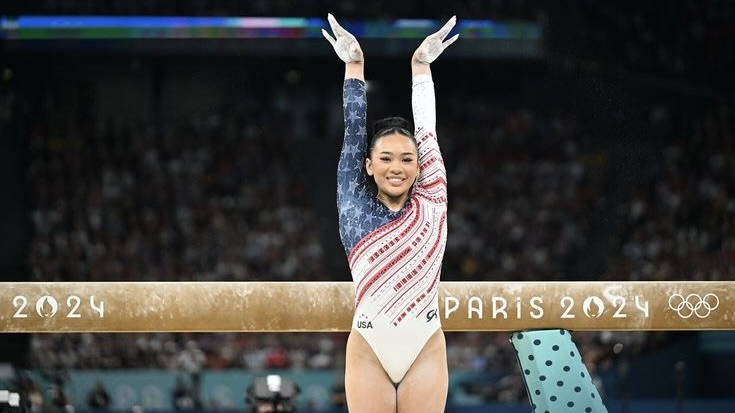
The balance beam is one of the most demanding apparatus in artistic gymnastics. Measuring only 10 centimeters (4 inches) wide and 5 meters (16.4 feet) long, it requires exceptional balance, precision, strength, flexibility, and confidence. A routine combines acrobatic skills, dance elements, turns, leaps, and a dismount, all performed on a surface barely wider than a gymnast’s foot.
Many beam mistakes are not caused by a lack of talent but by small technical errors that gradually affect the entire routine.
One of the most common mistakes among beginners is constantly looking at the beam.
Although it feels safer, looking down shifts body alignment forward and makes balance more difficult. Coaches usually teach gymnasts to focus on a fixed point at eye level or at the end of the beam. Keeping the head in a natural position helps maintain better posture and improves stability during skills.
Many gymnasts rush through connections because they worry about losing balance.
Ironically, rushing often creates more mistakes. Controlled rhythm allows the body to stay centered over the beam and gives the gymnast enough time to prepare for each movement. Elite gymnasts appear fast only because every movement is well controlled.
Balance starts from the center of the body.
If the abdominal and back muscles are not fully engaged, even simple skills become unstable. Strong core control keeps the hips aligned and reduces unnecessary body movement during leaps, turns, and acrobatic elements.
Exercises such as hollow holds, planks, and controlled leg lifts help develop beam stability.
Arms are an important tool for maintaining balance.
Some gymnasts move their arms randomly whenever they begin losing control. Instead, arm movements should remain intentional and coordinated with every skill. Stable arm positions improve body alignment and make corrections smaller and more efficient.
Many gymnasts perform confidently until they experience a fall.
Afterward, hesitation often appears before difficult skills, causing slower takeoffs, incomplete rotations, or additional balance checks. The longer fear remains, the more it changes technique.
Returning gradually by repeating the skill on a low beam, floor line, or soft training beam helps rebuild confidence without creating unnecessary stress.
Sunisa Lee is known for her calm and controlled beam performances at the highest level of international competition.
One of the strengths of her beam routine is her rhythm. Rather than rushing from one element to another, Lee allows each skill to finish before beginning the next. Her posture remains upright, her core stays engaged throughout difficult acrobatic series, and her arm movements remain precise instead of reactive.
This technique minimizes unnecessary balance corrections and allows her to maintain consistency under pressure. Her performances demonstrate that successful beam routines rely on control and efficiency as much as on difficult skills.
Studies of balance training show that gymnasts rely heavily on proprioception—the body’s ability to sense joint position and movement without looking. Through thousands of repetitions, the brain learns to make tiny automatic adjustments that keep the body balanced even during complex acrobatic skills.
This is why experienced gymnasts often recover from small balance errors before spectators even notice them.
(Source: Journal of Sports Sciences)
Consistent beam improvement comes from practicing quality rather than quantity. Walking slowly on the beam, holding positions for several seconds, repeating turns with perfect posture, strengthening the core, and recording practice sessions all help identify technical habits before they become permanent.
Mental rehearsal is also valuable. Many elite gymnasts visualize complete beam routines before training or competition, improving confidence and movement accuracy.
Every gymnast loses balance occasionally, even Olympic champions.
The difference is that experienced athletes understand how to correct small technical mistakes before they become major errors. Good posture, controlled rhythm, strong core stability, confident movement, and patient repetition all contribute to more consistent beam performances.
Mastering the balance beam is not about avoiding mistakes completely—it is about learning how to respond to them with confidence and solid technique.
Achieve More With VSA: Boost your skills with world-class coaches for just $29/hour. Personalized programs 24/7, 365 days a year, anywhere in the world.
By Vitalina Andrushchenko, Staff Writer
February 19, 2026
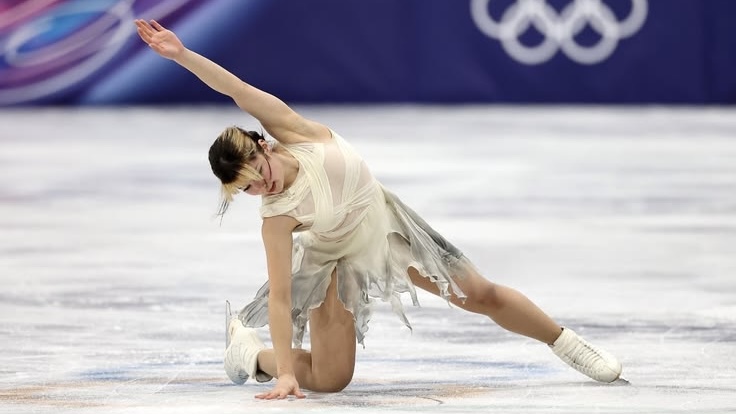
The Million-Dollar Medal: Alysa Liu’s Olympic Journey
January 08, 2026
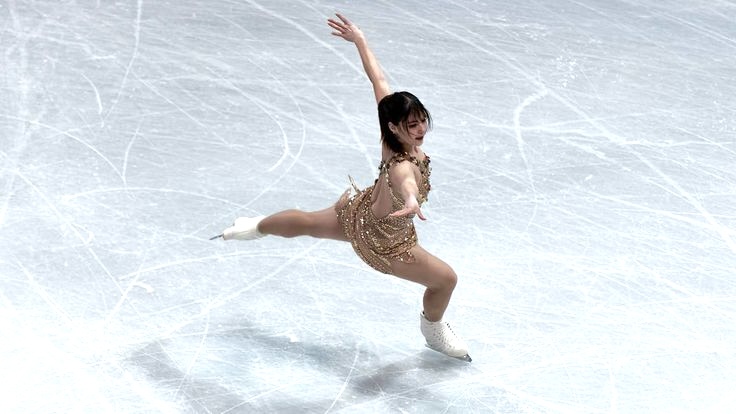
2026 U.S. Skating Nationals Results
February 21, 2026
A Guide to Rhythmic Gymnastics Apparatus
Competition highlights, industry trends, expert opinions, and stories from athletes and artists worldwide — delivered straight to your inbox