 English
 中文 (中国)
 Español
February 19, 2026
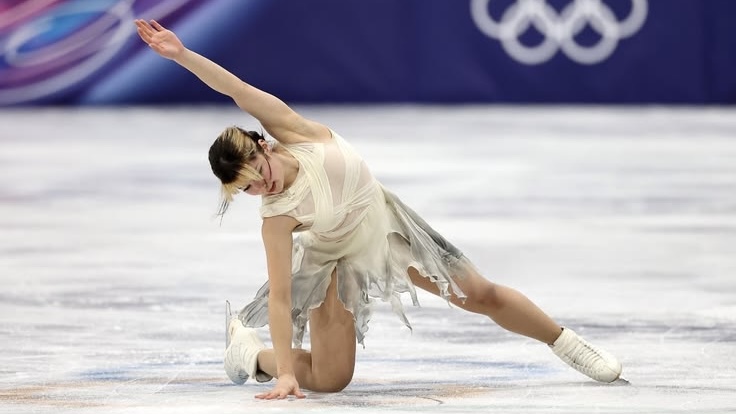
The Million-Dollar Medal: Alysa Liu’s Olympic Journey
March 19, 2025
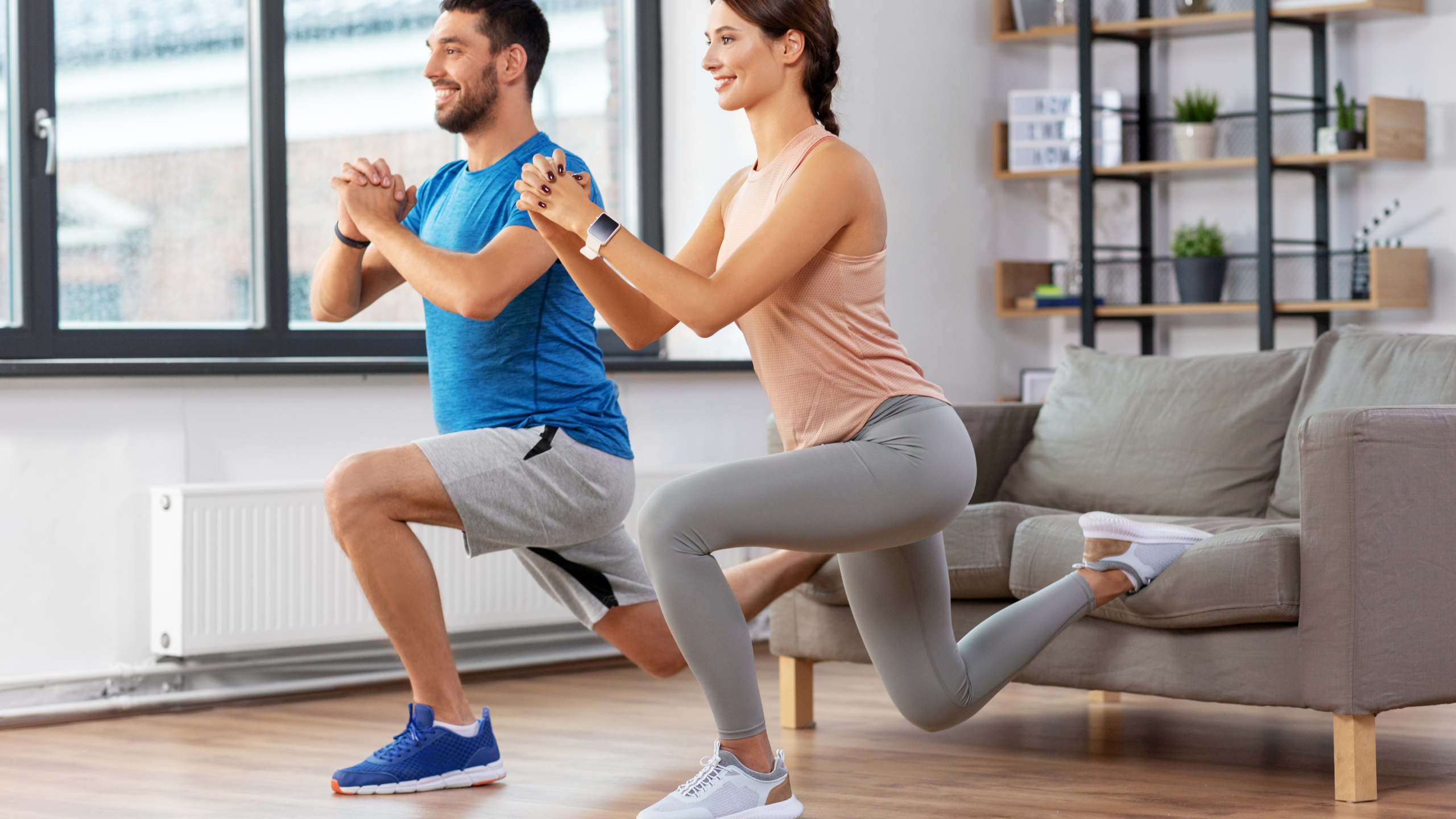
Group fitness classes—think full-body basics, CrossFit, or conditioning—aren’t just workouts; they’re a psychological powerhouse. Beyond the sweat, the pull of community taps into our brains, boosting motivation, accountability, and joy. Science unpacks why these classes, from burpees to box jumps, thrive on togetherness.
Humans are pack animals, and fitness amplifies this. A 2017 PLOS One study found group exercisers stuck with routines 35% longer than soloists, thanks to social bonds. The brain’s mirror neurons fire when we see others move—watching a classmate nail a deadlift primes us to try harder, per a 2020 Neuroscience Letters study. In CrossFit’s high-fives or a conditioning class’s cheers, connection fuels effort.
Ever skip a solo gym day but drag yourself to a group class? That’s psychology at work. A 2019 Journal of Behavioral Medicine study showed group settings cut dropout rates by 25%—knowing others expect you there triggers a sense of duty. In full-body basics, your spot in the lineup matters; in CrossFit, your crew notices if you’re MIA. It’s not guilt—it’s belonging.
Exercise pumps out endorphins, but groups supercharge it. A 2021 Psychology of Sport and Exercise study found synchronized movement—like a conditioning class’s burpee countdown—spikes endorphin release by 20% more than solo workouts. Shared struggle turns pain into bonding; that post-class high isn’t just physical—it’s communal euphoria.
Group fitness blends rivalry and support. A 2018 Journal of Sports Sciences study showed friendly competition—like racing a partner in CrossFit’s AMRAP (as many reps as possible)—lifts performance by 15%. Yet it’s not cutthroat; clapping for the last finisher in a full-body class builds trust. The brain’s reward system lights up, per a 2022 Neuropsychologia study, balancing “I can do it” with “we’re in this together.”
Solo workouts can feel isolating, but groups breed belief. A 2020 Health Psychology study found class-goers reported 18% higher self-efficacy—faith in their abilities—thanks to role models and encouragement. Seeing a newbie master a push-up in conditioning or a vet crush a clean in CrossFit proves it’s doable. The room’s energy whispers, “You’ve got this.”
Psychologist Charles Duhigg’s habit loop—cue, routine, reward—thrives here. The class schedule (cue) prompts showing up, the workout (routine) delivers challenge, and the group’s vibe (reward) keeps you hooked. A 2016 Health Psychology Review study says social rewards strengthen this loop, making consistency feel less like work and more like play.
Today’s group fitness leans hard into this psychology. CrossFit boxes host potlucks, basic fitness classes spark group chats, and conditioning crews share progress on X. Tech amplifies it—apps track collective goals, and virtual classes beam the vibe worldwide. It’s not just exercise; it’s a tribe.
Group fitness classes harness psychology to make fitness stick. Connection sparks effort, accountability locks it in, and shared highs keep it fun. Science says it’s real: from full-body drills to CrossFit chaos, the group’s pull turns “I should” into “I will.” Next class, you’re not just training—you’re thriving.
By Vitalina Andrushchenko, Staff Writer
February 19, 2026
The Million-Dollar Medal: Alysa Liu’s Olympic Journey

December 25, 2025
Nancy Kerrigan’s $10 Million Legacy: Success Beyond the Ice
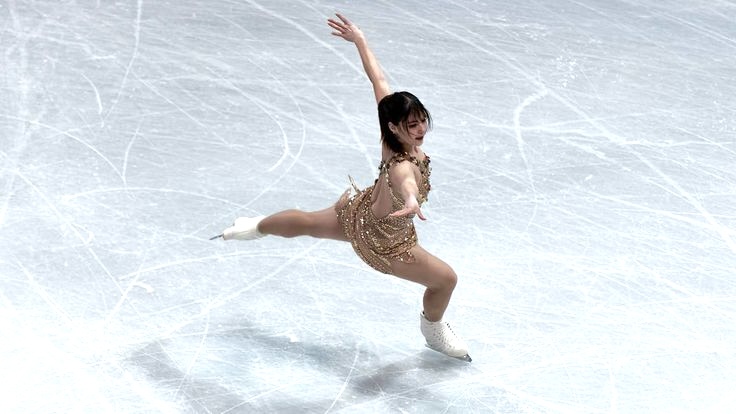
January 08, 2026
2026 U.S. Skating Nationals Results
Competition highlights, industry trends, expert opinions, and stories from athletes and artists worldwide — delivered straight to your inbox