

 English
 中文 (中国)
 Español


July 29, 2026
5 Skills Named After Olympic Gymnasts
January 14, 2025
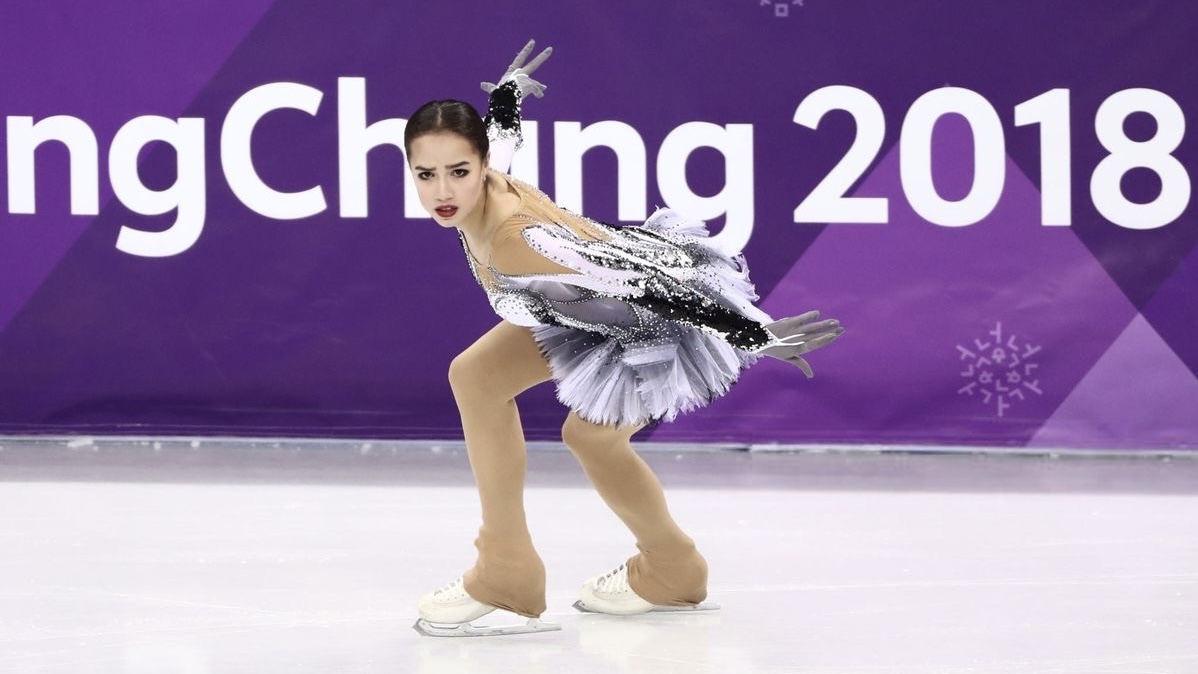
Figure skaters put their bodies through intense training sessions, which often lead to muscle soreness and tension. Foam rollers are a must-have piece of equipment for off-ice recovery and flexibility training. This cylindrical tool aids in myofascial release, helping skaters stay limber and pain-free.
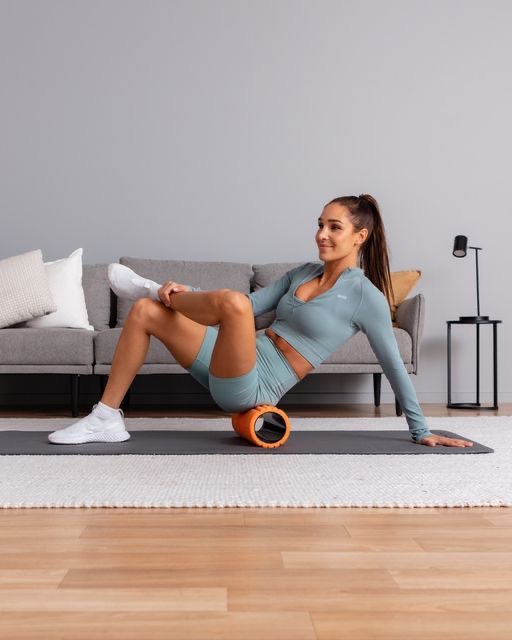
Using a foam roller after a workout helps alleviate muscle tightness by breaking up adhesions in the fascia, the connective tissue surrounding muscles. This not only improves flexibility but also increases blood flow, speeding up recovery time. For skaters, who need to maintain a high level of performance, foam rolling ensures their muscles remain in peak condition.
The versatility of foam rollers extends beyond recovery. They can be used to perform strengthening and balance exercises, targeting areas like the core, glutes, and legs. For instance, doing planks with the forearms on a roller adds an element of instability, challenging the core in a way that mimics the demands of skating. These exercises enhance the functional strength skaters need for powerful jumps and steady landings.
Lightweight and portable, foam rollers are perfect for skaters to carry to the rink or use at home. With regular use, they help prevent injuries, improve flexibility, and promote overall muscle health. Incorporating foam rolling into a training regimen is an excellent way for figure skaters to support their on-ice ambitions and longevity in the sport.
By Vitalina Andrushchenko, Staff Writer
Competition highlights, industry trends, expert opinions, and stories from athletes and artists worldwide — delivered straight to your inbox


